Ice Dams: What Are They and Why Are They Dangerous for Your Berlin Roof
January 16, 2023
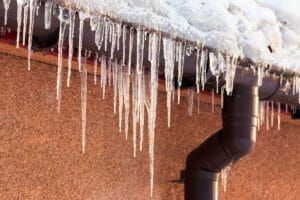
Icicles are usually considered a beautiful staple of winter. But they could point to a severe problem on your roof – ice dams! Ice dams are ridges of ice that form at the edge of your roof and prevent melting snow from draining off. During the winter months, particularly after a massive snowstorm, ice dams can form.
Ice Dam Dangers
Ice dams can cause severe damage to your Berlin home. If left untreated, they can tear off your gutters, loosen shingles, and cause water to back up under those shingles and drain into your home.
Water that cannot drain off properly works under your roof covering and flows into the attic. From there, it can seep through insulation, ceilings, walls, and other areas, causing peeling paint, stained and sagging ceilings, warped floors, and even mold and mildew.
What Causes Ice Dams?
Ice dams form when indoor heating rises through your ceiling into the attic and warms the roof surface. Snow on the heated part of the roof melts and flows down until it meets the part of the roof that is below freezing. At that point, the water freezes into an ice dam.
What To Do If You Have An Ice Dam
If you can see icicles weighing down your gutters and snow piling up behind them, especially with leaks in your attic, you may have an ice dam. While prevention is key to avoiding damage, here are some things you can do to mitigate the problem:
- Bring a box fan to your attic and aim it at the underside of the roof, where the water is leaking. The targeted cold air will help stop the water by freezing it in place, avoiding further water damage, mold, and mildew.
- Use a roof rake to pull snow off your roof while standing safely on the ground.
- Fill a pair of pantyhose with ice melt and lay it on the roof, crossing the ice dam and overhanging your gutter. This DIY solution creates a channel for water flows off your roof.
- Never chip away at an ice dam with a chisel or shovel! Not only is it dangerous to get on a ladder in icy conditions, but you could also damage your roof layers.
Long-Term Ice Dam Solutions
As stated above, preventing ice dams is the best way to keep your roof safe in the winter. To prevent ice dams, keep the temperature in your roof and eaves consistent. You can do this by:
- Add or repair flashing around chimneys
- Adding the recommended amount of insulation to your attic
- Cover your attic hatch
- Exhaust to the outside through your roof and or walls, never through a soffit
- Seal and insulate ducts
- Ventilate the eaves and ridge
Completing the items listed above will help you to enjoy an ice-dam-free winter while saving on energy costs. Not sure if your home has the right amount of insulation or the proper ventilation? The roofing experts at Artisan Building & Remodeling can help. Schedule a consultation today to get started now before the winter weather worsens too much.
Share this Post
Recent Blog Post