Roof Replacement Cost in Connecticut: What Impacts Pricing This Spring
April 10, 2026
At Artisan Roofing CT, we've helped Connecticut homeowners navigate roof replacements for years. Our licensed contractors have seen firsthand how pricing shifts from season to season and town to town across the state. We created this guide to give you the clear, upfront answers you need before investing in a new roof, so you can plan with confidence and avoid surprises.
If you're wondering what a roof replacement costs in Connecticut right now, the short answer is most homeowners pay between $8,000 and $25,000 depending on roof size, materials, and complexity. Below, we break down every factor that affects that number so you can estimate your own project with accuracy.
Average Roof Replacement Cost in Connecticut
Typical Price Range for Connecticut Homeowners
Most Connecticut homeowners spend between $8,000 and $25,000 on a full roof replacement. A standard 1,500 to 2,000 square foot home with asphalt shingles typically falls in the $10,000 to $16,000 range. Larger homes, steeper roofs, or premium materials like slate or metal push costs toward the higher end and sometimes beyond.
These numbers reflect complete projects that include materials, labor, tear-off of the old roof, and disposal. Your final price depends on several factors we'll cover in detail throughout this guide.
Cost Per Square Foot in CT
Roofing contractors in Connecticut typically price jobs by the "square," which equals 100 square feet of roof area. For asphalt shingles, expect to pay roughly $350 to $600 per square installed. That translates to about $3.50 to $6.00 per square foot.
Metal roofing runs higher at $5.00 to $12.00 per square foot, while slate can reach $15.00 to $30.00 per square foot depending on the type and source. Keep in mind that your roof area is larger than your home's footprint because overhangs, pitch, and dormers all add square footage.
How Connecticut Compares to National Averages
Connecticut's roof replacement costs tend to run 10% to 20% higher than the national average. Several factors drive this difference. The cost of living in the state is above the national median. Building codes and permit requirements are stricter in many Connecticut municipalities. Seasonal weather patterns, including harsh winters and humid summers, also demand higher quality materials and installation standards.
The national average for a roof replacement sits around $9,000 to $15,000. In Connecticut, that range shifts upward because of labor costs, material transportation, and regulatory requirements that don't apply in every state.
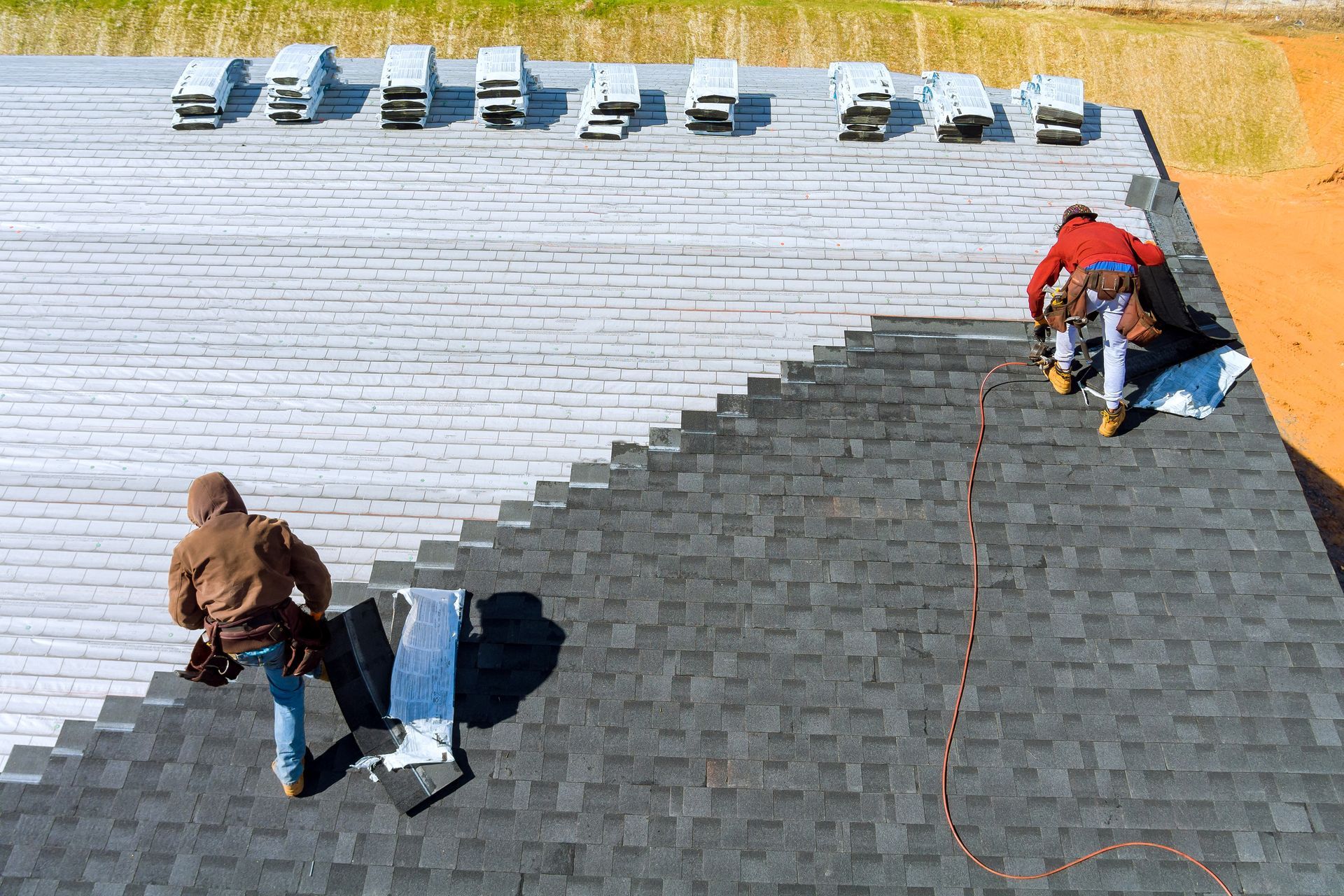
Key Factors That Affect Roof Replacement Cost in CT
Roof Size and Square Footage
Roof size is the single biggest factor in your total cost. A small ranch-style home with 1,200 square feet of roof area will cost significantly less than a 3,000 square foot colonial. Contractors measure your roof in squares, and every additional square adds material and labor costs.
Your roof's square footage isn't the same as your home's living space. A two-story home has a smaller roof footprint than a single-story home with the same square footage. Dormers, additions, and garage roofs all add to the total area that needs coverage.
Roofing Materials and Their Price Differences
The material you choose has a major impact on both upfront cost and long-term value. Here's a general comparison for Connecticut projects:
- Asphalt shingles are the most affordable option at $3.50 to $6.00 per square foot and last 20 to 30 years.
- Metal roofing costs $5.00 to $12.00 per square foot but can last 40 to 70 years with minimal maintenance.
- Cedar shakes range from $6.00 to $10.00 per square foot and offer a distinctive look, though they require more upkeep.
- Slate roofing is the premium choice at $15.00 to $30.00 per square foot, with a lifespan that can exceed 100 years.
Each material also carries different installation requirements, which affect labor costs. Heavier materials like slate may require structural reinforcement, adding to the project total.
Roof Pitch, Complexity, and Design
A steeper roof costs more to replace. Roofs with a pitch above 6:12 require extra safety equipment, more time, and specialized techniques. Contractors factor this into their pricing because steep roofs slow down the work and increase risk.
Complexity matters too. A simple gable roof with few penetrations is straightforward to work on. A roof with multiple valleys, hips, dormers, and skylights takes more time and materials to flash and seal properly. Each of these features adds to both material and labor costs.
Labor Costs in Connecticut
Labor typically accounts for 40% to 60% of your total roof replacement cost. Connecticut's labor rates for skilled roofing work are among the higher rates in the Northeast. Experienced, licensed roofers in the state generally charge more than contractors in lower cost-of-living areas, and for good reason. Connecticut's building codes require precision, and the state's weather demands proper installation to prevent ice dams, wind damage, and moisture intrusion.
The complexity of your roof, accessibility of your property, and time of year all influence labor costs. A crew that can work efficiently on an open, walkable roof will charge less than one navigating steep pitches, tight access, and multiple stories.
Tear-Off vs. Overlay (Roof Replacement Method)
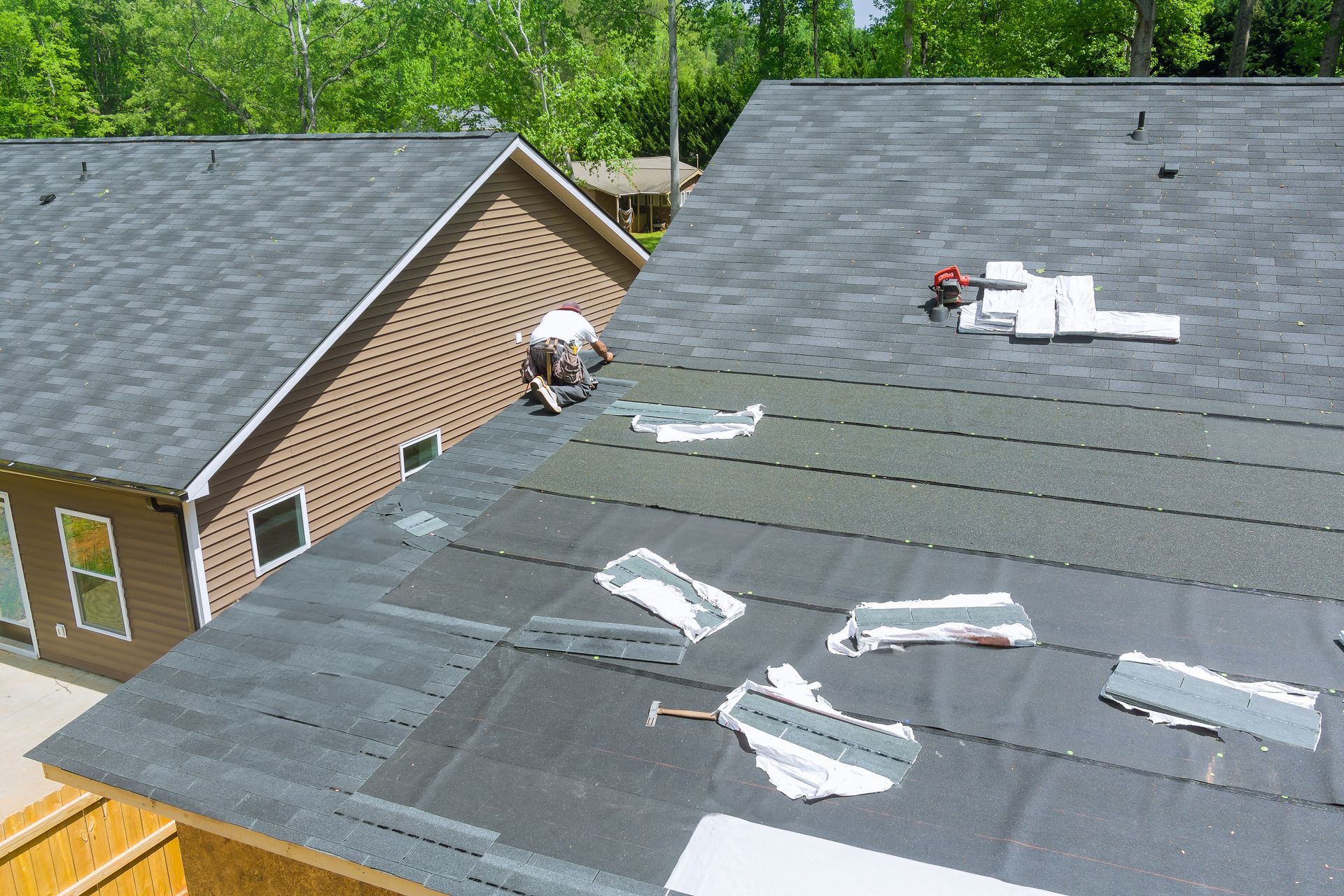
You have two options when replacing an asphalt shingle roof. A full tear-off removes all existing shingles down to the deck before installing new materials. An overlay (also called a re-roof) installs new shingles directly over the old ones.
A tear-off costs more upfront, usually $1,000 to $3,000 extra for removal and disposal. However, it allows contractors to inspect and repair the roof deck, install fresh underlayment, and ensure everything is sealed properly. Most roofing professionals in Connecticut recommend a tear-off for better long-term results.
An overlay is cheaper in the short term but has limitations. Connecticut building codes typically allow only two layers of shingles. An overlay also hides potential deck damage and can void some manufacturer warranties.
Permits, Inspections, and Local Regulations
Connecticut requires building permits for roof replacements in most municipalities. Permit costs vary by town but generally range from $100 to $500. Some towns also require inspections during and after the project.
These requirements add to your timeline and budget, but they exist to protect you. Permitted work must meet current building codes, which means your new roof will be installed to modern standards for wind resistance, fire rating, and structural integrity. A reputable contractor will handle the permit process for you and include these costs in their estimate.
Roof Replacement Cost by Material in Connecticut
Asphalt Shingles (Most Common Option)
Asphalt shingles remain the most popular roofing material in Connecticut, covering roughly 75% of residential roofs in the state. Three-tab shingles are the most budget-friendly option at $3.50 to $4.50 per square foot installed. Architectural (dimensional) shingles cost a bit more at $4.50 to $6.00 per square foot but offer a thicker profile, better wind resistance, and longer warranties.
For a typical 2,000 square foot roof, a full replacement with architectural asphalt shingles runs between $9,000 and $12,000 in most Connecticut markets. Premium designer shingles that mimic the look of slate or wood can push that number higher.
Metal Roofing
Metal roofing has gained popularity in Connecticut for its durability and energy efficiency. Standing seam metal roofs cost $8.00 to $12.00 per square foot, while metal shingle systems run $5.00 to $8.00 per square foot.
A metal roof on a 2,000 square foot home typically costs between $14,000 and $24,000. The higher upfront investment pays off through a lifespan of 40 to 70 years, lower maintenance needs, and better energy performance. Metal roofs also handle Connecticut's snow loads well because snow and ice slide off more easily.
Wood Shakes and Cedar Roofing
Cedar shakes and shingles give Connecticut homes a classic New England look. Expect to pay $6.00 to $10.00 per square foot installed, putting a 2,000 square foot roof in the $12,000 to $20,000 range.
Cedar roofing requires more maintenance than other options. You'll need periodic treatments to prevent moss, mildew, and weathering. Some Connecticut towns have fire code restrictions on wood roofing, so check local regulations before committing to this material.
Slate Roofing
Slate is Connecticut's premium roofing material, and the state has a long history with it. Natural slate costs $15.00 to $30.00 per square foot installed, meaning a 2,000 square foot roof can run $30,000 to $60,000 or more.
The investment makes sense for homeowners planning to stay in their home long-term. Slate roofs routinely last 75 to 150 years when properly installed and maintained. They're also fire-resistant and extremely durable in Connecticut's freeze-thaw cycles. Synthetic slate options offer a similar look at $8.00 to $14.00 per square foot with a lighter weight that doesn't require structural reinforcement.
Flat Roofing Systems (EPDM, TPO, etc.)
Flat or low-slope roofs are common on Connecticut ranch homes, additions, and commercial properties. EPDM (rubber) roofing costs $4.00 to $7.00 per square foot. TPO and PVC membranes run $5.00 to $9.00 per square foot.
These systems require specialized installation techniques different from sloped roofing. Proper drainage is critical in Connecticut's climate, where heavy rain and snowmelt need a clear path off the roof. A flat roof replacement for a typical area runs $5,000 to $15,000 depending on size and material.
Additional Costs to Consider When Replacing Your Roof
Roof Deck Repairs or Replacement
Once the old roofing is removed, contractors may find damaged decking underneath. Rotted or water-damaged plywood needs to be replaced before new roofing goes on. Deck repairs typically add $1.00 to $4.00 per square foot for the affected areas.
Minor repairs involving a few sheets of plywood might add $200 to $500 to your project. Extensive damage requiring large sections of new decking can add $1,000 to $3,000 or more. This is one of the main reasons a full tear-off is recommended. It reveals problems that an overlay would hide.
Underlayment and Ventilation Upgrades
Modern roofing systems use synthetic underlayment instead of traditional felt paper. Upgrading to a premium underlayment adds $0.50 to $1.50 per square foot but provides better moisture protection and longer life.
Proper attic ventilation is also essential in Connecticut. Ridge vents, soffit vents, and balanced airflow prevent ice dams in winter and reduce heat buildup in summer. Adding or upgrading ventilation during a roof replacement typically costs $300 to $1,500 depending on what's needed.
Flashing, Chimneys, and Skylights
Every penetration in your roof, including chimneys, skylights, plumbing vents, and exhaust fans, needs proper flashing to prevent leaks. Replacing chimney flashing costs $200 to $500. Skylight flashing runs $150 to $400 per unit.
If your skylights are aging, many contractors recommend replacing them during the roof project. The labor to remove and reinstall roofing around a skylight is already factored in, so adding a new skylight unit is more cost-effective than doing it separately later.
Disposal and Cleanup Costs
Removing an old roof generates a significant amount of waste. A typical tear-off produces 2 to 4 tons of debris. Disposal costs in Connecticut range from $300 to $800 depending on the material and local dump fees.
Most reputable contractors include disposal and cleanup in their estimates. Confirm this before signing a contract. The crew should use tarps to protect your landscaping and remove all nails and debris using magnetic sweepers after the project wraps up.
Seasonal Pricing Trends: Why Spring Can Impact Roof Costs
Demand and Contractor Availability
Spring is one of the busiest seasons for Connecticut roofers. Homeowners who discovered damage during winter rush to schedule replacements as temperatures warm up. This surge in demand can affect pricing and availability.
Booking your project early in the spring, or scheduling during late winter for a spring start, can help you lock in better pricing and preferred timelines. Waiting until peak season often means longer wait times and less flexibility on scheduling.
Weather Conditions and Project Timelines
Connecticut's spring weather is unpredictable. Rain delays can stretch a two-day project into a week or more. While this doesn't usually change your contracted price, it does affect your timeline and convenience.
Warmer spring temperatures are ideal for asphalt shingle installation because the adhesive strips seal properly in moderate heat. Cold-weather installations can compromise adhesion, which is why many contractors prefer to work between April and November.
Potential Cost Advantages or Delays
Some contractors offer early-season discounts to fill their schedules before the summer rush. Others raise prices as demand increases through May and June. Getting multiple quotes in early spring gives you the best chance to compare pricing before the market tightens.
Material costs can also fluctuate seasonally. Manufacturers sometimes adjust pricing at the start of the year, and supply chain disruptions can cause temporary spikes. Your contractor should be able to advise on current material pricing trends in the Connecticut market.
Signs It's Time to Replace Your Roof
Age of Your Roof
Most asphalt shingle roofs in Connecticut last 20 to 30 years. If your roof is approaching or past that age, it's time to start planning for a replacement even if it looks okay from the ground. Aging materials lose their protective properties gradually, and waiting for a failure can lead to interior water damage and higher emergency repair costs.
Metal, slate, and tile roofs last much longer, but they still require periodic inspections to catch issues early. Check your home records or ask a contractor to assess your roof's remaining useful life.
Visible Damage (Leaks, Missing Shingles, Sagging)
Active leaks, missing or curling shingles, and granule loss in your gutters are all signs your roof is failing. Sagging areas indicate potential structural problems that need immediate attention.
A few missing shingles after a storm might only need a repair. But widespread damage, multiple leak points, or recurring problems usually mean a full replacement is the smarter investment. Repeated repairs on an aging roof often cost more over time than a single replacement. Not sure which route makes sense? Our guide on roof repair vs. replacement can help you decide.
Energy Efficiency Issues
If your heating and cooling bills have been climbing without explanation, your roof could be part of the problem. Poor ventilation, inadequate insulation, and aging roofing materials all reduce energy efficiency.
A new roof with proper ventilation and modern underlayment can improve your home's thermal performance. Some materials, like reflective metal roofing, actively reduce cooling costs in summer by reflecting solar heat away from your home. Depending on the materials you choose, you may also qualify for an energy tax credit.
How to Estimate Your Roof Replacement Cost in CT
Cost Per Square Foot Method
You can get a rough estimate by measuring your roof area and multiplying by the cost per square foot for your chosen material. Start with your home's footprint, then add 10% to 20% to account for roof pitch and overhangs.
For example, a 1,500 square foot footprint with a moderate pitch might have roughly 1,800 square feet of actual roof area. At $5.00 per square foot for architectural shingles, that's a ballpark of $9,000 for materials and installation. Add tear-off, disposal, and any extras for a more complete picture.
Getting Accurate Contractor Quotes
The best way to estimate your cost is to get quotes from three or more licensed Connecticut roofing contractors. Each should visit your property, measure the roof, assess its condition, and provide a detailed written estimate.
Make sure each quote covers the same scope of work so you can compare them accurately. A low quote that excludes tear-off or flashing replacement isn't truly cheaper than a higher quote that includes everything.
What to Expect in a Roofing Estimate
A professional roofing estimate should include the total roof area in squares, material specifications and brand, tear-off and disposal costs, underlayment and flashing details, ventilation work, permit fees, a project timeline, payment terms, and warranty information.
Be cautious of estimates that lack detail or seem significantly lower than others. A thorough, transparent estimate is a sign of a professional contractor who stands behind their work.
Tips to Save Money on Roof Replacement in Connecticut
Choosing the Right Material for Your Budget
The most expensive material isn't always the best choice. Architectural asphalt shingles offer excellent performance and curb appeal at a fraction of the cost of slate or metal. Consider your long-term plans for the home. If you're planning to sell within 10 years, a premium asphalt shingle roof provides great return on investment without the higher price tag of metal or slate.
Timing Your Project Strategically
Scheduling your replacement during the late fall or early spring shoulder seasons can sometimes yield lower prices. Contractors are less busy during these periods and may offer more competitive rates to keep their crews working.
Avoid emergency replacements whenever possible. Planning ahead lets you compare quotes, negotiate terms, and choose the best contractor rather than accepting whoever is available immediately.
Comparing Multiple Quotes
Always get at least three quotes from licensed, insured contractors. Don't automatically choose the cheapest option. Compare the scope of work, materials specified, warranties offered, and the contractor's reputation and experience.
Ask each contractor to explain any significant differences in their pricing. Sometimes a higher quote includes better materials, more thorough preparation, or longer warranty coverage that makes it the better value overall.
Exploring Financing or Insurance Options
Many Connecticut roofing contractors offer financing plans that let you spread the cost over time. Some manufacturers also offer financing through authorized dealers.
If your roof was damaged by a storm, your homeowner's insurance may cover part or all of the replacement. File a claim promptly and have your contractor document the damage. Be aware that insurance typically covers sudden damage from specific events, not gradual wear and tear.
Choosing the Right Roofing Contractor in Connecticut
What to Look for in a Licensed Contractor
Connecticut requires roofing contractors to hold a Home Improvement Contractor (HIC) registration. Verify this through the Connecticut Department of Consumer Protection before hiring anyone. Beyond licensing, look for adequate liability insurance and workers' compensation coverage, manufacturer certifications from brands like GAF, CertainTeed, or Owens Corning, a physical business address in Connecticut, and a strong track record with verifiable customer reviews.
Questions to Ask Before Hiring
Before signing a contract, ask these key questions. How long have you been doing roof replacements in Connecticut? Can you provide references from recent projects in my area? What specific materials will you use, and why? How do you handle unexpected repairs like damaged decking? What warranties do you offer on both materials and labor? Will you pull the necessary permits?
A trustworthy contractor will answer these questions clearly and without hesitation.
Why Local Experience Matters
Connecticut's climate, building codes, and architectural styles create unique roofing challenges. A contractor with deep local experience understands how to detail valleys and flashing for heavy snow loads, which materials perform best in the state's freeze-thaw cycles, local permit requirements in your specific town, and the common issues that affect Connecticut homes.
Local contractors also have established relationships with material suppliers in the region, which can translate to better pricing and faster project timelines. You can see examples of completed work in our recent projects gallery.
Get an Accurate Roof Replacement Estimate in Connecticut
Your roof is one of the most important investments you'll make in your home. Getting the right information upfront helps you plan your budget, choose the best materials, and hire a contractor you can trust.
If you're considering a roof replacement this spring, the best next step is a professional roof inspection. A qualified contractor can assess your roof's current condition, identify any hidden issues, and provide a detailed estimate tailored to your home.
Artisan Roofing CT is here to help Connecticut homeowners make confident roofing decisions.
Contact us today for a free inspection and honest estimate. We'll walk you through your options, explain the costs, and help you find the right solution for your home and budget.
Frequently Asked Questions About Roof Replacement Costs in CT
How much does it cost to replace a roof on a 2,000 sq ft house in Connecticut?
For a 2,000 square foot home with standard architectural asphalt shingles, most Connecticut homeowners pay between $10,000 and $16,000 for a full replacement. That price typically includes materials, labor, tear-off of the old roof, and disposal. Choosing a premium material like metal ($14,000 to $24,000) or slate ($30,000 to $60,000) will raise the total significantly. Factors like roof pitch, the number of penetrations such as chimneys and skylights, and the condition of the underlying deck can also push costs higher or lower within those ranges.
Is it cheaper to replace a roof in winter or spring in Connecticut?
Late winter and early spring often offer the most competitive pricing because contractor demand is lower. Many roofing companies discount projects scheduled during these shoulder months to keep their crews busy before the summer rush. However, cold temperatures below 40 degrees can affect asphalt shingle adhesion, so timing involves a tradeoff between price savings and ideal installation conditions. Scheduling in March or April usually gives you the best of both worlds, with moderate temperatures and rates that haven't peaked yet.
How long does a roof replacement take in Connecticut?
Most residential roof replacements in Connecticut take two to five days, depending on the size of the home, the roofing material, and weather conditions. A straightforward asphalt shingle job on a single-story ranch can often be completed in two days. Larger homes, steeper pitches, or premium materials like slate and metal require more time. Spring rain delays are common and can stretch a project by several days, though this typically doesn't change the contracted price.
Does homeowners insurance cover roof replacement in Connecticut?
Homeowners insurance generally covers roof replacement if the damage was caused by a sudden, covered event like a storm, fallen tree, or hail. It does not cover damage from normal wear and tear, aging, or lack of maintenance. If you believe your roof was damaged by a recent weather event, file a claim as soon as possible and have a licensed contractor document the damage with photos. Your insurer will send an adjuster to assess the scope before approving the claim. Learn more about what roof damage insurance typically covers.
Should I repair my roof or replace it entirely?
A repair makes sense when the damage is limited to a small area, such as a few missing shingles after a storm, and the rest of the roof is in good condition with years of life remaining. A full replacement is the better investment when your roof is over 20 years old, you're dealing with multiple leak points, or repairs keep recurring. As a general rule, if a repair would cost more than 30% of a full replacement, replacing the entire roof usually provides better long-term value. Our guide on roof repair vs. replacement walks through the decision in more detail.
Share this Post
Recent Blog Post