Repair or Replace Your Roof in CT? How Homeowners Decide in Spring
March 10, 2026
If you want the quick answer: most CT homeowners can repair when the damage is small and limited, and replace when problems are widespread, repeating, or tied to age. At Artisan Roofing, we inspect and work on Connecticut roofs every year right after winter, when freeze/thaw cycles, snow load, ice dams, and wind-driven rain leave behind clues. This guide explains how people make the repair vs replace roof CT decision in spring, what warning signs matter most, and how to avoid spending money twice.
Why Spring Is "Decision Season" for Connecticut Roofs
Spring is when roof problems either show themselves, or get worse fast. Snow and ice can hide damage for months. Then spring rain hits, and the weak spots start leaking.
Winter leaves clues behind (snow load, ice dams, freeze-thaw cycles)
Connecticut winters stress a roof in a few specific ways:
- Freeze/thaw cycles: Water gets into tiny gaps, freezes, expands, and opens the gap wider. This can lead to lifted shingles, cracked seal lines, and failing flashing seams.
- Snow load: Heavy snowfall adds weight. Over time, that can loosen fasteners and reveal weak areas in the roof deck.
- Ice dams: When ice builds up at the roof edge, water can back up under shingles. That "trapped moisture" can soak decking, insulation, and drywall before you ever see a stain.
If you've had big icicles or past ice dams, spring is the right time to check edges, eaves, and attic moisture.
Spring weather windows: better temps, but more rain delays
Spring usually brings moderate temperatures, which is helpful for inspections and repairs. But spring can also bring increased precipitation. That matters because:
- Wet days limit safe roof access.
- Ongoing rain can turn a small opening into a bigger moisture problem.
- Humidity can slow drying in attics and insulation after a leak.
If you're deciding whether to repair or replace, spring gives you a clear view, just don't wait until you're chasing active leaks.
Timing advantage: catch issues now before summer storms
Connecticut summer storms can be intense. Wind-driven rain and sudden downpours test every flashing joint and shingle edge. A spring roof inspection helps you fix weak points before storm season, and it gives you time to plan if replacement is the smarter long-term move.
A Fast Spring Roof Check You Can Do Before Calling a Pro
You don't have to climb on the roof to learn something useful. A quick "roof inspection before spring CT" check can point you in the right direction.
From the ground: shingles, granules, moss/algae, sagging rooflines
Walk around your home and look up. Use binoculars if you have them.
Watch for:
- Missing shingles, cracked shingles, curling shingles, or lifted shingles
- Granule loss (bald-looking shingles) or granules in gutters
- Dark streaks, moss/algae, or growth that holds moisture
- A roofline that looks wavy or dipped (possible sagging roof or deck issues)
If you see widespread curling or many missing tabs, that's a bigger signal than one small patch.
Inside the home: attic moisture, stains, moldy smells, daylight leaks
Spring is also the best time to check inside, because moisture shows up quickly.
Look for:
- Water stains on ceiling or walls
- Peeling paint near upper floors
- Attic moisture, damp insulation, or "wet wood" smell
- Musty odors that hint at mold growth
- Daylight shining through roof boards (in some older attics)
Even small stains matter. A "minor roof leak" can become drywall damage and insulation damage fast.
Common trouble zones: flashing, chimneys, vents, skylights, gutters
Most leaks don't start in the middle of a roof field. They start at details:
- Chimney flashing (step flashing, counterflashing)
- Vent flashing and vent pipe boot cracks
- Skylight flashing and perimeter seals
- Roof valleys and roof transitions (where water concentrates)
- Gutters and downspouts that overflow and soak roof edges
Signs Your Roof May Only Need Repairs
A repair makes sense when the roof system is still healthy overall and the problem is limited.
Isolated shingle damage (wind-blown, cracked, missing tabs)
If damage is contained to a small area, often after a storm, repairs can be cost-effective. Examples include:
- A handful of missing shingles
- A small patch of lifted shingles
- Localized cracking after wind and cold
The key word is isolated. One slope failing while the rest looks strong often points to repair.
Minor, localized leaks (often around penetrations or edges)
Many spring leaks come from one weak detail:
- A cracked pipe boot
- A loose flashing edge
- A small gap near the drip edge or eaves
If the leak is recent and the roof deck is still solid, a targeted flashing repair can solve it.
Flashing issues you can fix without redoing the roof system
Flashing is replaceable. If shingles are in decent shape and the leak source is clear, a repair can extend roof life.
Common repair targets:
- Step flashing along walls
- Counterflashing at chimneys
- Headwall/sidewall flashing
- Skylight perimeter seals
Roof is relatively new and performing well overall
If your roof is newer and you're not seeing widespread wear, repairs usually make more sense than replacement. A professional inspection can confirm whether shingles are still sealing well and whether underlayment integrity looks strong.
Signs It May Be Time for Roof Replacement
Sometimes the best money move is replacing now instead of paying for repeated repairs.
Widespread shingle deterioration (curling, cracking, heavy granule loss)
If you're seeing curling shingles across multiple slopes, lots of cracking, or heavy granule loss, the roof surface may be near the end of its useful life. Repairs can patch symptoms, but the underlying wear stays.
Recurring leaks or multiple leak points
One leak can happen on any roof. Recurring leaks or multiple leaks usually mean the system is failing in more than one place.
Common signs you need roof replacement CT homeowners mention:
- Leaks that return after repairs
- New stains showing up in different rooms
- Ongoing
attic moisture or mold in attic
- Repairs that keep expanding in scope
Soft spots, sagging, or suspected roof deck damage
A soft spot in the roof deck is a serious flag. It can point to long-term moisture and reduced structural integrity. If decking is compromised in multiple areas, replacement is often safer and more cost-effective than patching.
Age and "end-of-life" symptoms that make repairs short-lived
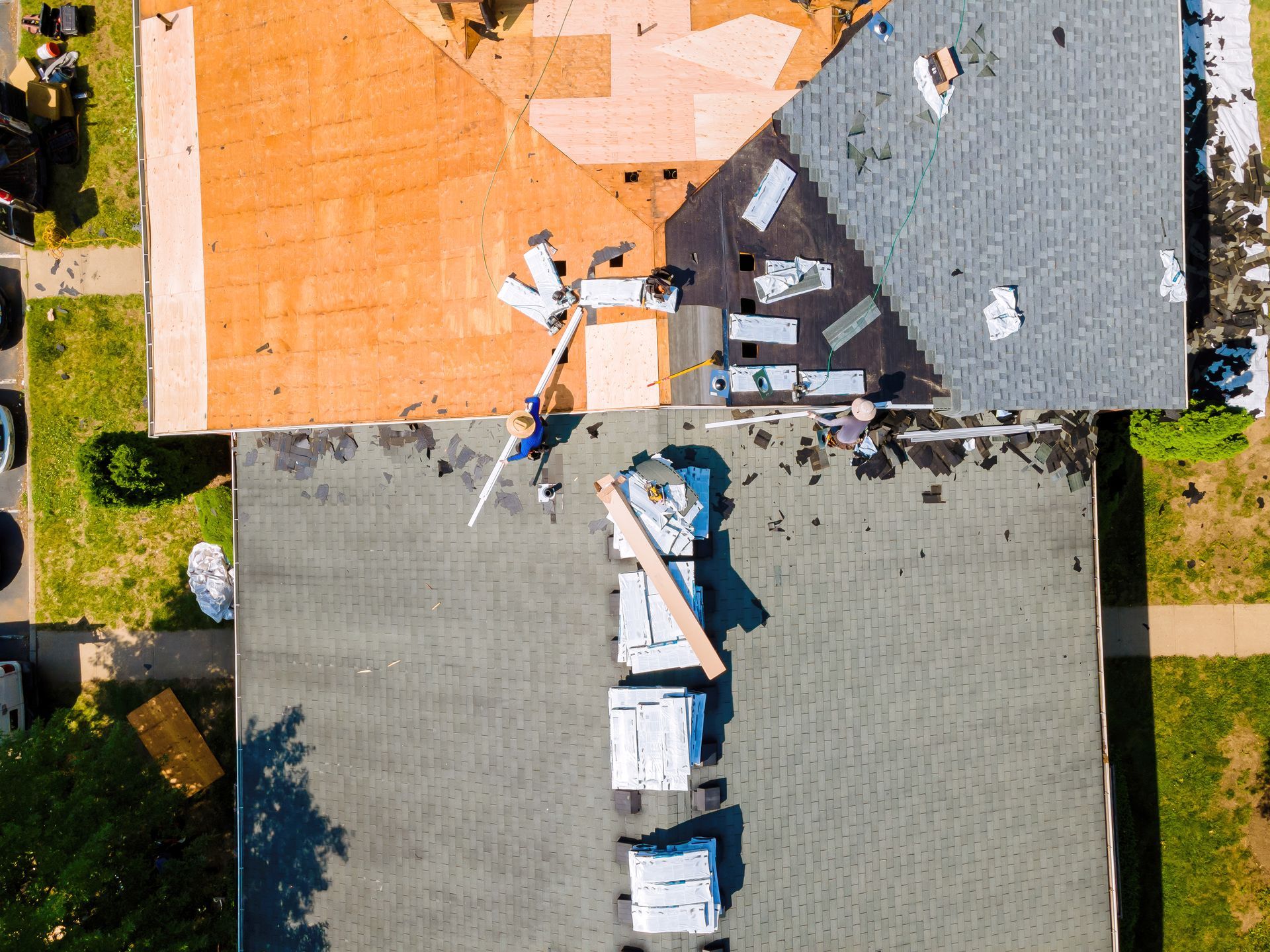
Many asphalt shingle roofs are designed to last roughly 20 to 30 years, depending on ventilation, workmanship, and weather. If your roof is near that range and showing multiple wear signs, replacement planning is smart, especially before a season of storms.
Connecticut Climate Factors That Tip the Scale
CT weather doesn't just "wear" a roof, it stresses it in cycles.
Freeze-thaw stress: lifted shingles, compromised seal lines, hidden cracks
Freeze-thaw can break down shingle adhesion and open up small cracks you can't easily see from the ground. Those weak points often leak during spring's steady rain.
Ice-dam history: what it suggests about ventilation and insulation
Ice dams often point to a heat and airflow problem:
- Warm air leaks into the attic
- Insulation gaps let heat rise
- Ventilation is blocked (soffit vents, ridge vents)
If ice dams were frequent, you may need more than roofing repairs. You may need a ventilation assessment and insulation fixes to prevent repeat damage.
Moisture cycles: spring humidity + leftover winter damage = faster rot risk
Spring humidity plus winter-soaked materials can keep wood damp longer. That raises the chance of:
- Mold growth
- Rotten decking
- Damaged insulation
- Ceiling stains that spread
Replacing a Roof in Spring: Pros, Cons, and Planning Tips
Homeowners often ask about the best time to replace a roof (spring vs fall). Both can work. Spring has advantages, but it comes with planning needs.
Spring advantages: post-winter assessments, workable temps, longer daylight
Spring replacement is popular because:
- Winter damage is fresh and easier to spot
- Temperatures are usually mild
- Longer days help crews work efficiently
- You're preparing before summer storms
Also, shingles tend to seal better as temperatures rise, supporting good shingle activation over time.
Spring drawbacks: wet decking risks, muddy access, scheduling disruptions
Spring can bring:
- Rain delays
- Wet ground and landscaping concerns
- Humidity impact on drying if decking is damp
A good contractor will protect the home during weather changes and avoid trapping moisture.
Contractor availability: how spring demand can affect timelines
Spring is busy. If you're leaning toward replacement, earlier planning helps with scheduling lead times and material availability.
Materials & installation considerations (asphalt vs metal vs specialty systems)
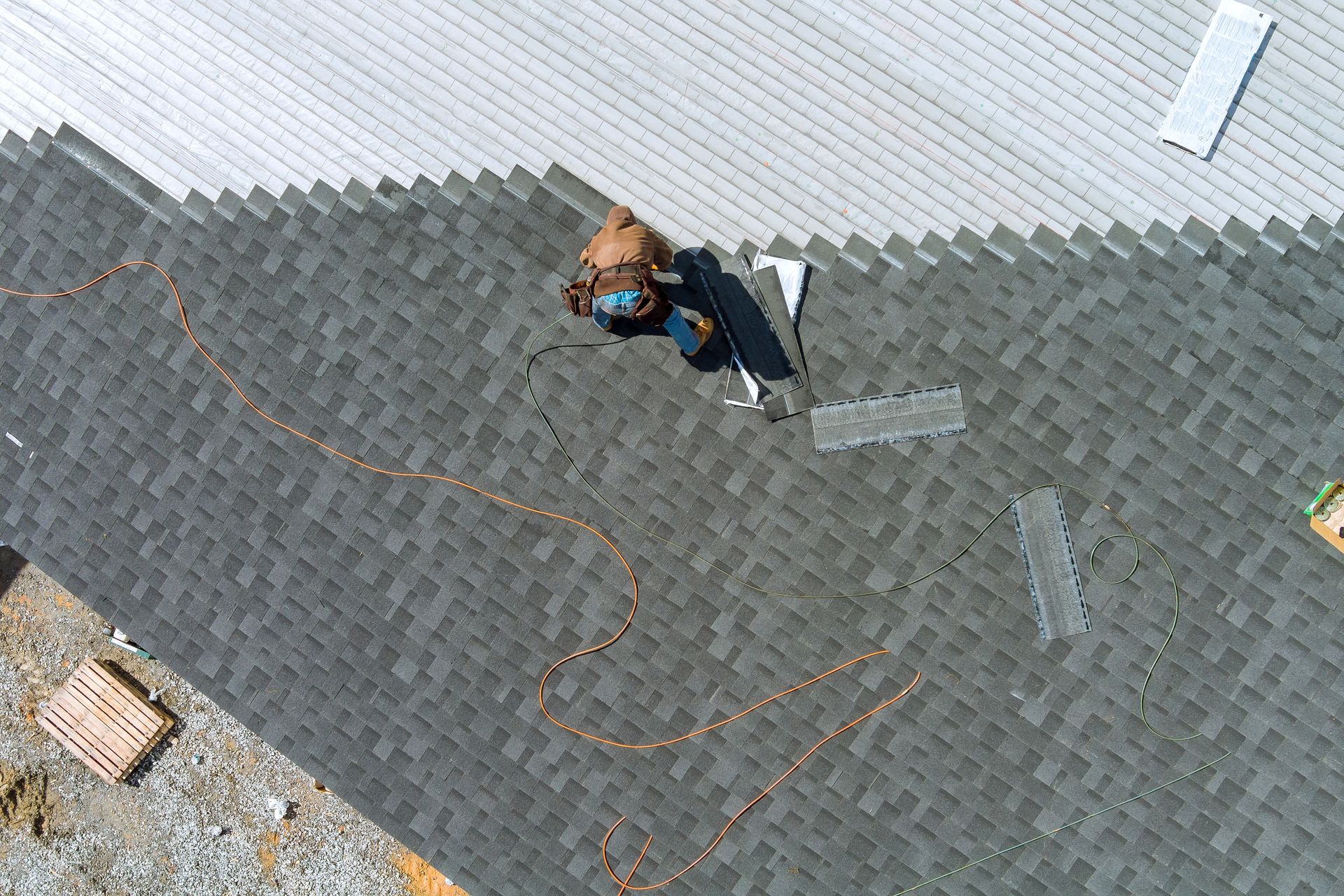
Material choice affects how your roof handles CT weather. Asphalt is common and cost-effective. Metal roofing can shed snow well and handle temperature swings. The "right" choice depends on budget, roof shape, and long-term goals.
Cost Considerations: Repair vs Replace
Cost shouldn't be the only factor, but it matters. The goal is to avoid the trap of "cheap now, expensive later."
What drives repair cost (scope, leak source, flashing, underlying damage)
Repair costs rise when:
- The leak source is hard to access (valleys, steep pitch)
- Multiple details are failing (several penetrations)
- There's hidden moisture damage to decking or insulation
What drives replacement cost (size, pitch, layers, materials, ventilation upgrades)
Replacement costs are affected by:
- Roof size and pitch
- Tear-off needs (multiple layers)
- Flashing and underlayment upgrades
- Ventilation improvements
- Permits and inspections
The long-term math: repeated repairs vs a reset with warranty value
Here's a simple comparison table to help you think clearly:
| If this is true… | Repairs often make sense | Replacement often makes sense |
|---|---|---|
| Damage is limited to one area | ✅ | |
| You have one clear leak source | ✅ | |
| Shingles look strong overall | ✅ | |
| Problems keep returning | ✅ | |
| Multiple slopes show wear | ✅ | |
| Decking has soft spots or sagging | ✅ | |
| Roof is near end of lifespan | ✅ |
Insurance and documentation basics (when storm damage is involved)
If storm damage is suspected, documentation helps. Photos, dates, and a professional inspection report can support an insurance claim when coverage applies.
How a Professional Inspection Helps You Decide Confidently
A good inspection shouldn't feel like a sales pitch. It should feel like a clear report.
What a thorough inspection should evaluate (surface, flashing, ventilation, deck)
A professional roof inspection typically includes:
- Shingle condition assessment
- Flashing installation and failure points
- Roof deck evaluation (soft spots, sagging clues)
- Attic moisture and ventilation assessment
- Valleys, transitions, and penetrations
What to request: photos, priority repairs, replacement triggers, budget ranges
Ask for:
- Photos of key problem areas
- What needs fixing now vs later
- Clear replacement "triggers" (what would make replacement the smart call)
- Rough budget ranges so you can plan
Best timing: early spring inspection + after major wind/snow events
Spring is ideal, and after storms is smart. An after-storm check can catch lifted shingles and flashing issues before the next rain.
Putting It All Together: A Simple Decision Framework for Spring
You don't need to guess. Use a practical filter.
When repairs are the smart move (limited damage, strong remaining lifespan)
Repairs are usually right when:
- Damage is isolated
- The roof is still sealing well
- There's no evidence of widespread moisture damage
- You're not stuck in a cycle of repeated fixes
When replacement is the safer investment (system-wide wear or structural risk)
Replacement is usually right when:
- Wear is widespread
- Leaks are recurring or multiplying
- Decking feels compromised
- The roof is nearing end-of-life and repairs won't last
If you're on the fence: next steps to reduce uncertainty (inspection + plan)
If you're unsure, aim for clarity:
- Get an inspection with photos
- Fix urgent leak risks first
- Build a plan for repair now vs replacement soon based on the roof's condition
Next Steps: Protect Your Home Before the Next Season Hits
Spring is the moment to act before summer storms and humidity raise the stakes.
Immediate actions to prevent leaks while you decide (temporary mitigation, monitoring)
If you suspect an issue:
- Watch ceilings and attic areas during rain
- Keep gutters clear so water drains fast
- Remove debris from valleys (safely, from the ground when possible)
- Address obvious flashing gaps or missing shingles quickly
Scheduling guidance: inspection → scope → quote → calendar window
A simple path most homeowners follow:
- Inspection and photos
- Clear scope (repair or replacement)
- Quote and material choices
- Schedule during the best weather window
If you're weighing repair or replace roof CT options this spring, the best next step is a professional inspection that tells you the truth, what's fine, what's urgent, and what can wait. That way you can make a confident decision before the next storm season tests your roof again.
Frequently Asked Questions
Is it ever worth repairing a roof that's 20+ years old?
It depends on what the inspection reveals. Age alone doesn't automatically mean replacement, some 20-year-old roofs in CT are still structurally sound with isolated issues. But if the inspection shows widespread granule loss, multiple weak points, or compromised decking, repairs on an aging roof often become a short-term fix that delays an inevitable replacement. The honest question to ask is: will this repair buy me meaningful years, or am I patching a system that's already failing in several places?
How do I know if my insurance will cover the repair or replacement?
Insurance typically covers damage caused by a sudden, unexpected event, like a wind storm or heavy snow, rather than gradual wear and aging. If you suspect storm damage, the most important things you can do are document it quickly with photos, note the date of the storm, and get a professional inspection report before contacting your insurer. A roofer experienced with CT insurance claims can help you understand what's likely coverable versus what falls under normal maintenance.
What's the risk of doing nothing and monitoring the roof through summer?
The risk is that spring and summer in Connecticut don't give you much of a grace period. What looks like a small stain in April can become soaked insulation, mold growth, and rotted decking by July after a few heavy rainstorms. The damage you can see is almost always smaller than what's already happened underneath. Monitoring makes sense as a short-term measure while you schedule an inspection, not as a substitute for one.
Can I get a roof replacement quote without committing to anything?
Yes. A reputable contractor will provide a full inspection, photos, and a quote with no obligation. What you should expect from a good quote is a clear breakdown of what's driving the cost, tear-off, materials, underlayment, ventilation upgrades, along with any repair alternatives if they're a realistic option. If a contractor pushes for an immediate decision without giving you time to review the scope, that's a red flag.
How long does a roof replacement typically take in Connecticut?
Most residential roof replacements in CT are completed in one to two days under normal conditions. The variables that extend the timeline are roof size and complexity, the number of layers being torn off, whether decking repairs are needed once the old roof is removed, and weather delays, which are more common in spring than other seasons. Your contractor should give you a realistic window upfront and communicate quickly if anything changes once work begins.
Share this Post
Recent Blog Post