Ice Dams in CT: Causes, Fixes, and When to Call Pros
January 14, 2026
If you live in Connecticut, winter can be rough on your roof. Ice dams are one of the most common cold-weather problems we see on local homes, especially after heavy snow followed by a warm-up and a hard freeze. At Artisan Roofing & Remodeling, we spend a lot of time looking at CT roofs in winter conditions, spotting roof leaks, tracing attic heat loss, and helping homeowners choose the safest fix. This guide gives straight answers first, then more detail, so you can protect your home and know when ice dam removal in CT is worth calling in pros.
What Are Ice Dams and Why They Form
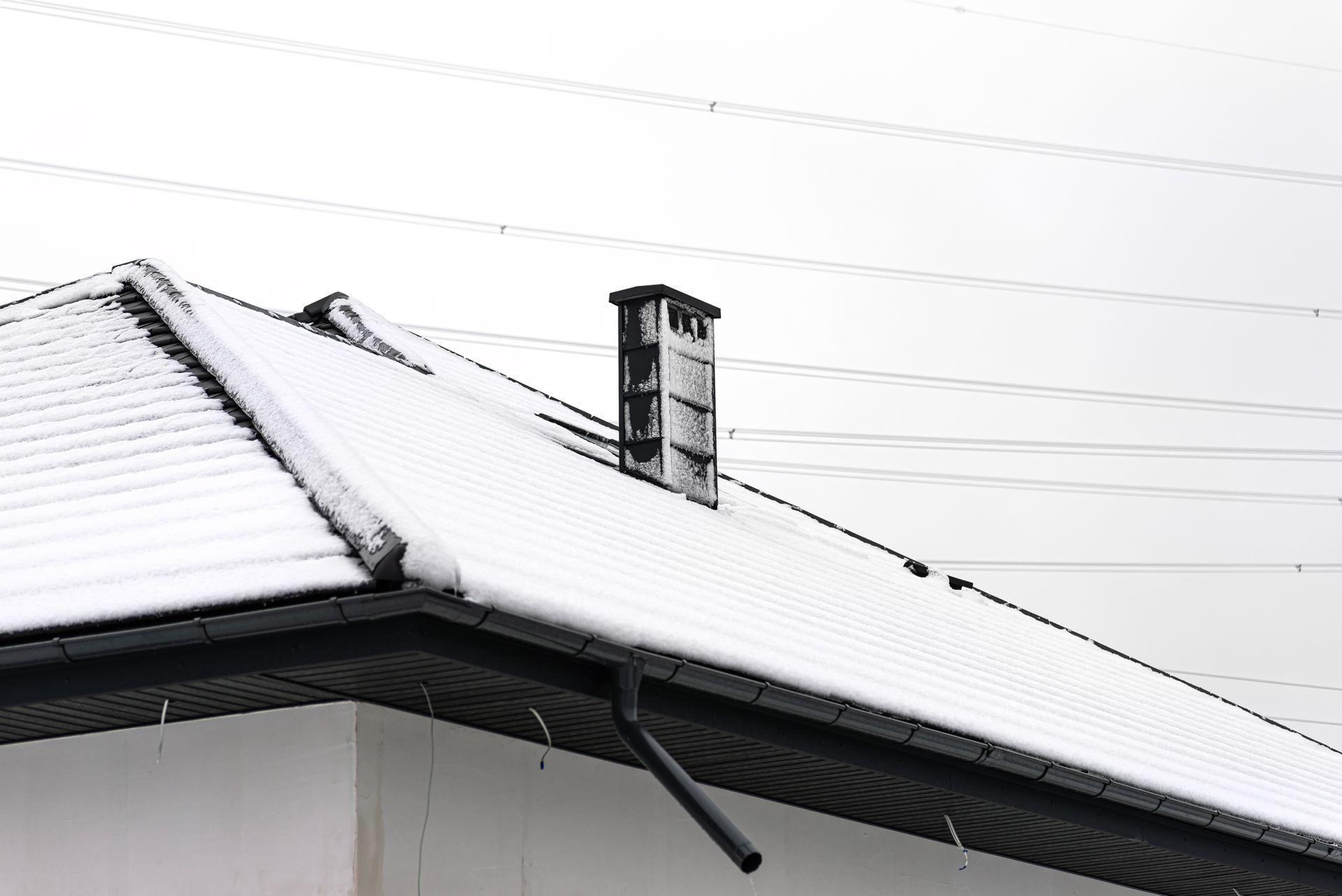
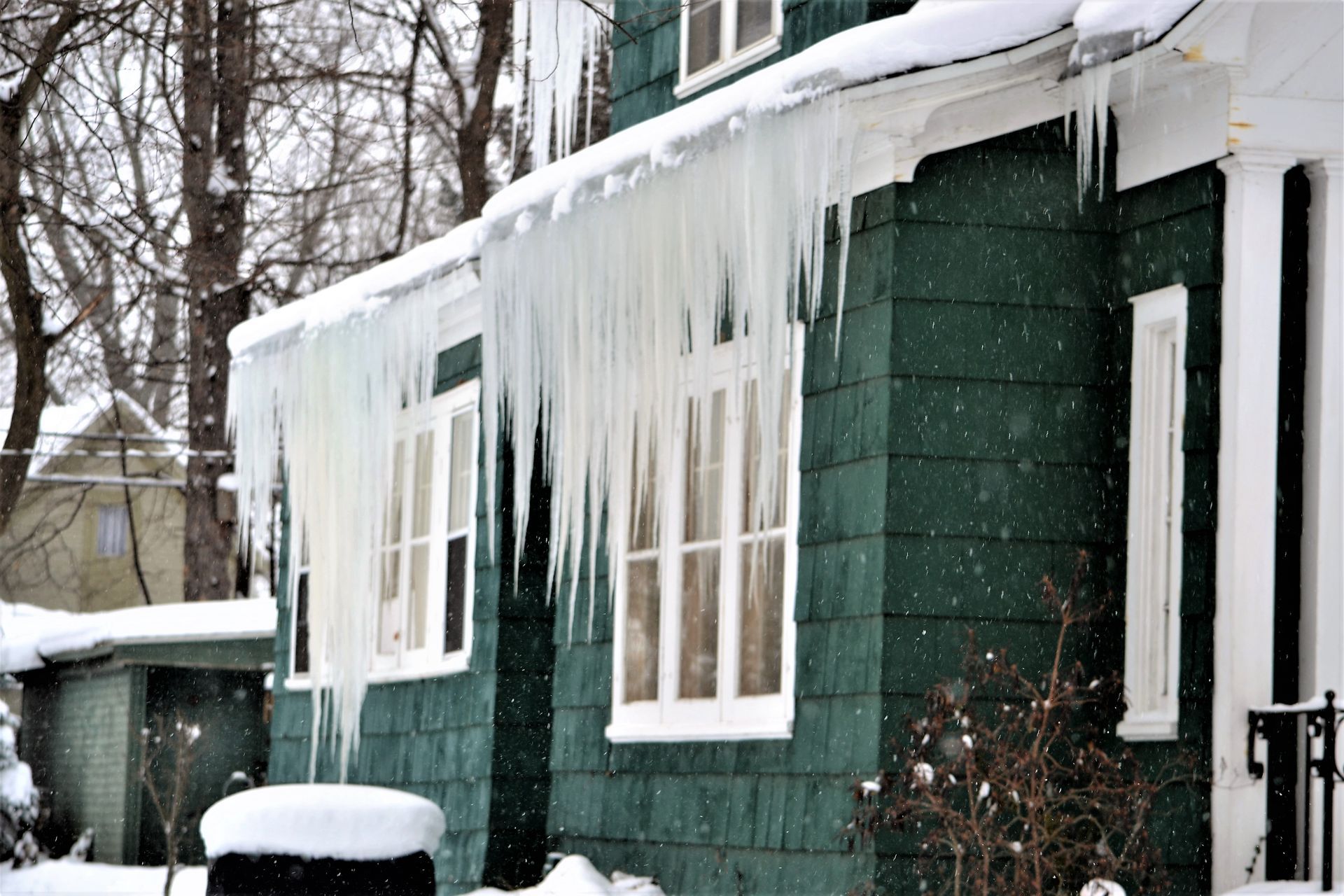
An ice dam is a ridge of ice that builds up along the roof edge (often near the gutters). It blocks melting snow from draining off the roof. That trapped water can back up under shingles and cause a roof leak from an ice dam, even if your shingles are in decent shape.
How Ice Dams Develop on Connecticut Homes
Here's the simple chain reaction:
- Snow piles up on the roof.
- Heat from inside the house warms part of the roof and starts snow melting on the roof.
- Meltwater runs down to the colder roof edge.
- The water refreezes near the eaves and grows into a dam.
- More meltwater gets trapped behind it and can push into the roof system.
This is why you can have roof ice dams even when the outside temperature stays below freezing. The "warm" roof surface is often the real trigger.
The Role of Snow, Heat Loss, and Poor Ventilation
Most ice dam causes come back to one core issue: the roof surface is not staying cold and even.
Common reasons in CT homes:
- Attic heat loss from gaps and cracks (around light fixtures, attic hatches, bath fans, and chimneys)
- Attic insulation issues that allow warm air to reach the roof deck
- Weak or blocked ventilation (soffit vents covered, no ridge vent, or air can't flow)
- Thick snowpack that insulates the roof, letting warm spots develop
If you're searching "ice dam prevention CT," this is the part to focus on long-term: air sealing, insulation, and ventilation.
Common Signs of Ice Dam Problems
The earlier you spot an ice dam, the easier it is to limit damage. Some signs are obvious outside, but others show up indoors first.
Interior and Exterior Warning Signs
Outside signs to watch for:
- Thick ice along the roof edge or in gutters (classic gutter ice damage)
- Large icicles (they don't always mean a problem, but they're a clue)
- Snow that melts in patches while other areas stay covered
- Ice buildup in roof valleys or around dormers
Inside signs to watch for:
- Water stains on ceilings or walls near exterior edges
- Dripping water around windows, skylights, or exterior door frames
- Peeling paint, bubbling drywall, or damp trim
- Musty smells in the attic (moisture trapped over time)
What Happens If Ice Dams Are Ignored
Ice dams aren't just "a little winter annoyance." If meltwater backs up under shingles, you can end up with:
- Hidden water intrusion from the roof that spreads before you see it
- Wet insulation that loses its R-value (and makes the problem worse)
- Mold-friendly moisture in attics and wall cavities
- Rot in roof decking, fascia boards, and soffits
- Interior repairs that cost more than the roof repair
Even one event can cause water damage from ice dams that takes weeks to fully dry out.
Short-Term Fixes for Ice Dams
If you have an ice dam right now, the goal is to reduce the water backup risk safely. You're not trying to "win a fight" with solid ice on a ladder. You're trying to lower the chance of leaks.
Safe Snow and Ice Removal Methods
Safer steps most homeowners can take:
- Use a roof rake from the ground to remove snow from the first few feet above the roof edge
This helps stop new meltwater from feeding the dam. It's also a common first step before roof snow removal becomes a bigger job. - Clear snow in small passes instead of trying to scrape to bare shingles
The goal is less weight and less meltwater, not damaging the roof surface. - If you already have a backup and you're seeing dripping, consider "calcium chloride socks"
You can fill a fabric tube (like a pantyhose leg) with calcium chloride and place it vertically across the dam to create a drainage path. Use calcium chloride (not rock salt), and keep it away from landscaping and metal surfaces as much as possible.
If your home has steep slopes, multiple stories, or heavy ice, it's smarter to call a crew that offers emergency roof repair in CT. Safety comes first.
Why You Should Avoid DIY Chipping or Salting
Avoid these common mistakes:
- Chipping ice with a hammer or shovel
It's easy to crack shingles, break gutters, damage flashing, or hurt yourself. Those chips can also dent siding and windows on the way down. - Using rock salt
Rock salt can damage roofing materials and metal, and it can kill plants when it washes off. It also doesn't solve the core problem. - Climbing onto an icy roof
This is one of the highest-risk winter tasks around a home. A slip can be life-changing.
If you're at the point where the only "DIY option" feels dangerous, that's your sign to stop and call for professional ice dam repair services.
Long-Term Ice Dam Prevention Strategies
Quick fixes help in the moment. Prevention keeps the problem from coming back every storm. In most CT homes, the best long-term solution is making the roof surface colder and more consistent.
Improving Attic Insulation and Air Sealing
This is the big one. If warm air leaks into the attic, it warms the roof deck from below.
Key areas to seal and improve:
- Attic hatch or pull-down stairs (often a major heat leak)
- Bathroom fan ducts (must vent outside, not into the attic)
- Can lights and ceiling penetrations
- Plumbing stacks and wiring holes
- Chimney and flue chases (these can leak a lot of heat)
Then address insulation depth and coverage. Good cold roof insulation helps keep roof temperatures stable. When insulation is uneven, thin spots, gaps, compressed areas, you get hot patches that start snow melt and feed roof ice dams.
If you're researching attic insulation and ventilation CT services, ask for an approach that includes air sealing first. Insulation works best when warm, moist air isn't leaking into it.
Enhancing Roof Ventilation
Ventilation helps keep the roof deck closer to outdoor temperature and reduces moisture buildup.
A good ventilation setup typically includes:
- Intake vents at the soffits (air enters low)
- Exhaust vents near the ridge (air exits high)
- A clear air path from soffit to ridge (baffles can help keep insulation from blocking airflow)
Poor ventilation can trap warm air, raise roof surface temps, and increase ice dam risk, especially after a sunny day followed by a freeze.
Installing Heat Cables or Ice Melt Systems
Heat cables (also called heat tape) can help in certain situations, but they're not a cure-all.
Heat cables may make sense if:
- A roof area is hard to "fix" with insulation and ventilation (some additions or complex rooflines)
- You have a history of repeat ice dams at the same edge or valley
- You need a targeted solution near a problem spot (like a tricky gutter run)
They work by creating a channel for water to drain instead of refreezing. But they use energy, they need correct placement, and they don't replace the real goal: stopping attic heat loss that causes snow melting on the roof in the first place.
When to Call Ice Dam Removal Professionals in CT
Sometimes the right move is getting help fast. A trained crew can remove ice more safely and spot the roof conditions that caused it.
Emergency Situations That Require Immediate Help
Consider calling a pro for ice dam removal CT if you notice:
- Active leaking, dripping, or spreading stains indoors
- Ice that's thick, heavy, and expanding across a long section of eaves
- Large icicles forming quickly (especially above entryways or walkways)
- Sagging gutters or visible separation at the roof edge
- A steep roof, multi-story access, or icy ladder conditions
- Repeat ice dams in the same area each winter (a sign of deeper attic heat loss)
If water is already getting inside, waiting usually costs more. Learn more about how to handle roof damage covered by home insurance.
What to Expect From Professional Ice Dam Services
A solid professional visit is not just "remove ice and leave." It should include:
- A quick evaluation of roof conditions and safety risks
- Controlled removal methods that reduce damage to shingles, gutters, and flashing
- A check for roof edge vulnerabilities and signs of water intrusion from the roof
- Guidance on prevention steps (often involving insulation, air sealing, or ventilation)
- If needed, recommendations for repairs after the area dries out
In many cases, the best outcome is stopping the leak risk now and creating a plan to reduce ice dam risk before the next storm.
Protecting Your Home Year-Round
Winter problems often start months earlier. A little prep goes a long way.
Seasonal Roof Maintenance Tips
Helpful habits for CT homeowners:
- Clean gutters in fall and check downspouts for clogs
Good drainage reduces ice buildup and helps limit gutter ice damage. Learn more about gutter installation options. - Look for loose flashing and shingle wear before winter
Small openings can become big problems once water backs up. Read about common types of roof repairs. - Keep attic vents clear (inside and out)
Blocked soffits or crushed insulation at the edges can raise roof temps. - Watch indoor humidity in winter
High humidity can add moisture to the attic and reduce insulation performance. - After heavy storms, consider roof snow removal CT support if snow loads are extreme or you see early ice formation
It's safer than trying to handle heavy snow from a ladder. Check out our guide on preparing your roof for winter weather.
Partnering With Local Experts for Prevention and Repairs
If ice dams keep coming back, it's usually not "bad luck." It's a building science issue, heat, airflow, and drainage working against you. A local CT pro can help you pinpoint whether the root cause is insulation gaps, ventilation problems, or roof design trouble spots like valleys and dormers.
When you talk to any contractor, look for someone who explains the "why," not just the "what," and who is willing to discuss prevention (not only removal). Here are some important questions to ask a prospective roofer.
Call to Action
If you're dealing with roof ice dams right now, or you want a plan to stop them before the next storm, Artisan Roofing & Remodeling can help you understand what's happening and what to do next. We'll focus on practical, safety-first options, whether that means short-term ice dam removal in CT or long-term fixes like air sealing, insulation, and ventilation improvements.
Frequently Asked Questions About Ice Dams in CT
How do I know if I have an ice dam or just normal winter ice buildup?
Normal ice along gutters is thin and seasonal. An ice dam is a thick ridge of ice at the roof edge that blocks water drainage and causes backups. Key signs include: large icicles that keep reforming, ice visible in gutters and along eaves, water stains appearing on interior ceilings or walls near exterior edges, and leaks that start during warm-ups or thaws. If you see water inside your home during winter, it's likely more than normal ice buildup.
Can I prevent ice dams without removing snow from my roof every storm?
Yes. The most effective prevention focuses on keeping your roof surface cold and consistent. This means improving attic air sealing (stopping warm air leaks), adding proper insulation, and ensuring balanced ventilation from soffit to ridge. When your attic stays cold, snow doesn't melt on the roof and refreeze at the edges. Snow removal helps in the short term, but fixing attic heat loss solves the root cause and prevents ice dams from forming in the first place.
Is it safe to use salt or ice melt products on my roof to get rid of ice dams?
Rock salt can damage roofing materials, gutters, and landscaping below, it's not recommended. Calcium chloride is safer and can be used in "sock" form (a tube of fabric filled with calcium chloride placed vertically across the ice dam to create a drainage channel). However, this is a temporary fix. The safest long-term approach is professional ice dam removal using steam or low-pressure hot water, combined with addressing the insulation and ventilation issues that caused the dam.
Will heat cables prevent ice dams completely?
Heat cables can help manage ice dams in problem areas, but they're not a complete solution. They work by creating a channel for meltwater to drain, which reduces backup risk. However, they use energy continuously, need correct installation, and don't address the root cause, attic heat loss. Heat cables work best as a targeted supplement in areas that are hard to fix with insulation and ventilation alone, like complex rooflines or valleys, not as a replacement for proper attic improvements.
When should I call a professional instead of trying to handle an ice dam myself?
Call a professional immediately if you have active leaking indoors, thick or expanding ice along large sections of your roof, steep slopes or multi-story access, or repeat ice dams every winter. Also call if you're uncomfortable with ladder work in winter conditions, ice dam removal is one of the most dangerous winter tasks. Professionals use safe removal methods (steam systems) that won't damage your roof and can identify the underlying ventilation or insulation problems to prevent future dams.
Share this Post
Recent Blog Post