Why Your CT Attic Is Wet in Winter (And How to Fix It)
February 15, 2026
If you're dealing with attic condensation in CT, you're not alone. At Artisan Roofing & Remodeling, we inspect roofs and attic spaces across Connecticut and see the same winter pattern every year: warm indoor air rises, sneaks into the attic through small gaps, then hits cold surfaces and turns into water. This guide is written from that field experience, so you get clear answers first, then the "why" and "how" behind them.
The Silent Signs of Attic Moisture in Winter
Most homeowners don't notice attic moisture until it's already doing damage. Here are the common "quiet" signs that point to attic moisture buildup.
Water Stains, Mold, and Musty Odors
Look for:
- Yellow/brown stains on ceilings or near attic access points
- Musty smells (especially after a warm-up day)
- Dark specks or patches on wood (early attic mold growth can look like light staining)
If you smell "basement odor" upstairs, that's often a moisture clue.
Frost on Nails or Roof Sheathing
Frost on nail tips or the underside of roof decking is a classic sign of roof deck condensation. It often appears during cold snaps and then "mysteriously" becomes dripping water when temperatures rise.
Damp Insulation or Dripping Rafters
Wet insulation is a big red flag because it stops working well. Once insulation gets damp, it loses performance and can lead to:
- more heat loss
- more condensation
- higher energy bills
- a cycle that repeats each winter
Quick Symptom Check (Helpful vs. Worrisome)
| What you notice | What it often points to | What to do first |
|---|---|---|
| Frost on nails / roof deck | Warm humid air hitting cold surfaces | Air seal attic leaks + check ventilation |
| Wet, matted insulation | Ongoing condensation or a leak | Identify source, dry it out, replace damaged insulation |
| Moldy smell | Repeated moisture | Reduce humidity + air seal + ventilation check |
| Stains after snow/ice | Possible ice dam or leak (could still be condensation) | Inspect roof edges and attic for airflow/insulation gaps |
What Causes Attic Condensation During a CT Winter
Most attic moisture causes come down to two things happening together:
- Warm, moist air gets into the attic
- Cold attic surfaces turn that moisture into water
Warm, Moist Air Escaping from the Living Space
Your home makes humidity every day, from showers, cooking, laundry, and breathing. In winter, windows stay shut, so that moisture builds up indoors. If that air leaks upward, it carries moisture into the attic.
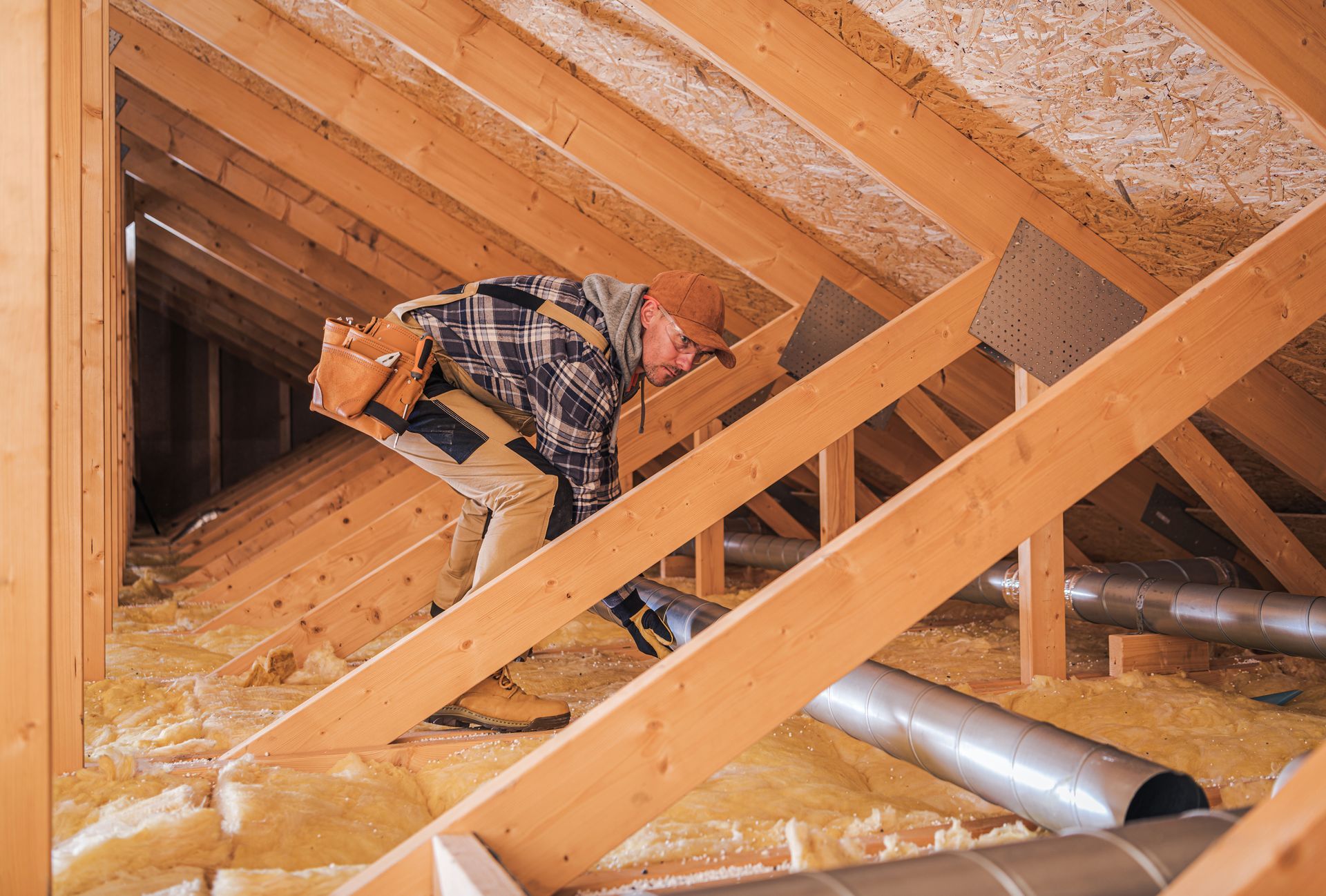
Common attic air leaks include:
- Recessed lights
- Bathroom fan housings
- Plumbing stacks and vent pipes
- Chimney chases
- Attic hatches or pull-down stairs
- Gaps where interior walls meet the attic floor (top plates)
This is why air sealing attic gaps matters so much: it cuts the problem off at the source.
Inadequate Attic Ventilation
Attic ventilation helps remove moisture and keep attic temperatures more stable. When ventilation is weak, moisture lingers.
Watch-outs we see a lot:
- Too little intake at soffits
- Too much exhaust without enough intake
- Ventilation paths blocked by insulation
- Short-circuits in airflow (air exits too soon instead of moving through the attic)
Poor or Missing Air Sealing
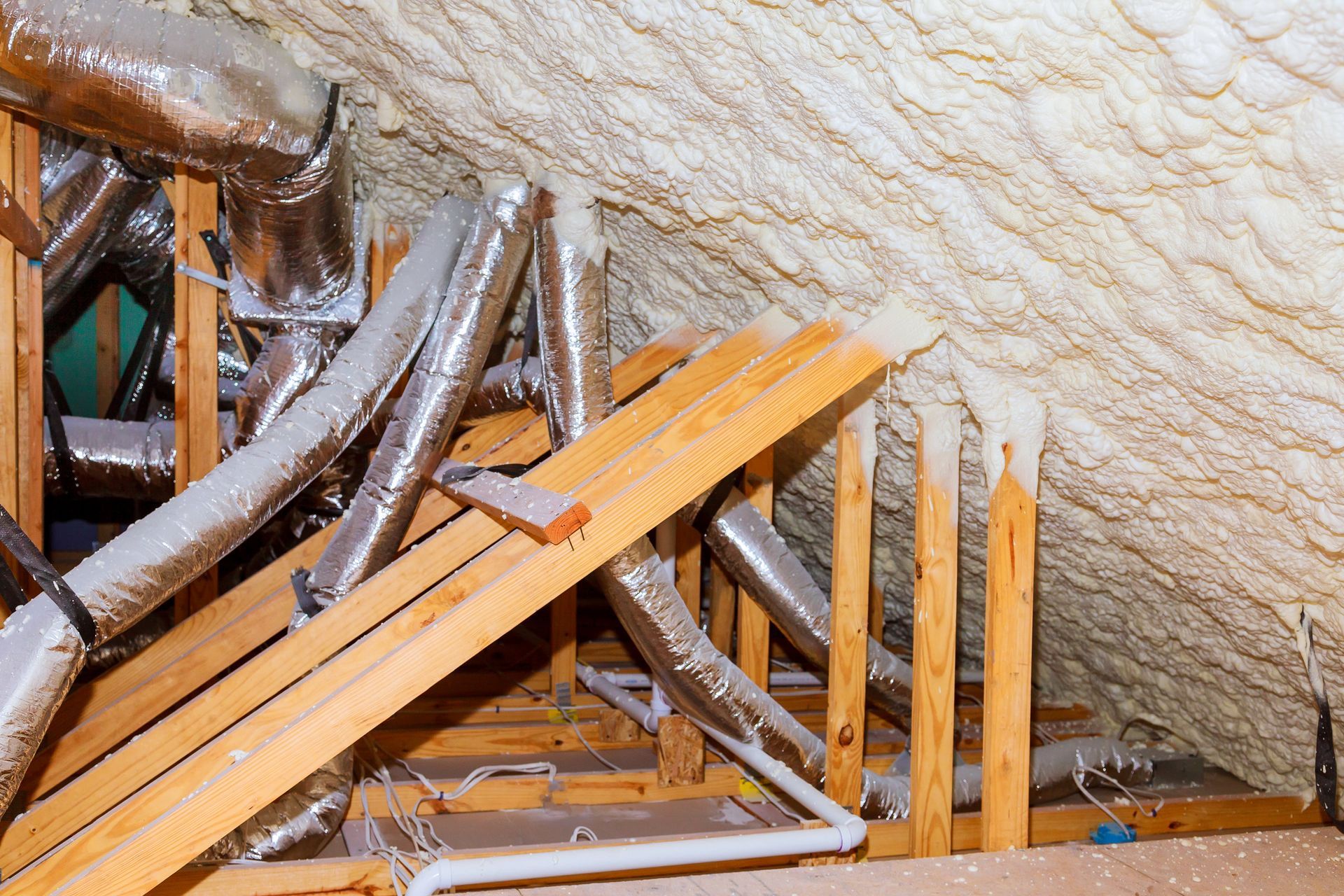
Insulation alone won't stop moisture if air is still leaking. Air can move right through (or around) insulation, carrying humidity with it. Sealing first makes insulation perform like it should.
Unbalanced or Blocked Vent Systems
A healthy attic needs good vent balance: intake low (soffits) and exhaust high (ridge/roof vents). If soffits are blocked, the attic can't "breathe" correctly.
Also, check for:
- Bathroom fans venting into the attic (this dumps moisture directly into cold air)
- Leaky ducts or HVAC venting issues warming the attic in winter
Why Attic Condensation Is a Bigger Problem in Connecticut
Connecticut winters can be tough on homes because temperature swings happen often, and cold air makes roof surfaces very cold.
Climate Factors: Cold Temps and Humid Interiors
A cold roof deck plus warm indoor air is the perfect recipe for condensation. Even a small gap can move a lot of humid air into the attic over time.
Ice Dams and Roof Leaks Confusing the Cause
Ice dams can look like "a roof leak," but they often start because heat escapes into the attic, melts snow, and refreezes at colder edges. That backup can push water under shingles.
Sometimes you have both problems at once:
- condensation inside the attic
- ice dam leaking at the roof edge
That's why diagnosing the cause matters before spending money on the wrong fix.
High-Efficiency Homes Trapping More Moisture
Tighter homes (new windows, better air sealing, fewer drafts) are great, until indoor humidity rises with nowhere to go. Without proper ventilation and humidity control, the attic becomes the "release valve."
How to Prevent and Fix Winter Attic Condensation
If you want results that last, focus on the fixes in a smart order:
- Stop air leaks
- Improve insulation performance
- Make ventilation work correctly
- Control indoor humidity
Air Seal Gaps Around Light Fixtures, Ducts, and Pipes
Air sealing is often the biggest win for attic condensation ct issues.
Key areas to seal:
- Around plumbing vents and stacks
- Around recessed lighting (use safe, rated methods)
- Around attic hatch framing
- Around bathroom fan housings and duct penetrations
- Around chimney chases (use proper fire-safe materials)
This reduces warm air infiltration and humid air intrusion.
Improve Attic Insulation to Reduce Heat Loss
Once air sealing is handled, insulation does its job better. In CT, insulation needs to resist heat loss during long cold stretches.
Common insulation goals:
- Improve coverage (missing spots matter)
- Avoid compression (compressed insulation loses value)
- Replace water-damaged insulation
- Choose the right insulation R-value for the space
An attic insulation upgrade also helps reduce ice dam risk by keeping roof temperatures more even.
Install or Unblock Soffit and Ridge Vents
Think of ventilation like a pathway:
- Air comes in at soffits (intake)
- Air exits at the ridge or roof vents (exhaust)
Helpful checks:
- Are soffit vents actually open (not buried by insulation)?
- Are baffles installed to keep an airway at the eaves?
- Is the ridge vent continuous and properly installed?
Good attic air circulation helps remove moisture before it condenses.
Use a Vapor Barrier Where Necessary
Vapor barriers can help in certain situations, but they're not the first fix for most homes. Many winter attic problems are caused by air leaks, not vapor moving slowly through materials.
A vapor barrier may make sense when:
- the attic design is unusual (finished areas, sloped ceilings)
- moisture keeps happening even after air sealing and ventilation are corrected
If you're unsure, this is where a targeted attic moisture inspection helps.
Consider Mechanical Ventilation in Severe Cases
If indoor humidity stays high, the attic can still see moisture even with better sealing and ventilation.
Simple steps that often help:
- Make sure bath fans vent outdoors (and run them during/after showers)
- Use kitchen ventilation while cooking
- Use a dehumidifier if needed (especially in older homes with damp basements)
- Track humidity with a basic hygrometer (low-cost moisture monitoring tool)
Fix Priority Table (What Usually Works Best First)
| Fix | Why it matters | What it helps prevent |
|---|---|---|
| Air sealing | Stops warm humid air from entering attic | Condensation, mold, ice dams |
| Insulation improvements | Reduces heat loss and cold surface mixing | Roof deck condensation, energy loss |
| Ventilation corrections | Moves moisture out of attic | Persistent dampness, frost cycles |
| Indoor humidity control | Lowers moisture load in the home | Recurring attic moisture buildup |
When to Call a Professional for Attic Moisture Issues
Some cases are DIY-friendly. Others need a trained eye, especially when moisture keeps coming back.
Recurring Moisture or Mold
If it happens every winter, something is still feeding it. The usual culprits are:
- attic air leaks that weren't sealed
- blocked soffits or poor vent balance
- indoor humidity too high
- bathroom fans venting into attic
Signs of Structural Damage or Rot
Call a pro if you see:
- soft or crumbling roof decking
- dark staining that spreads
- sagging areas
- persistent dripping that doesn't match weather events
That can mean long-term moisture exposure and potential structural water damage.
Need for Infrared or Moisture Diagnostic Tools
Some moisture sources are hidden. Pros may use:
- moisture meters to check wood/insulation
- infrared imaging to spot heat loss paths
- ventilation calculations to confirm intake/exhaust needs
This can save money by fixing the real issue, not just the symptom.
Protecting Your Home from Long-Term Damage
Attic moisture isn't just annoying, it can affect health, comfort, and the roof system itself.
Moisture = Mold, Rot, and Insulation Damage
Moisture fuels mold and can rot framing over time. It also ruins insulation performance, wet insulation can't trap air the same way, so your home loses heat faster.
Energy Efficiency Losses and Higher Bills
When warm air leaks into the attic, your heating system works harder. Many homeowners notice:
- cold rooms
- drafty ceilings
- higher winter heating costs
Proactive Maintenance for Peace of Mind
A few habits help reduce winter roof problems:
- Peek into the attic after big cold snaps and warm-ups
- Make sure soffits aren't blocked by insulation
- Confirm bath and kitchen vents exhaust outdoors
- Watch for frost, stains, and musty smells
- Keep indoor humidity under control
For comprehensive guidance on preparing your roof for Connecticut winters, check out our winter roof inspection guide.
Call Us to Fix Your Wet Attic
If you're seeing signs of attic condensation in CT, frost, damp insulation, stains, or musty odors, the best next step is identifying whether it's condensation, an ice dam issue, or a true
roof leak. If you want a clear diagnosis and a plan that fits your home (air sealing, insulation, ventilation, or
roof repairs), Artisan Roofing & Remodeling can help you pinpoint the cause and stop the moisture for good.
Frequently Asked Questions About Attic Condensation
How can I tell if my attic moisture is from condensation or a roof leak?
Condensation typically shows up as frost on nails or widespread dampness on the underside of the roof deck, especially after cold snaps. It's usually symmetrical and appears across large areas. A roof leak, on the other hand, shows up as localized water stains, dripping in specific spots, and often gets worse during or right after rain or snow melt. If you see moisture only during cold weather (not during rain), condensation is the likely culprit.
Is attic condensation an emergency, or can it wait until spring?
While not always an immediate emergency, attic condensation shouldn't wait until spring. Every day it continues, you're risking mold growth, wood rot, and ruined insulation. The damage compounds over time, and what starts as a minor moisture issue can become a major structural problem. Plus, the fixes (air sealing, ventilation) are easier to assess and plan during winter when the problem is actively occurring. Address it now before warm weather hides the symptoms.
Will adding more insulation fix my attic condensation problem?
Not by itself. Adding insulation without first air sealing can actually make condensation worse by trapping more warm, humid air in the attic. The correct order is: air seal first (stop the moisture from getting in), then add or improve insulation (reduce heat loss), then ensure proper ventilation (remove any moisture that does get in). Insulation is part of the solution, but it's not the first step.
My bathroom fan vents into the attic, is that really a big problem?
Yes, this is one of the most common causes of severe attic condensation we see. A bathroom fan can dump gallons of moisture into your attic every week. That humid air hits cold surfaces and immediately condenses. All exhaust fans (bathroom, kitchen, dryer) must vent directly outside through a wall or roof vent, never into the attic space. This is often a quick fix that makes a dramatic difference.
Can I fix attic condensation myself, or do I need a professional?
Simple fixes like improving attic hatch sealing, redirecting a bathroom fan vent, or clearing blocked soffit vents can be DIY projects. However, comprehensive air sealing (especially around chimneys, recessed lights, and complex penetrations), proper ventilation balancing, and assessing whether you have hidden leaks or structural damage usually require professional expertise. If you've tried basic fixes and still see moisture, or if you're seeing mold or rot, it's time to call a pro for a thorough inspection.
Share this Post
Recent Blog Post