What to Do if You Notice a Roof Leak This Winter in CT
December 11, 2025
If you're searching for roof leak repair CT in the middle of winter, you're probably worried and want clear answers fast. Our team at Artisan Building and Remodeling works on Connecticut roofs all winter long. We handle emergency roof leak repair, winter roof inspections, and ice dam roof damage for homeowners across the state. Because we've seen how quickly a small leak can turn into serious attic water damage and mold, we're sharing what we've learned so you know exactly what to do, what to avoid, and when to call a professional you can trust.
If you notice a winter roof leak in CT, catch the water, protect your belongings, take photos and video for insurance, stay off the roof, and contact a local roofing contractor right away for safe, professional help.
Why Roof Leaks Are Common in Connecticut Winters
Connecticut winters are tough on residential roofs. Cold, wind, snow, and thaw cycles all work against your shingles, flashing, and gutters.
Snow, Ice Dams, and Freezing Rain
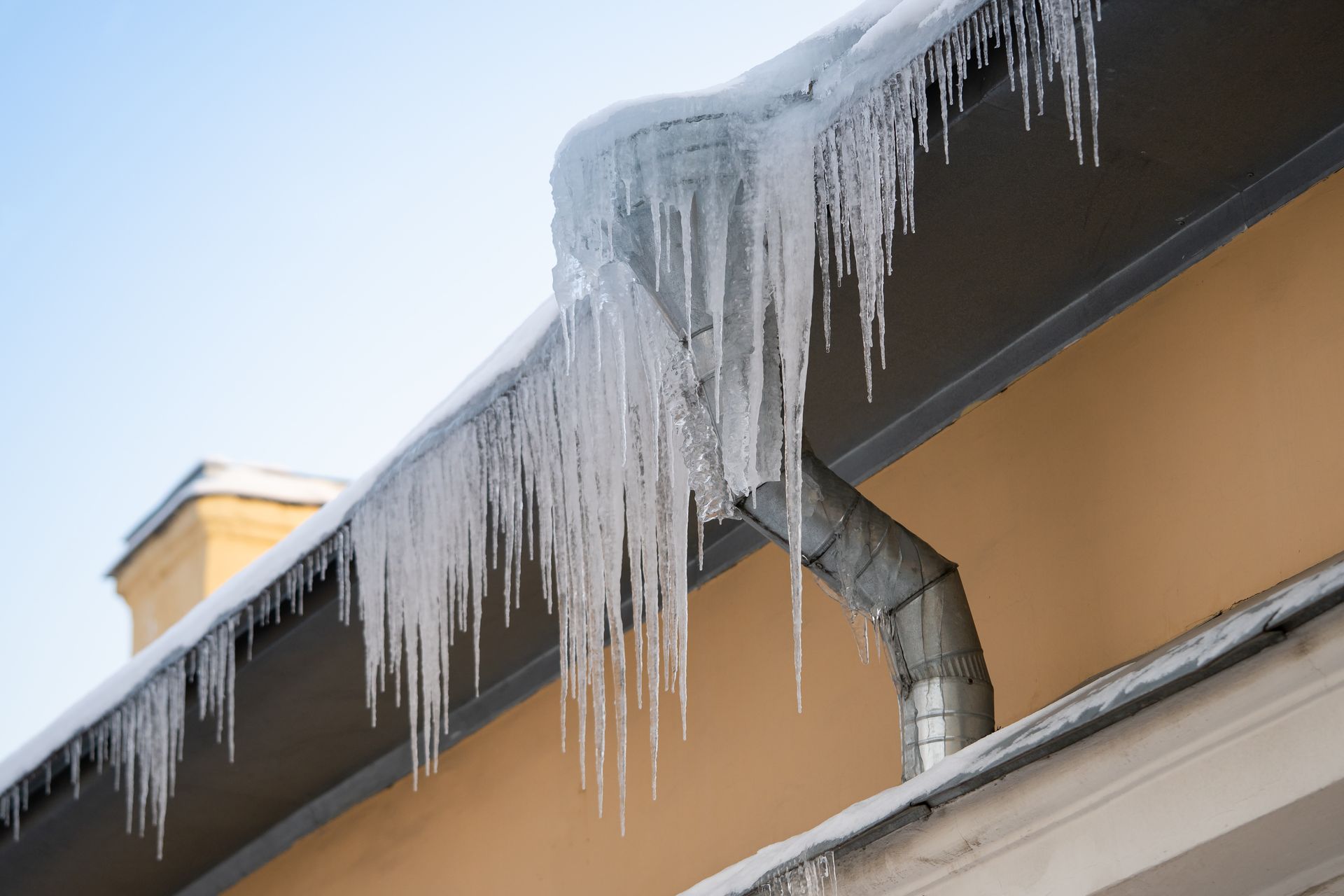
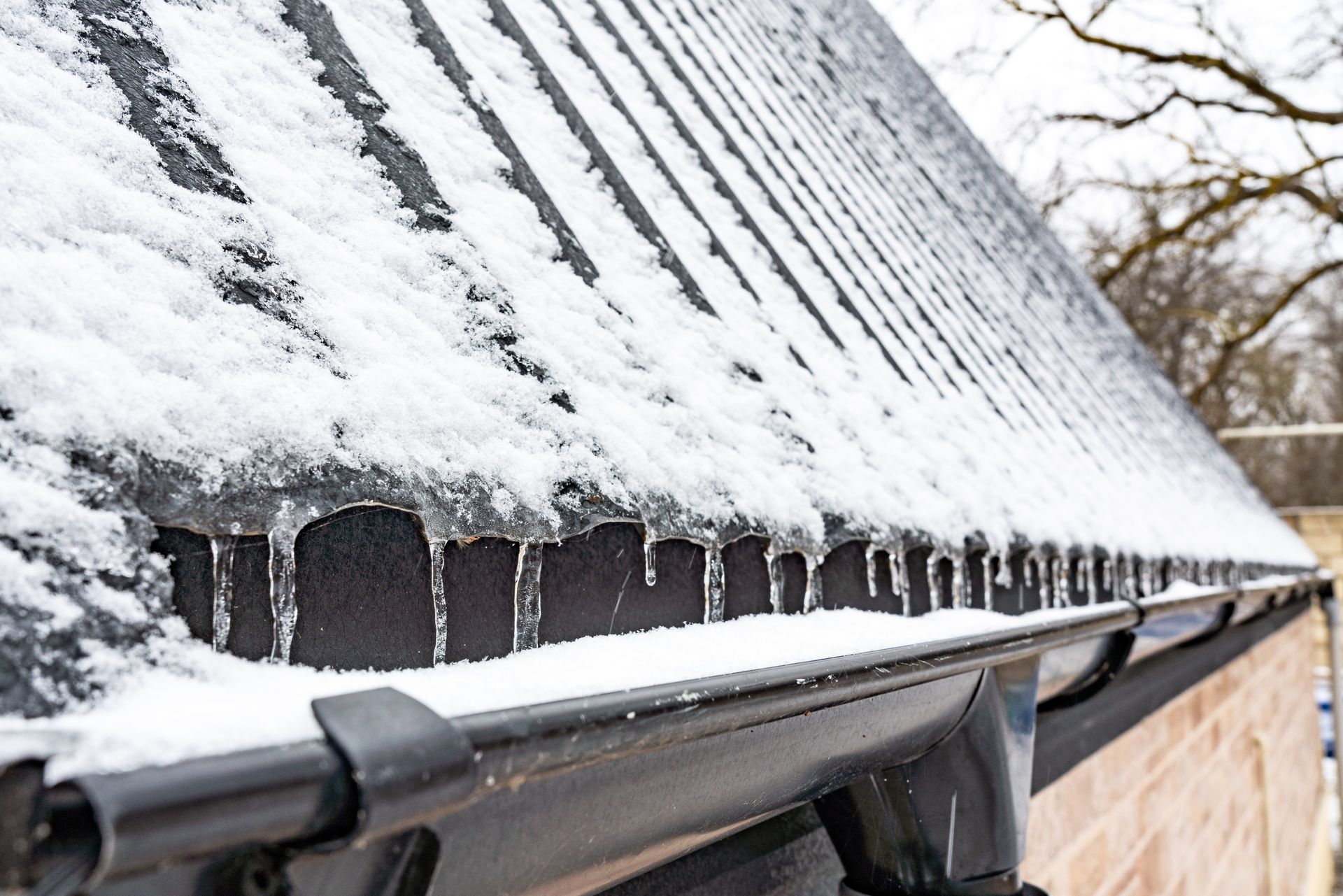
Heavy snow and freezing rain can create ice dams along the edges of your roof. When the snow on the roof melts and refreezes at the eaves, water backs up under the shingles. That trapped water can sneak into your home and cause:
- Water stains on ceilings and walls
- Roof water intrusion around vents and chimneys
- Attic moisture and insulation damage
Freezing rain also makes cold weather roof leaks more likely by sealing water in small cracks and around flashing.
Aging or Compromised Roofing Materials
Older shingles become brittle in freezing temperatures. Wind and snow can:
- Lift or break shingles
- Loosen roof flashing around chimneys, skylights, and vents
- Damage seals around flat roof areas
Once shingles or flashing are damaged, winter storms can quickly turn small problems into bigger roof leak repair needs.
Poor Ventilation or Insulation Issues
When the attic is warm and poorly ventilated, snow melts faster on the roof. That meltwater can refreeze at the edges and create stronger ice dams. Poor insulation and ventilation also trap moisture, leading to:
- Damp insulation
- Mold growth
- Long-term structural damage
Good attic ventilation and insulation are key parts of roof leak prevention and repair CT.
Signs of a Roof Leak You Should Never Ignore
A winter roof leak rarely fixes itself. The sooner you spot the signs, the easier and safer the repair.
Water Stains or Drips on Ceilings and Walls
Brown, yellow, or gray water stains on ceilings or walls are classic signs of roof leak detection issues. You may also see:
- Bubbling paint
- Sagging drywall
- Drips during or right after a storm
Even small stains can point to a bigger hidden problem.
Damp Insulation or Attic Moisture
If it's safe to enter your attic, look for:
- Wet or compacted insulation
- Dark spots on roof decking
- Frost on nails or wood
These are signs of roof water intrusion that needs attention.
Mold Growth or Musty Odors
Mold loves damp, dark spaces. If you notice:
- Musty smells in the attic or upper floors
- Visible mold on wood or insulation
you likely have an ongoing leak or moisture problem that calls for fast leaky roof solutions.
Missing Shingles or Damaged Flashing
From the ground, look for:
- Missing, curled, or cracked shingles
- Loose or bent metal flashing
- Sagging or uneven roof areas
You don't need to climb on the roof to see many of these issues. If anything looks off, schedule a roof inspection Connecticut homeowners can rely on.
Immediate Steps to Take When You Spot a Leak
When you notice a leak, act quickly but safely.
Contain the Water and Protect Belongings
Inside your home:
- Place a bucket or container under the drip
- Put a towel or tarp on the floor
- Move furniture, electronics, and valuables away from the leak
If a ceiling bulges, do not poke it yourself. That can release a large amount of trapped water at once.
Document the Damage for Insurance Purposes
Before you start cleaning up, take:
- Photos and videos of water stains and drips
- Pictures of any damaged items
- Notes on when you first noticed the leak and what the weather was like
This information can help with insurance claims for storm damage roof repair or emergency roof repair.
Inspect Safely (But Don't Climb on the Roof)
You can walk through your home and, if it's safe, your attic to look for signs of leaks. But in winter:
- Roof surfaces are icy and dangerous
- Snow can hide weak spots
- A fall can be severe
Leave roof patching services and climbing on ladders to trained roofing crews.
Contact a CT Roofing Professional Promptly
Call a trusted roofing contractor CT homeowners use for winter roof leak repair and emergency roof leak repair Connecticut. A pro can:
- Find the exact source of the leak
- Make safe temporary repairs if needed
- Plan long-term roof repair services CT to prevent future problems
How Winter Weather Impacts Roof Repairs
Fixing a roof in cold weather is possible, but it takes extra care.
Cold Temperature Challenges for Materials
Some roofing materials don't seal or adhere as well in very low temperatures. A professional will know:
- When shingles can be safely installed
- When special adhesives are needed
- When it's better to use temporary fixes until warmer weather
This helps your shingle damage repair or flat roof leak repair last longer.
Safety Considerations for Roofing Crews
Snow, ice, and wind make roofs slippery and risky. Professional crews use:
- Safety harnesses and fall protection
- Proper ladders and roof brackets
- Winter work practices to stay safe
This is another reason to avoid DIY winter roof work.
Emergency vs. Temporary Repairs
In the middle of winter, your roofer may:
- Make emergency roof repair to stop active leaks
- Install tarps or temporary patches in unsafe conditions
- Schedule full, permanent repairs when the weather allows
The goal is to protect your home right now and plan solid long-term roof leak repair CT solutions.
Preventing Future Winter Roof Leaks
A little prevention before and during winter can save you from major damage.
Schedule a Professional Roof Inspection
A yearly roof inspection Connecticut homeowners schedule in the fall can catch:
- Loose shingles
- Damaged flashing
- Early signs of seasonal roof issues
This is one of the best roof maintenance tips for preventing leaks.
Improve Attic Insulation and Ventilation
Proper insulation and ventilation help:
- Reduce ice dam roof damage
- Keep your roof temperature more even
- Limit moisture and attic water damage
A professional can check your attic and recommend upgrades if needed.
Clear Gutters and Downspouts Regularly
Clogged gutters cause water to back up under shingles and over the roof edge. Before and during winter:
- Clean leaves and debris from gutters
- Make sure downspouts are open and draining away from the house
Clean gutters support effective roof leak prevention and repair CT.
Install Ice and Water Shield if Needed
In problem areas, a roofer may suggest:
- Ice and water shield underlayment along eaves
- Extra protection in valleys and around chimneys or skylights
These materials help protect against winter roof leaks caused by ice dams and heavy snow.
Don't Wait for Spring. Protect Your Home Now
If you notice a leak this winter, don't wait for warmer weather. Roof water intrusion can quickly turn into:
- Mold growth
- Structural damage
- Higher repair costs
Take simple steps right away: contain the water, document the damage, stay safe, and reach out to a trusted roof leak repair CT professional. With timely help and smart prevention, you can get through Connecticut's toughest winter storms with a dry, protected home.
Frequently Asked Questions About Winter Roof Leak Repair in Connecticut
How do I know if my winter roof leak is an emergency?
A winter roof leak is an emergency if you see active dripping, water pooling on ceilings, bulging drywall, or rapidly spreading water stains. These signs indicate significant water intrusion that can cause structural damage, electrical hazards, or mold growth within 24-48 hours. If you notice any of these conditions, contact a roofing professional immediately for emergency repair—even on weekends or holidays. Temporary tarping or patching can prevent thousands of dollars in additional interior damage while you wait for permanent repairs.
Can a roofer actually fix my leak in the middle of winter?
Yes, experienced Connecticut roofers can repair leaks during winter, though the approach depends on weather conditions. In moderately cold weather (above 20-30°F), many repairs can be completed permanently using cold-weather materials. During severe cold, ice, or active storms, roofers will typically make emergency temporary repairs with tarps or specialized patches to stop water intrusion immediately, then schedule permanent repairs when conditions improve. Professional crews have the safety equipment, cold-weather materials, and experience to work safely on winter roofs when DIY attempts would be dangerous.
Will my homeowners insurance cover winter roof leak damage?
Most homeowners insurance policies cover sudden, accidental roof leaks caused by winter storms, ice dams, or wind damage. However, coverage typically excludes damage from long-term neglect or lack of maintenance. This is why documentation is critical—take photos and videos of the leak, note when it started, and document the weather event that caused it. Contact your insurance company promptly and save all repair estimates. If your leak resulted from an older, unmaintained roof, coverage may be denied, making regular roof inspections and preventive maintenance essential.
How can I tell if my roof leak is from an ice dam?
Ice dam leaks typically appear along exterior walls or in the lower areas of your home near the eaves, often after a heavy snowfall followed by melting and refreezing. You may notice icicles hanging from gutters or the roof edge. Unlike leaks from damaged shingles that happen during or right after rain, ice dam leaks often occur hours or even days after a storm as temperatures fluctuate. From outside, look for thick ice buildup along the roof's edge or in gutters. Ice dams are a recurring problem that usually requires both immediate repair and long-term solutions like improved attic insulation and ventilation.
Should I try to remove snow or ice from my roof myself?
No, homeowners should never attempt to remove snow or ice from their roofs in winter. Winter roofs are extremely slippery and dangerous, and falls can result in serious injury or death. Additionally, improper snow or ice removal can damage shingles, flashing, and gutters, creating new leaks. If you're concerned about heavy snow load or ice dams, contact a professional roofing contractor who has proper safety equipment, insurance, and experience with winter roof conditions. They can safely assess the situation and remove snow or ice if necessary without causing additional damage to your roof.
Share this Post
Recent Blog Post