Flat Roof Repair in CT: EPDM vs. TPO in Winter
February 15, 2026
If you're researching flat roof repair, winter is usually the reason. In Connecticut, we see flat and low-slope roofs take a beating from freeze-thaw cycles, snow load, and sudden warm-ups that push water into weak spots. At Artisan Roofing & Remodeling, our crews inspect and repair low-slope roofs throughout CT, and the same questions come up every season: "Is EPDM better in the cold?" "Do TPO seams hold up?" "Can repairs even be done in winter?" This guide gives the quick answers first, then explains what they mean for your roof.
Quick takeaway (CT winter reality):
- EPDM (rubber roofing) is known for staying flexible in cold temps, which can help during freeze-thaw movement.
- TPO is popular for energy efficiency and heat-welded seams, but cold-weather installation details matter a lot.
- Your best choice depends on roof design, existing system, and whether you need a repair now or a planned replacement.
Why Winter Puts Flat Roofs to the Test
Connecticut winter conditions create two big problems: water finds tiny openings, and materials move as temperatures swing. That's why cold weather flat roof performance is not just about the membrane, it's about seams, flashings, drains, and insulation too.
Snow Load, Ice, and Freeze-Thaw Cycles
Flat roofs don't shed snow like steep roofs. When snow sits, it can melt from sun or heat loss, then refreeze at night. Over time, that cycle can lead to:
- Ponding water that pushes into seams and edges
- Ice forming around drains and scuppers
- Stressed flashings where roof meets walls, curbs, and equipment
Even a strong single-ply membrane can struggle if water has nowhere to go.
Moisture Intrusion and Sealing Challenges
Winter leaks often start small and get worse fast. Once moisture gets under the membrane, it can spread and show up far from the entry point.
Common winter leak triggers include:
- Membrane seam failure (splits, lifting edges, weak welds or adhesives)
- Flashing gaps around skylights, HVAC curbs, and parapet walls
- Cracks at transitions from roof to wall
- Clogged drains causing standing water
Sealing can also be tricky in winter because adhesives and sealants may need specific temperatures and dry surfaces to bond well.
The Importance of Choosing the Right Membrane
In a true EPDM vs TPO roofing comparison, the "right" answer is often the membrane that:
- Matches your roof's slope and drainage
- Fits how the building is used (heated, humid, mechanical equipment, foot traffic)
- Can be repaired correctly when problems happen
- Works with your insulation and roof deck
The membrane is the skin, but the roof system is the whole body.
What Is EPDM Roofing?
EPDM is a common EPDM roofing system used on residential low-slope roofs and many commercial flat roof buildings. It's often called "rubber roofing." Learn more about EPDM roofing options for commercial applications.
Material Overview and Composition
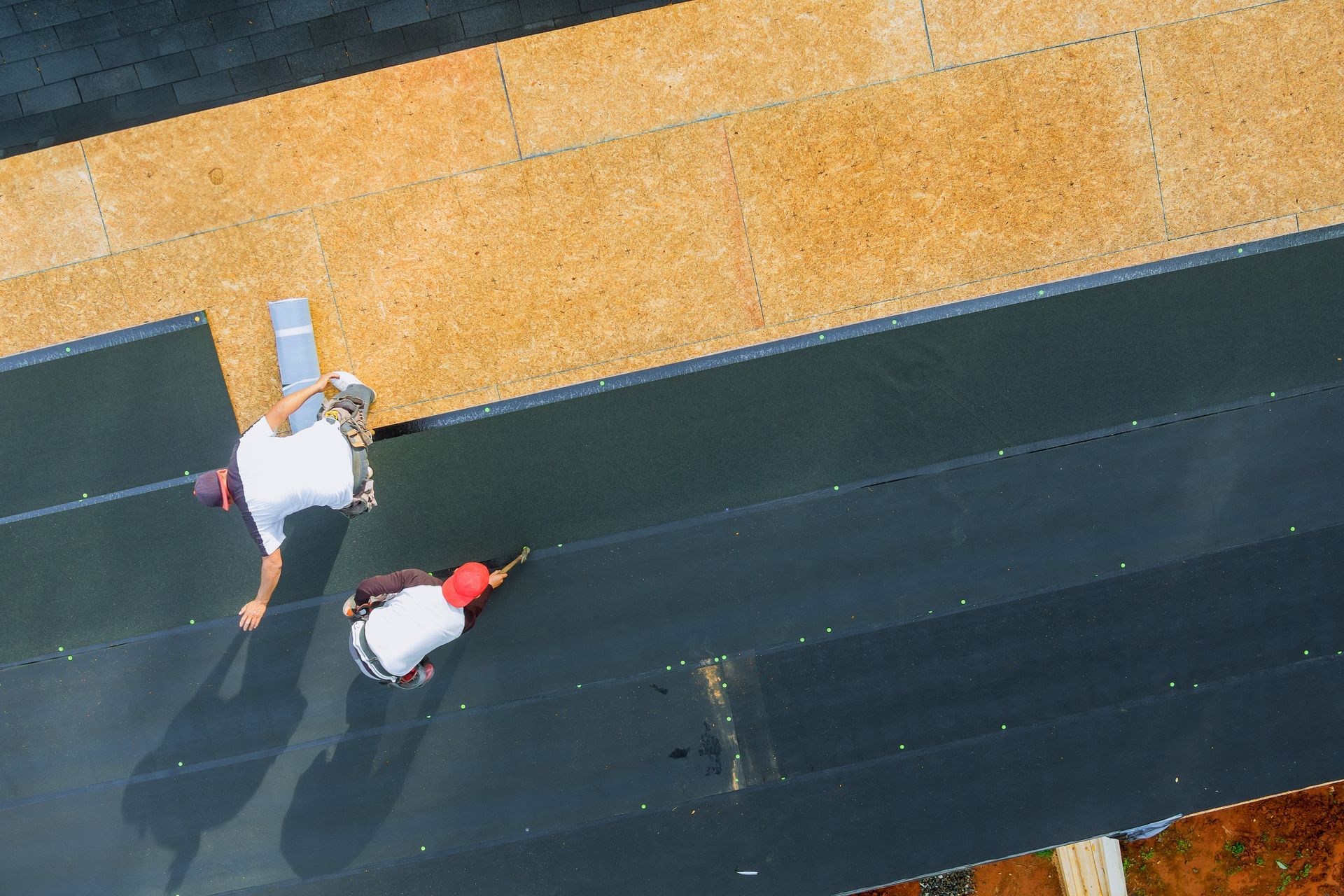
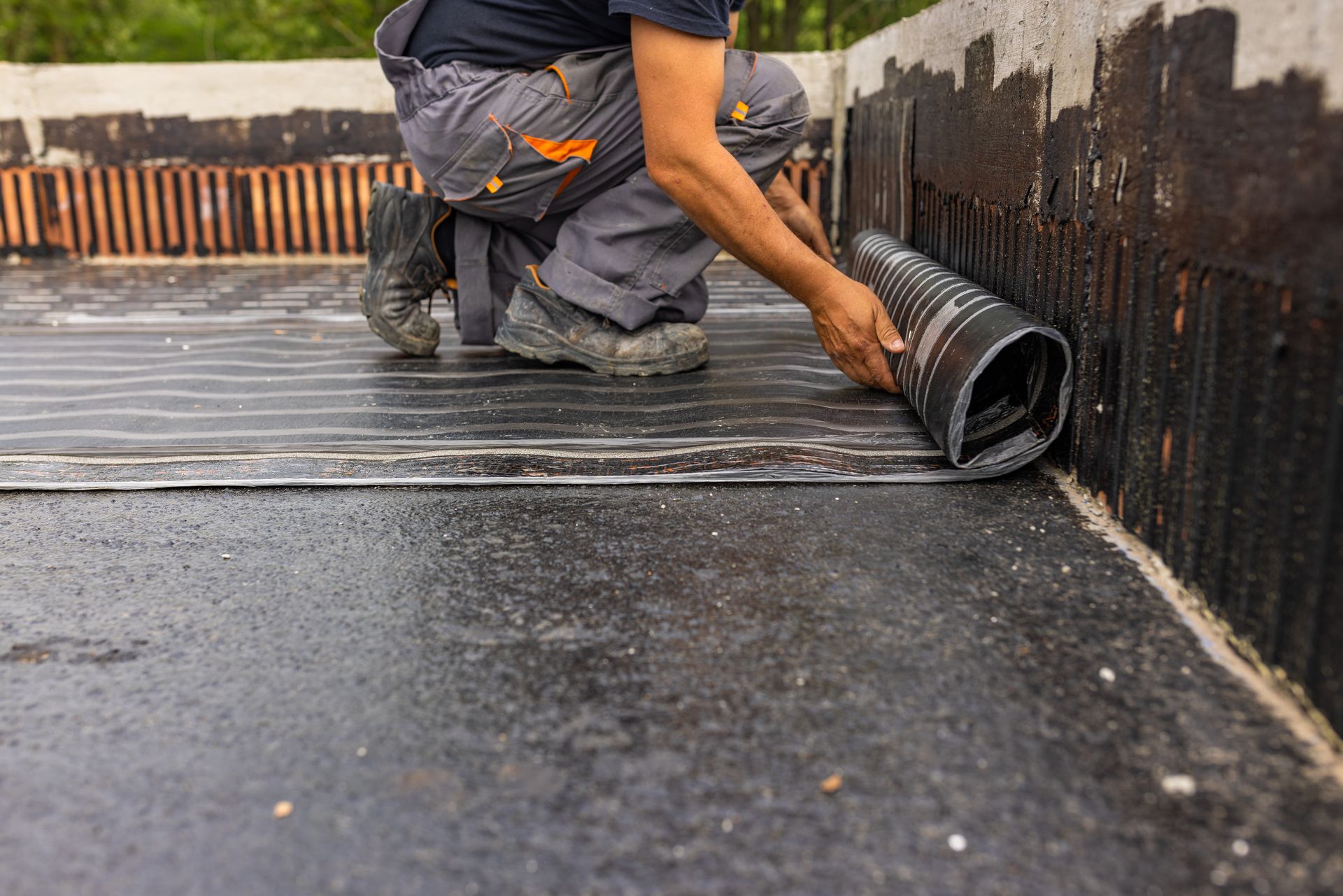
EPDM is a synthetic rubber membrane. It's typically installed in large sheets and attached using adhesive, mechanical fasteners, or ballasted systems (depending on design). Seams are joined with tape or adhesive methods.
People choose EPDM because it's proven, repairable, and handles movement well.
Pros of EPDM in Winter Conditions
In CT winters, EPDM is often liked for a few reasons:
- Flexibility in cold temps: rubber can stay more forgiving when temperatures drop
- Good for movement: helps when the roof expands and contracts (think thermal expansion in roofing)
- Straightforward patching: many leaks can be repaired with proper cleaning and EPDM-compatible materials
- Less glare and less brittle feel in deep cold compared to some plastics
For winter roofing issues, that flexibility can reduce cracking risk at stress points, especially near edges and penetrations.
Limitations of EPDM in Cold Climates
EPDM isn't perfect, especially if details were done poorly:
- Seams rely on proper prep; dirt, moisture, or age can weaken them
- Punctures can happen from tools, foot traffic, or sharp debris
- Ponding water can still find weak areas over time
- Dark EPDM can absorb heat on sunny winter days, which may increase melt/refreeze cycles in certain situations
EPDM can be a great option, but it still needs smart drainage and good flashing.
What Is TPO Roofing?
TPO is a popular TPO roofing system used on low-slope buildings. It's a plastic single-ply membrane known for its bright, reflective surface.
Material Overview and Energy Efficiency
TPO is often chosen as a reflective roofing material, which can help reduce cooling load in warmer months. In CT, that can be a benefit for certain buildings, especially those with large roof areas.
TPO seams are commonly heat-welded, which can create strong seam connections when done correctly.
TPO's Cold Weather Performance
TPO can perform well in winter, but cold-weather handling matters:
- Welding requires the right temperature and technique
- Surface moisture (frost or condensation) can interfere with quality welds
- Repairs may require scheduling around weather windows
When installed and repaired properly, TPO can be a durable waterproof roofing membrane. When rushed in poor conditions, seams and details can become the weak link.
Durability and Maintenance Factors
TPO maintenance often focuses on:
- Checking welded seams at transitions and corners
- Inspecting flashings at parapets and curbs
- Keeping drains clear to prevent ponding
- Watching areas with regular foot traffic
Like EPDM, a lot of "membrane problems" are really drainage or detail problems.
EPDM vs. TPO: Winter Performance Breakdown
Below is a practical winter-focused comparison. This is not about brand wars, it's about what tends to matter when your roof is cold, wet, and moving.
Flexibility and Expansion in Cold Temps
Both systems move with temperature changes, but they behave differently:
- EPDM is known for staying flexible, which can help at stress points
- TPO can be more sensitive to installation conditions, especially around seams and details
If your building has a lot of movement (long spans, temperature swings, expansion joints), flexibility and detailing matter more than the label on the membrane.
Seam Strength and Leak Resistance
Seams are where many flat roof leaks start.
- EPDM seams depend on proper cleaning, primer, and tape/adhesive systems
- TPO seams are heat-welded and can be very strong when welded correctly
In real-world roof membrane performance, seam quality often comes down to workmanship and conditions more than the material itself.
Installation Ease During Cold Months
Winter work is possible, but the approach changes:
- EPDM repairs may be more forgiving for quick patches, depending on surface condition
- TPO repairs may require better weather windows to ensure weld quality
Either way, the roof must be dry and properly prepared. Winter shortcuts are how leaks return.
Longevity and Repairability in Winter
Both systems can last well when maintained. For winter repairability:
- EPDM is often straightforward to patch when the area can be cleaned and dried
- TPO repairs can be excellent, but welding conditions must be right
Here's a simple comparison table homeowners and property managers find helpful:
| Winter factor | EPDM (rubber) | TPO (thermoplastic) |
|---|---|---|
| Cold flexibility | Typically very good | Can be good, depends on product and details |
| Seam method | Tape/adhesive seams | Heat-welded seams |
| Winter repair difficulty | Often simpler for small patches | Great results, but needs proper welding conditions |
| Energy efficiency | Usually darker surface | Often reflective/bright surface |
| Common weak spots | Seams, punctures, flashing details | Weld quality, flashing details, high-stress corners |
How to Choose the Right Material for Your CT Flat Roof
If you're deciding between flat roof membrane options, focus on your building and your goals, not just what's trending.
Building Type and Roof Access
Ask these practical questions:
- Is it a
commercial flat roof with heavy foot traffic or rooftop equipment?
- Is it a residential low-slope roof with limited access?
- Are there lots of penetrations (pipes, skylights, HVAC units) that need reliable flashing?
- Do you have chronic ponding water that needs drainage corrections?
The more complex the roof, the more important professional detailing becomes.
Energy Efficiency Goals
If summer cooling costs are a concern, a reflective membrane may help. But winter performance is also tied to:
- Proper flat roof insulation
- Air sealing and vapor control (especially in humid buildings)
- Drainage that prevents standing water and ice
Energy performance is a full-system issue, not only the top layer.
Budget and Maintenance Expectations
If you want fewer surprises, plan for routine flat roof maintenance:
- Drain and scupper cleaning
- Seasonal inspections
- Early repairs at seams and flashings
- Prompt fixes after storms
Small repairs done early can prevent soaked insulation and larger replacement costs later. For comprehensive guidance, review our commercial roof maintenance services.
When to Repair or Replace a Flat Roof in Winter
Winter doesn't automatically mean "wait until spring." Some issues should be handled right away to prevent bigger damage.
Signs of Cold-Weather Roof Damage
Watch for these common warning signs:
- New interior staining or damp ceiling tiles
- Water pooling that doesn't drain within a day or two
- Loose flashing metal or lifting membrane edges
- Ice forming repeatedly around the same drain area
- Soft spots (can signal wet insulation underneath)
If you suspect trapped moisture, quick action can prevent widespread insulation saturation. Learn more about identifying common roof repair needs.
Emergency Repairs vs. Planned Replacement
A simple rule of thumb:
- If water is actively coming in, you need a controlled repair now.
- If the roof is near the end of life and leaks keep returning, a planned replacement may be the better long-term move.
Sometimes the best winter strategy is a targeted, weather-safe repair now, then a full system plan when conditions improve. For major damage, our emergency roof repair services are available year-round.
Working with a CT Roofing Contractor in Winter
Winter repairs can be successful when the process is careful:
- Safe access and fall protection
- Dry surface preparation (no frost/ice in repair zone)
- Materials chosen for the temperature window
- Details inspected after the repair is complete
A proper winter repair is about controlling conditions, not rushing.
Schedule Your Roof Repair in Connecticut
If you're dealing with a winter leak and searching for flat roof repair in Connecticut, start by identifying whether the issue is seams, flashing, drainage, or saturated insulation. The "right" fix depends on your roof's design and current membrane condition, not just whether it's EPDM or TPO. If you'd like a professional assessment and a clear plan for commercial roof repair or replacement, Artisan Roofing & Remodeling can inspect your low-slope roof and explain the best next step in plain language.
Frequently Asked Questions About Flat Roof Repair in Winter
Can flat roofs be repaired in winter, or do I have to wait until spring?
Yes, flat roofs can definitely be repaired in winter when done correctly. The key is controlling conditions: the surface must be dry and free of frost/ice, temperatures need to be within the material's working range, and proper techniques must be used. EPDM patches can often be done in colder weather with proper surface prep, while TPO heat welding may require specific temperature windows. Emergency repairs shouldn't wait, ongoing leaks can cause exponentially more damage to insulation and decking. A professional contractor knows how to work safely and effectively in winter conditions.
How do I know if my flat roof needs repair or full replacement?
Consider replacement if your roof has: multiple recurring leaks in different areas, widespread membrane deterioration or cracking, saturated insulation throughout (soft spots), age over 20-25 years with frequent repairs, or if repair costs are approaching 30-50% of replacement cost. Consider repair if: the leak is isolated to one area, the membrane is generally in good condition, only specific details (flashing, seams, penetrations) need attention, or the roof is under 15 years old. A professional inspection can assess the full system, not just the surface, nd give you an honest recommendation.
What's the typical lifespan of EPDM vs. TPO roofing in Connecticut's climate?
Both systems can perform well in CT's climate when properly installed and maintained. EPDM typically lasts 20-30+ years, with proven track records going back decades. TPO is newer (1990s) but modern formulations are showing 15-25+ year lifespans with proper maintenance. The real variable isn't the membrane type, it's installation quality, drainage design, and regular maintenance. Poor drainage, improper seam work, or neglected repairs will shorten either system's life. Regular inspections and prompt fixes of small issues are what push both materials toward the upper end of their lifespan range.
Why does ponding water keep appearing on my flat roof?
Ponding water (water that remains 48+ hours after rain) usually indicates drainage issues, not membrane failure. Common causes include: insufficient roof slope (should have at least 1/4" per foot), settled insulation or deck creating low spots, clogged drains or scuppers, compression of insulation over time, or structural sagging. While all flat roofs have some minimal slope designed in, settlement and compression over years can create ponds. Chronic ponding accelerates membrane wear and increases leak risk. Solutions range from improving drainage to adding tapered insulation systems or, in severe cases, structural reinforcement. Don't ignore it, ponding shortens roof life significantly.
Does my building type affect whether I should choose EPDM or TPO?
Absolutely. Building use matters as much as climate. Choose EPDM for: buildings with frequent rooftop foot traffic (easier to patch punctures), structures with significant thermal movement, roofs with complex penetrations, or when budget-conscious repairs are a priority. Choose TPO for: buildings prioritizing energy efficiency (reflective surface cuts cooling costs), clean/food-service environments (bright surface shows contamination), or when maximum seam strength is critical. For multi-family or commercial properties with rooftop HVAC, either can work, but TPO's reflectivity and EPDM's repairability both have merits depending on your priorities. Discuss your specific building use with your contractor for the best fit.
Share this Post
Recent Blog Post