Comparing The Best Commercial Roofing Types
July 22, 2024
Selecting the right roofing system for your commercial property is crucial to ensuring long-term durability, energy efficiency, and overall performance. Artisan Building & Remodeling offers a range of high-quality commercial roofing options, each with unique advantages.
Let’s compare the three primary commercial roofing types we provide: Flat Roofs, EPDM Roofs, and Modified Bitumen. By understanding the benefits and potential drawbacks of each, you can make an informed decision about the best roofing solution for your business.
Flat Roofs
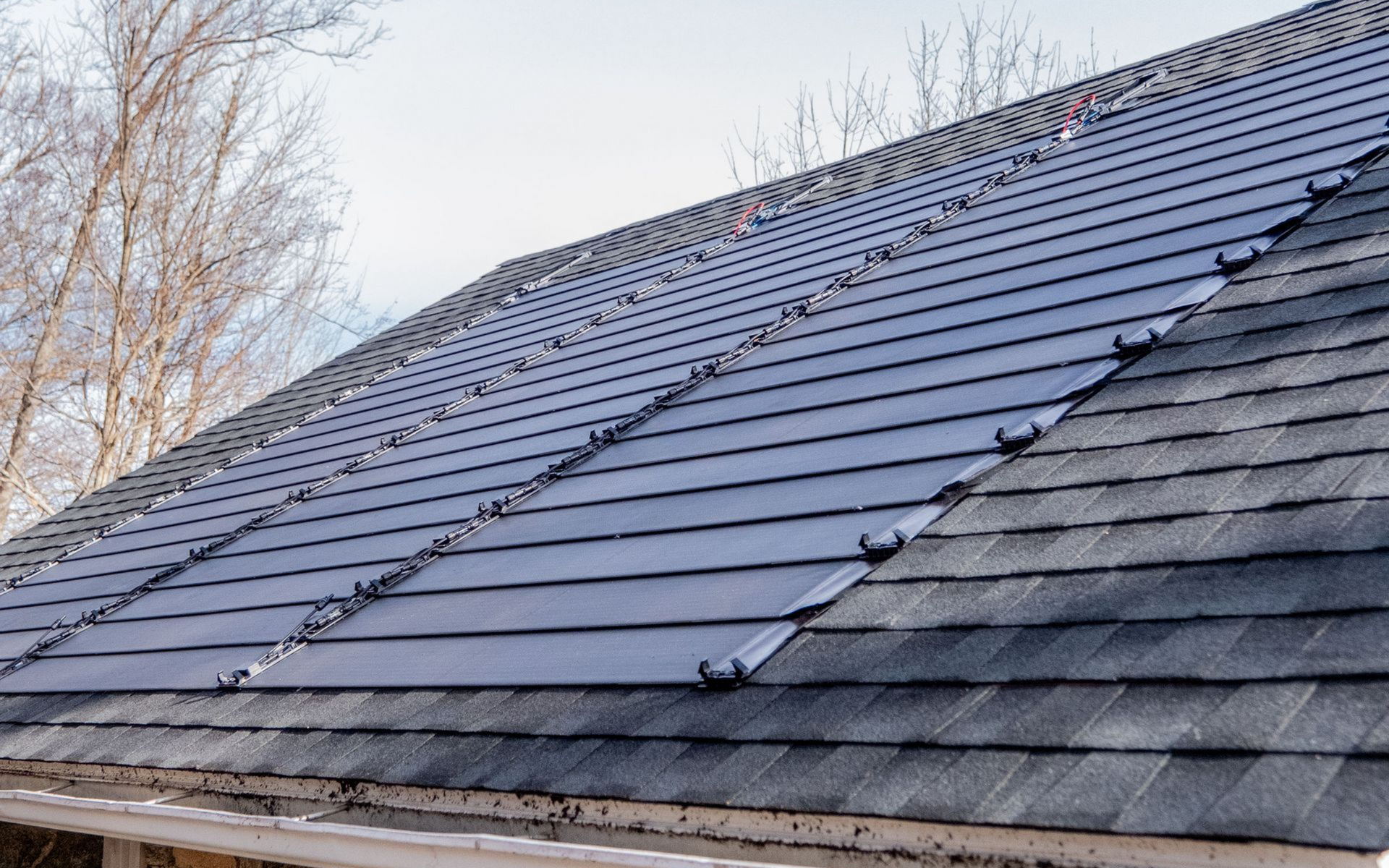
Flat roofs are a prevalent choice for commercial buildings due to their cost-effectiveness and practicality. While they appear flat, they typically have a slight pitch to facilitate water drainage.
Benefits of Flat Roofs
Flat roofs offer cost savings compared to other roofing types. This is because the installation process is very straightforward, helping to reduce labor costs.
The flat surface also provides additional usable space for HVAC units, solar panels, or even rooftop gardens. Plus, maintenance and repairs are easier to perform on flat roofs due to their accessibility.
Drawbacks of Flat Roofs
Despite the slight pitch, flat roofs can still struggle with water drainage, leading to potential ponding issues if not properly maintained. Flat roofs can have a shorter lifespan compared to sloped roofs, especially if not maintained regularly.
Who Are These Roofs Ideal For?
Businesses looking for an economical roofing solution with additional usable space for equipment installations.
EPDM Roofs
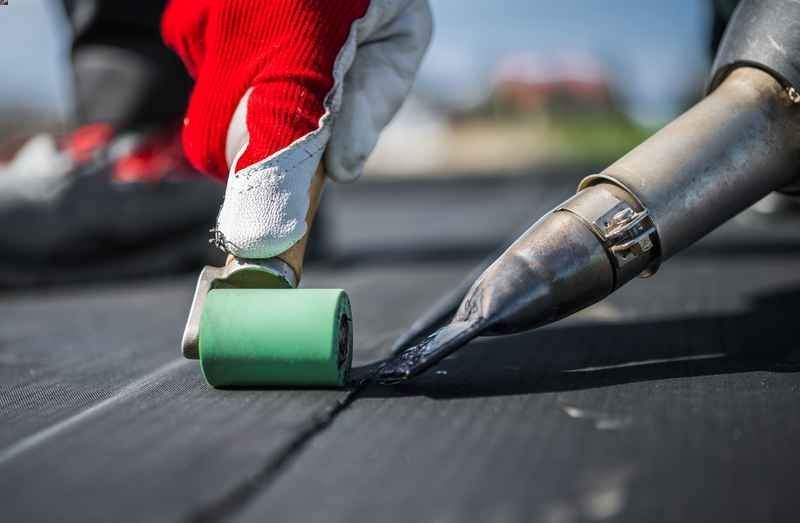
EPDM (ethylene propylene diene terpolymer) roofs are made from a durable synthetic rubber membrane, making them a superior choice for flat and low-slope roofs.
Benefits of EPDM Roofs
EPDM roofs are highly resistant to extreme weather conditions, including UV radiation, hail, and temperature fluctuations. The material and installation costs are relatively low, making EPDM a budget-friendly option for many commercial properties.
The rubber membrane is flexible, allowing it to expand and contract when the temperature changes, reducing the risk of cracks and splits. EPDM roofs also require minimal maintenance, and repairs are straightforward and inexpensive.
Drawbacks of EPDM Roofs
EPDM roofs are typically black, which can absorb heat. However, lighter-colored options are available to mitigate this issue. Although EPDM roofs are quite durable, they can be punctured by sharp objects or heavy foot traffic. Installing protective walkways can help prevent this.
Who Are These Roofs Ideal For?
Businesses seeking a cost-effective, durable roofing solution that can withstand harsher weather conditions with minimal maintenance.
Modified Bitumen
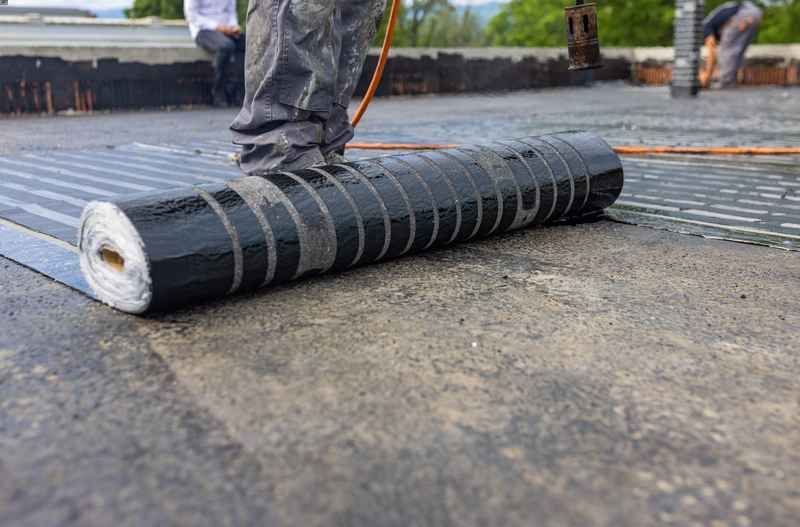
Modified bitumen roofing systems are composed of multiple layers, including a base sheet, modified bitumen membranes, and a protective surfacing layer. This roofing type is designed for low-slope and flat roofs.
Benefits of Modified Bitumen
Modified bitumen roofs are known for their long lifespan and reliability. With the right maintenance plan, they can last for decades. These roofs are also highly resistant to very extreme weather conditions.
Modified bitumen can be applied to a variety of roofing structures and offers multiple installation methods, such as torch-applied, cold-applied, or self-adhered systems. The multiple layers provide extra protection against punctures, tears, and other types of damage.
Drawbacks of Modified Bitumen
Installing modified bitumen roofs can be much more complex and time-consuming, potentially leading to higher labor costs. Plus, regular maintenance is a must to secure the longevity and performance of the roofing system.
Who Are These Roofs Ideal For?
Businesses looking for a durable and long-lasting roof that can withstand severe weather and provide excellent protection for their property.
Choose The Right Roof For Your Business Today!
Choosing the best commercial roofing type for your business involves considering various factors, including budget, building structure, and local weather conditions. Flat roofs, EPDM roofs, and modified bitumen each offer special benefits that are excellent choices depending on your specific needs.
- Flat Roofs are ideal for businesses looking for an economical solution with additional usable space.
- EPDM Roofs provide a durable, flexible, and cost-effective option suitable for various weather conditions.
- Modified Bitumen offers long-lasting durability and excellent weather resistance, making it a very dependable choice for those seeking robust protection.
At Artisan Building & Remodeling, we’re committed to helping you find the perfect roofing solution for your commercial property.
Contact us today to schedule a free estimate and learn more about our top-quality commercial roofing options.
Share this Post
Recent Blog Post