Vinyl vs. Fiberglass Windows: Which Is Better for New England Homes?
September 15, 2026
Quick Answer: For most New England homes, both vinyl and fiberglass windows are strong choices, and the right one comes down to budget and how long you plan to stay. Vinyl costs less upfront, insulates well, and needs little maintenance, which makes it the practical pick for many homeowners. Fiberglass costs more but is stronger, holds its seal better through our freeze-thaw winters, and lasts longer, so it often pays off over the long haul.
At Artisan Building & Remodeling, we have installed replacement windows across Central Connecticut since 2017, and as a certified contractor with an A+ rating from the Better Business Bureau, we help homeowners weigh this exact decision every season. This guide lays out how the two materials really compare in our climate, without the sales pitch, so you can choose what fits your home.
Vinyl and Fiberglass at a Glance
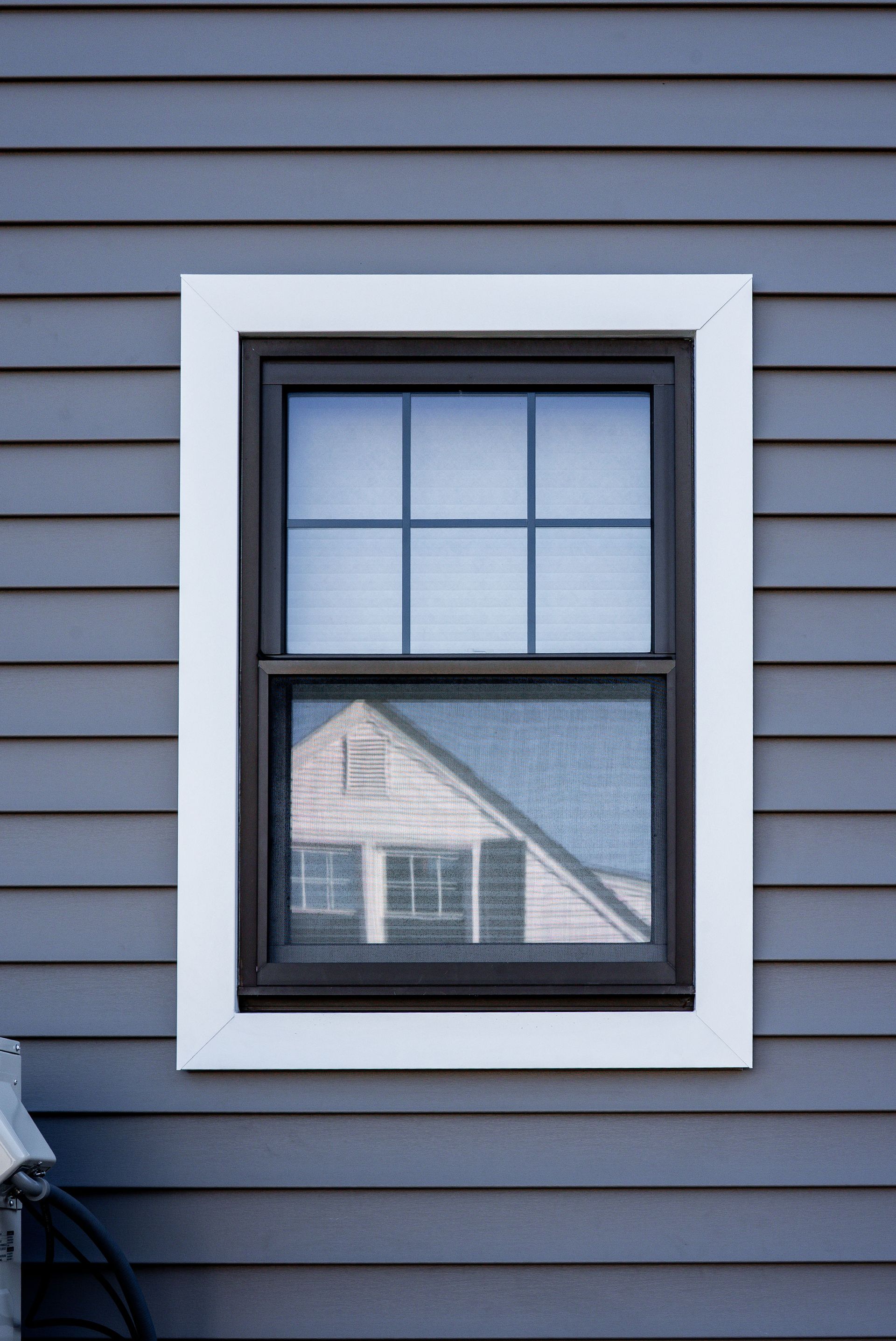
Both materials are popular replacement window options, and both can serve a New England home well for decades. They are built differently, though, and those differences shape how they perform, what they cost, and how long they last.
Vinyl windows are made from PVC, a lightweight plastic that insulates well and keeps costs low. Fiberglass windows are made from glass fibers bound in resin, creating a frame that is much stronger and more dimensionally stable. That core difference in material is what drives almost every other comparison between them.
The Quick Comparison
Before getting into the details, here is how the two stack up on the factors that matter most to homeowners in our region.
| Factor | Vinyl | Fiberglass |
|---|---|---|
| Upfront cost | Lower | Higher, often 15 to 30% more |
| Lifespan | 20 to 40 years | 30 to 50+ years |
| Cold-weather stability | Expands and contracts more | Very stable, holds seals |
| Paintable | No | Yes |
| Maintenance | Very low | Very low |
Why the Material Matters
The reason fiberglass is stronger comes down to how it expands and contracts. Fiberglass moves at nearly the same rate as the glass in the window itself, so the frame and glass stay in sync as temperatures change. Vinyl expands and contracts more, which over many seasons can stress the seals. In a mild, steady climate this rarely matters, but New England is neither mild nor steady.
That strength difference is significant on paper. Fiberglass frames are several times stronger than vinyl, which is why they can be made thinner while still supporting large panes of glass. For a standard double-hung window the practical difference is modest, but for a big picture window or a wide bay, the added rigidity is something you can see and feel over time.
How Each Handles New England Weather
This is where the comparison gets real for Connecticut homeowners. Our winters are cold, our summers are humid, and the swing between them is exactly the kind of stress that reveals the difference between the two materials.
Both materials will keep your home comfortable, but they age differently under our conditions. Understanding how each responds to freeze-thaw cycling and seasonal extremes helps you predict which will hold up better over the years you own the home.
Freeze-Thaw and Seal Integrity
New England windows go through countless freeze-thaw cycles every winter. Because vinyl expands and contracts more than fiberglass, its frames work harder against their seals over time, and in homes with big temperature swings that movement can eventually let in drafts. Fiberglass stays dimensionally stable through the same cycles, so its seals tend to hold longer, which is its clearest advantage in our climate.
Insulation and Comfort
Both materials insulate far better than old aluminum or single-pane windows, and both can be ordered with the energy features that matter most here. What actually keeps a New England home warm is the whole package: the frame material plus low-emissivity glass coatings, argon gas fills, and quality spacers. A well-built vinyl window with those upgrades performs beautifully, and so does fiberglass, so the glass package deserves as much attention as the frame.
It is worth knowing where the small edges lie. Fiberglass is a slightly better insulator than vinyl on its own, and its tighter long-term seal means fewer drafts developing years down the line. Vinyl closes much of that gap when it is built with multi-chambered frames and foam-filled cavities, which many quality vinyl windows now include. For the average Connecticut home, either material paired with a good glass package will deliver a noticeable jump in comfort and lower heating bills compared to what it is replacing.
Cost, Lifespan, and Value
Money is usually where this decision is made, and the two materials sit at different points on the spectrum. The smart way to look at it is not just the price tag today but the cost spread across the years you will own the windows.
Vinyl wins on upfront cost, often running noticeably less than comparable fiberglass. Fiberglass wins on longevity, and for homeowners who plan to stay put, that longer life can make the higher price worth it.
Upfront Cost
Vinyl is the more budget-friendly option and delivers excellent value, which is why it is the most common replacement window in the region. Fiberglass typically costs more, sometimes 15 to 30% above a comparable vinyl window, reflecting its stronger material and longer expected life.
Long-Term Value
Fiberglass generally lasts 30 to 50 years or more, while vinyl typically lasts 20 to 40. If you plan to stay in your home for the long term, spreading the higher fiberglass cost over more years can make it the better value. If you expect to move within a decade or are working within a tighter budget, quality vinyl often makes more sense. Either way, our guide to window replacement cost in Connecticut can help you plan the numbers, and replacing old windows with either material can help lower energy bills, as we cover in our post on saving money by replacing your windows.
Resale is worth a mention too. New windows of either material are a strong selling point, and buyers rarely discount a home for choosing quality vinyl over fiberglass. If a sale is on the horizon, the energy savings and fresh appearance of new windows matter more to most buyers than the frame material itself, which is another reason the shorter-stay math often favors vinyl.
Appearance and Maintenance
Beyond performance and price, how the windows look and how much upkeep they need matter for daily living. Here the two materials diverge in a few ways worth knowing before you decide.
Both are low maintenance compared to wood, which needs regular painting and sealing. Neither vinyl nor fiberglass asks for much beyond routine cleaning, so upkeep is rarely the deciding factor between the two.
Color and Style Options
Vinyl comes in a range of colors, but the color is set at the factory and the material cannot be painted, so you choose from the available options. Fiberglass can be painted, which means more color flexibility now and the ability to change or refresh the color years down the road. Fiberglass frames can also be made thinner while staying strong, allowing for more glass and a sleeker look.
Upkeep Over Time
For both materials, a wash a couple of times a year and an occasional check of the seals and hardware is about all it takes. One difference to keep in mind is that if a vinyl frame is ever damaged, it usually cannot be repaired and the unit is replaced, while fiberglass is more repairable and, being paintable, can be touched up. For most homeowners, though, both deliver the low-maintenance experience that makes people leave wood behind.
It is also worth watching the small things that affect either material over time. Keeping weep holes clear so water drains properly, making sure caulking and flashing around the frame stay intact, and lubricating moving hardware every so often will keep any window operating smoothly for years. These habits cost nothing and matter far more to long-term performance than the choice between vinyl and fiberglass, which is one more reason the installation and upkeep deserve as much thought as the material on the label.
Which One Is Right for Your Home
There is no single winner here, and any contractor who tells you one material is always better is selling, not advising. The right choice depends on your priorities, your budget, and how long you plan to stay in the home.
Think about which of these describes you best, and the answer usually becomes clear. Both materials, installed well, will serve a New England home for decades.
It also helps to think about the house as a whole rather than one window at a time. If you are replacing every window at once, the cost difference between the two materials adds up quickly, which pushes many homeowners toward vinyl for the bulk of the house. If you are doing a phased project or upgrading a few prominent windows, the case for fiberglass on those specific openings can be stronger. Mixing is possible too, though matching the look across the home is something to plan for up front.
Vinyl Is Often the Better Fit When
- Budget is a primary concern and you want strong value
- You may move within the next decade
- Your home has standard-sized window openings
- You are happy choosing from factory color options
Fiberglass Is Often Worth It When
- You plan to stay in the home for the long term
- You want the longest lifespan and best seal stability
- You have large or unusually shaped openings
- You want to paint or change frame colors over time
Whichever direction you lean, the installation matters as much as the material. Even the best window underperforms when it is poorly fitted or sealed, so working with an experienced local installer is what turns a good product into decades of comfort. You can learn more about our approach on our
window replacement page.
Ready to Replace Your Windows in Connecticut?
Whether you lean toward vinyl, fiberglass, or are still deciding, Artisan Building & Remodeling can help you choose and install the right windows for your home. We are a licensed, certified contractor serving Central Connecticut and the shoreline, with an A+ rating from the Better Business Bureau and years of local installation experience. Call us at (860) 759-8617 or reach out through our contact page for a free estimate.
Frequently Asked Questions
Are fiberglass windows worth the extra cost in New England?
For many homeowners, yes, especially if you plan to stay in your home long term. Fiberglass holds its seals better through freeze-thaw winters and lasts longer than vinyl, so the higher upfront cost can pay off over the decades you own the windows. If your budget is tight or you may move soon, quality vinyl is still an excellent value.
Do vinyl windows hold up in cold Connecticut winters?
Yes. Vinyl insulates well and performs reliably in our climate, particularly when paired with low-emissivity glass and argon gas fills. Its main limitation is that it expands and contracts more than fiberglass, which over many years can stress the seals, so proper installation is important.
Which lasts longer, vinyl or fiberglass windows?
Fiberglass generally lasts longer, often 30 to 50 years or more, compared to 20 to 40 years for vinyl. Fiberglass owes its longevity to its strength and dimensional stability, which help it resist the warping and seal wear that come with repeated temperature swings.
Can you paint vinyl and fiberglass windows?
Fiberglass can be painted, which gives you more color flexibility over time. Vinyl cannot be painted reliably, so you choose its color from the factory options at purchase. If changing frame color down the road matters to you, fiberglass has the edge.
What matters more, the frame material or the glass?
Both matter, and the best results come from pairing a quality frame with a good glass package. Low-emissivity coatings, argon gas fills, and quality spacers do much of the work of keeping a New England home comfortable, so a well-built vinyl window with those features can outperform a basic window of any material.
Share this Post
Recent Blog Post