Do I Need Gable Vents If I Have Roof Vents?
October 29, 2025
At Artisan Building & Remodeling, our licensed, insured roofing team has spent years solving attic ventilation problems for Connecticut homes. We design and install complete venting systems, diagnose moisture issues, and balance intake and exhaust so roofs last longer. Quick answer up front: if your home already has a proper ridge vent + soffit vent system, you usually do not need gable vents. If you do not have soffits, have a complex roof, or own an older home, well-sized gable vents can still play an important role. Below is the plain-English guide you can trust.
What Is a Roof Gable Vent?
Definition and Purpose
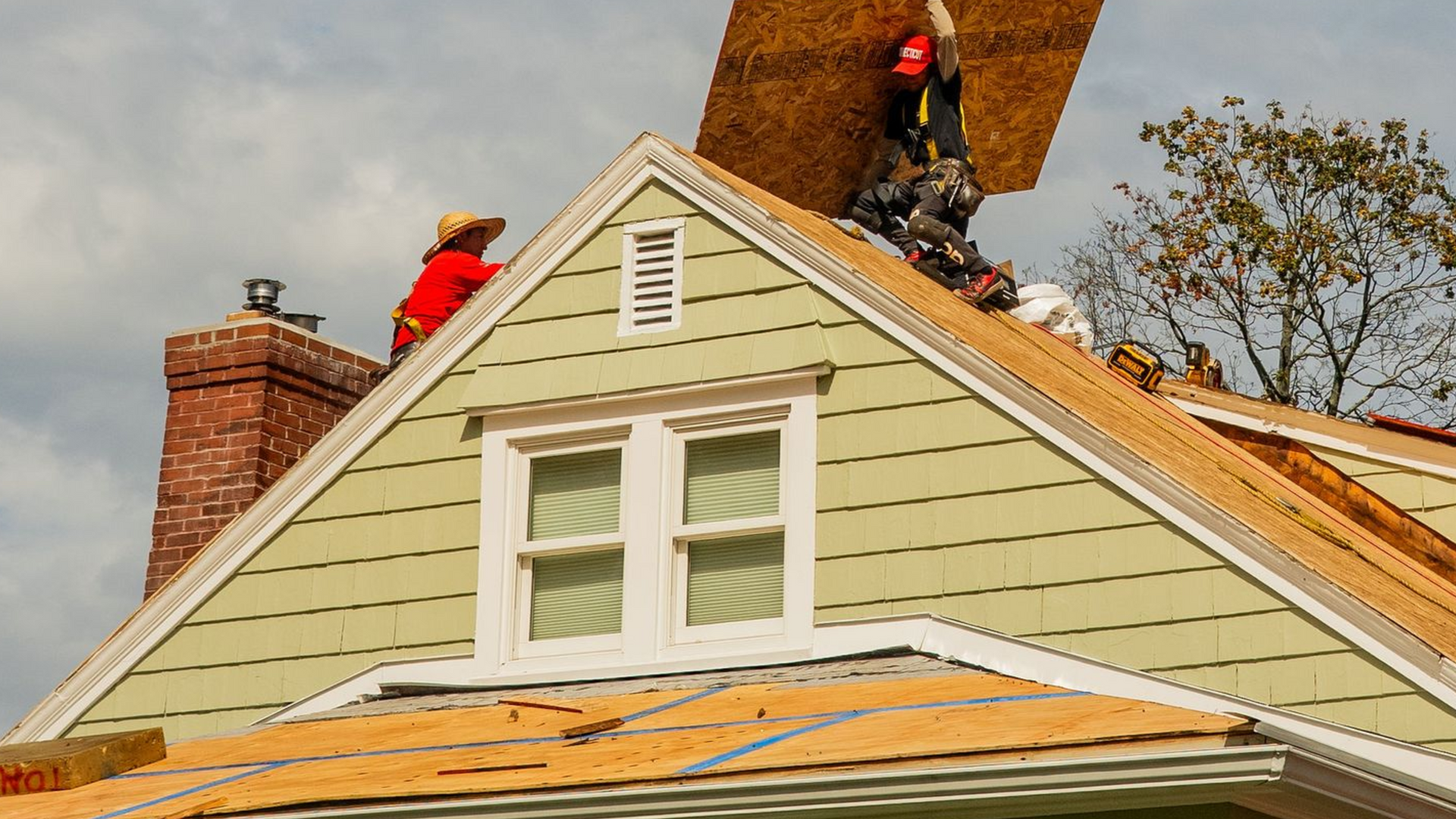
A roof gable vent is a vent built into the gable end of the triangular wall at the peak of your attic. It acts as a passive vent, meaning there are no fans. Warm, moist air rises and exits through the vent while cooler air enters from other openings. The goal is steady attic airflow that helps control heat and moisture.
How It Differs from Other Roof Vents
Other common vent types sit
in or on the roof. A
ridge vent runs along the peak.
Soffit vents sit under the eaves and bring fresh air in.
Box vents or
mushroom vents sit on the roof surface and act as exhaust. A
gable end vent is mounted on the wall, not the roof. It relies more on
cross ventilation (wind moving air from one gable to the other) instead of only rising heat.
Why Roof Gable Vents Matter
Role in Attic Ventilation
Healthy attics move air. Stagnant air allows heat and moisture to build up. Over time, that can damage insulation, stain sheathing, and shorten shingle life. A correctly sized gable vent can help move stale air out, especially when matched with good intake.
Controlling Heat and Moisture
In summer, attics can reach extreme temperatures. That heat radiates down into living spaces and makes air conditioners work harder. In winter, warm indoor air can drift into the attic and drop moisture onto cold surfaces. Gable vents help exhaust hot, damp air so condensation and mold are less likely.
Energy Efficiency Benefits
When the attic stays closer to outdoor temperature, your HVAC runs less. Balanced ventilation also protects insulation so it can do its job. Proper venting is a low-cost step toward energy efficiency and can help reduce cooling bills.
Types of Roof Gable Vents
Louvered Gable Vents
Louvered vents use angled slats that let air move while helping block rain and debris. You’ll see them in wood, vinyl, aluminum, and steel. They come in shapes like rectangles, triangles, arches, and circles. Many include screens to resist insects and birds.
Decorative Gable Vents
These vents add curb appeal and can match your home’s style cottage, colonial, or modern farmhouse. Some are non-functional “faux” vents. If you want airflow, choose decorative-and-functional models with real louvers and screens.
Fire-Resistant and Specialty Vents
In fire-prone areas, look for ember-resistant or fire-resistant gable vents. These often use fine metal mesh or intumescent materials that swell in heat to block embers. Specialty vents also include insulated designs for cold climates and storm-rated models for areas with wind-driven rain.
Roof Gable Vents vs Other Ventilation Options
Ridge Vents
A ridge vent runs along the roof peak and allows hot air to escape the highest point of the attic. When paired with clear soffit vents for intake, ridge vents provide continuous, even exhaust across the whole roof. For many newer homes, this is the most balanced and discreet solution.
Soffit Vents
Soffit vents are the intake side of the system. Cooler outdoor air enters at the eaves, flows across the attic, and pushes hot air out through a ridge vent or other exhaust. Without adequate intake, any exhaust vent—gable, ridge, or box—will underperform. Clean, unblocked soffits are essential. Learn more about fascia and soffit repair to keep your system functioning properly.
Combining Ventilation Systems
Here’s a key point most homeowners miss: mixing vent types can backfire. If you run a ridge vent and gable vents together, the ridge may pull easy air from the gables instead of pulling cool air from the soffits. That can short-circuit the flow and leave parts of the attic stagnant. In many homes, it is better to choose one exhaust strategy (ridge or gable or box) and pair it with strong soffit intake. A pro can model the airflow and recommend the right mix for your roof shape.
Installation and Placement Considerations
Ideal Locations on the Roofline
For gable vents to work well, place one high on each gable end, centered near the peak. Height matters because warmer air rises. If you have only one gable or a complex roof with short ridges and multiple hips, gable vents may still help but you might need more than one vent or a hybrid approach.
Sizing and Ventilation Balance
Ventilation works best when intake ≈ exhaust. Pros size systems using Net Free Vent Area (NFVA) the open area that actually moves air after accounting for screens and louvers. A common guideline is 1 square foot of NFVA for every 300 square feet of attic floor area when you have a continuous vapor barrier, or 1:150 when you don’t or when moisture is a concern. Aim to split NFVA about 50% intake (soffits) and 50% exhaust (ridge or gable). If your home has no soffits, gable-to-gable cross-venting or gable plus roof vents may be the best practical option. Always check local code and manufacturer specs.
Professional vs DIY Installation
Handy homeowners can install basic vents, but mistakes are common. Typical pitfalls include undersizing, poor flashing around wall penetrations, missing bug screens, or blocking the vent from the inside with insulation or storage. A licensed roofer or carpenter will size vents correctly, flash them to shed water, protect against pests, and confirm that existing soffits or baffles are clear.
Maintenance and Longevity
Cleaning and Inspecting Gable Vents
Check your vents at least once a year. Look for dust, lint, leaves, bird nests, and wasp nests. Vacuum or brush screens from inside the attic. From the exterior, ensure louvers are secure and not warped. Confirm that attic baffles at the eaves (if present) are not crushed by insulation.
Common Problems and Repairs
Typical issues include:
- Water intrusion from wind-driven rain due to poor flashing or damaged louvers.
- Rust or corrosion on metal vents.
- UV-cracked vinyl or
rotted wood.
- Insect entry where screens are torn or missing.
- Short-circuiting of airflow if gable vents compete with ridge vents.
Repairs may involve resealing and reflashing, replacing screens, swapping damaged trim, or rebalancing the venting system. For comprehensive roof issues, explore our guide on common types of roof repairs.
When to Replace a Gable Vent
Replace your vent if it's bent, rusted through, leaking, undersized, or if the screen is gone and pests are moving in. Upgrading to a larger, properly screened vent or to an ember-resistant model can boost performance and safety. If you're replacing your roof, it's a good time to reassess the entire venting system and decide between gable exhaust or a ridge-and-soffit setup.
Final Thoughts on Roof Gable Vents
So, do you need gable vents if you already have roof vents?
- If you have
ridge vents with clear soffit intake, you typically
don’t need gable vents. In many cases, it’s best to
close or downsize the gables to avoid airflow conflicts.
- If you
lack soffits, have a
hip roof with short ridges, or own an
older ranch or cape where adding soffits is hard,
gable vents can still provide useful
passive exhaust especially when sized correctly on both ends.
- The best system is the one that achieves
balanced airflow across the entire attic, keeps
moisture in check, and fits your roof design and local code.
At
Artisan Building & Remodeling, our focus is clear answers and durable solutions. We can evaluate your attic, measure NFVA, check baffles and soffits, and recommend a
single, balanced venting strategy tailored to your home, not a one-size-fits-all fix. If you’re unsure whether to keep your gable vents, add soffits, or switch to a ridge system, we’re happy to walk you through the options and the “why” behind them, no pressure, just practical guidance.
Frequently Asked Question's
Can I use gable vents and ridge vents together?
It's generally not recommended. When both systems are active, the ridge vent often pulls air from the nearby gable vents instead of drawing fresh air up from the soffit vents at the eaves. This "short-circuits" the intended airflow pattern and leaves portions of your attic without proper ventilation. If you currently have both, a roofing professional can help you determine whether to seal the gable vents or remove the ridge vent to create a single, balanced exhaust strategy.
How do I know if my gable vents are the right size?
Proper sizing depends on your attic's square footage and whether you have adequate soffit intake. The standard guideline is 1 square foot of Net Free Vent Area (NFVA) per 300 square feet of attic floor when you have a vapor barrier, or 1:150 without one. Your gable vents should provide roughly half of the total exhaust NFVA. Because louvers and screens reduce the actual open area, a vent's face size is always larger than its NFVA rating. Check manufacturer specifications or consult a licensed roofer to calculate your exact needs.
Do gable vents work without soffit vents?
Yes, but less effectively. Without soffit intake, gable vents rely entirely on cross-ventilation—wind blowing through one gable and out the other. This works on breezy days but provides little air movement when conditions are calm. For homes where adding soffits is impractical (older construction, enclosed eaves), placing gable vents on opposite ends at the peak can still provide passive ventilation, though it won't match the performance of a balanced soffit-to-ridge system.
How often should I inspect and clean my gable vents?
Inspect your gable vents at least once per year, ideally in spring or fall. From inside the attic, check for debris buildup, damaged screens, and obstructions like insulation blocking the vent opening. From outside, look for warped louvers, rust, cracked materials, or signs of pest entry. Clean screens with a vacuum or soft brush. If you notice moisture stains, mold, or persistent musty odors in your attic, schedule a professional inspection to assess whether your ventilation system needs rebalancing or repairs.
When should I replace my gable vents instead of repairing them?
Replace gable vents if they're severely rusted, rotted, warped beyond repair, or if the NFVA rating is too small for your attic. Upgrading makes sense when you're already replacing your roof, adding insulation, or addressing chronic moisture problems. Modern ember-resistant vents are also worth considering if you live in a fire-prone area. A replacement is an opportunity to right-size your ventilation system and switch to more durable materials that will last 20+ years with minimal maintenance.
Share this Post
Recent Blog Post