Emergency Roof Tarping CT: When You Need It, How Long It Lasts
December 11, 2025
When a storm tears shingles off your roof or water starts dripping into your home, you don't have time to guess what to do next. Our licensed Connecticut roofing team has handled hundreds of CT roofing emergencies, from wind damage roof cover jobs after summer storms to tarping a roof in winter after heavy snow and ice. We use industry-standard methods, carry proper insurance, and stay current with building codes and insurance tarp coverage rules. This guide shares that real-world experience so you know when you need emergency roof tarping in CT, how it works, and how long a temporary roof tarp actually lasts. It's informational only, but it will help you talk confidently with any professional roofer or insurance adjuster.
What Is Emergency Roof Tarping?
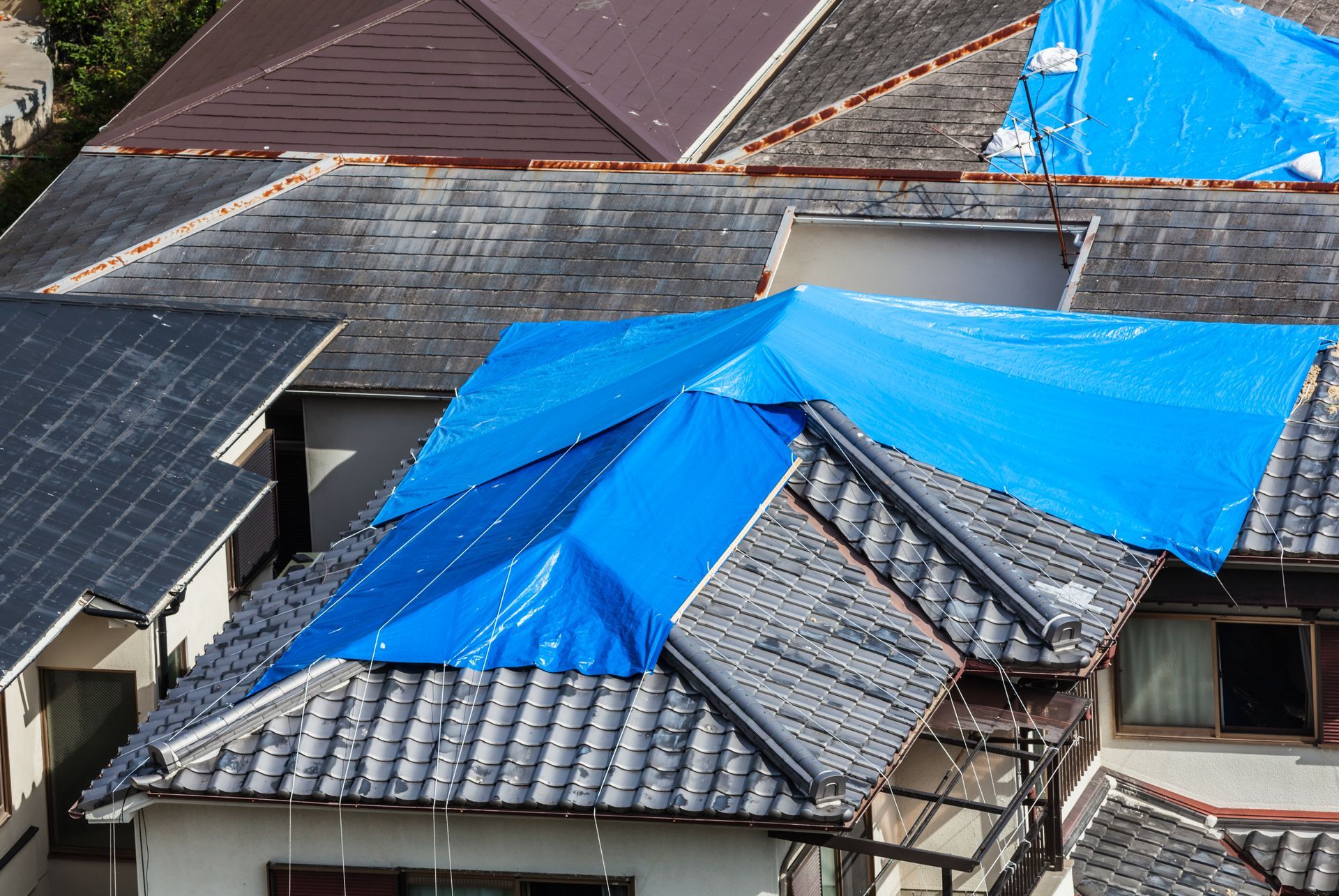
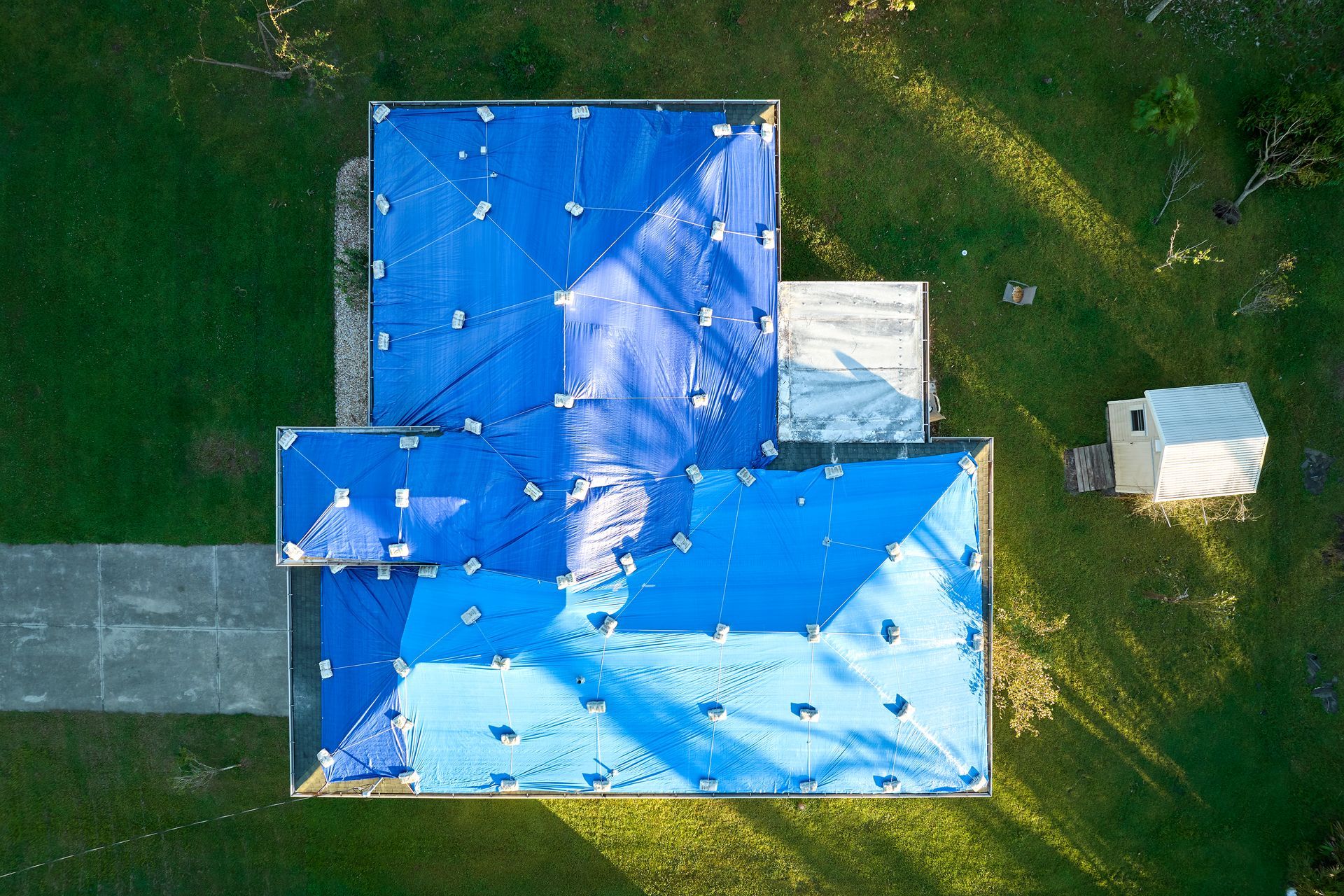
Short answer: Emergency roof tarping is when a heavy-duty, waterproof roof tarp is installed over damaged areas of your roof to stop active leaks and protect your home until permanent repairs are made.
Emergency roof tarping is a form of temporary roof cover. It's part of emergency roofing services used after:
- Wind or trees rip shingles off
- Hail cracks shingles or flashing
- Ice dams or heavy rain cause sudden leaks
The goal is simple: emergency leak stop and roof leak protection so you don't end up with ruined ceilings, insulation, or wiring while you wait for full storm damage roof repair.
Purpose of a Roof Tarp
Short answer: A roof tarp keeps water out and buys you time.
A properly installed tarp:
- Blocks rain, snow, and debris from entering through damaged sections
- Reduces the risk of mold, rot, and structural damage
- Helps protect your belongings, drywall, and insulation
- Shows your insurance company that you took steps to prevent further damage
Think of it as a temporary roof tarp CT homeowners can rely on while they schedule long-term repairs or replacement.
How It Protects Your Home After Storm Damage
Short answer: A tarp turns an open, leaking area into a sealed, waterproof shield.
After roof storm damage, exposed decking, torn shingles, and loose flashing act like open doors for water. A waterproof roof tarp:
- Overlaps the damaged area and several feet of good roofing
- Channels water away into the gutters instead of into your home
- Helps keep wind from lifting more shingles
- Limits the overall cost of your storm damage roof repair
Without a tarp, every new storm can multiply the damage, which may also complicate your insurance claim.
Signs You Need Emergency Roof Tarping
Short answer: If you see clear damage, water coming in, or can't get fast repairs, you likely need emergency roof tarping right away.
Visible Roof Damage After a Storm
If you can see any of this from the ground, it's a strong sign you need storm damage roof tarping in Connecticut:
- Missing or curled shingles
- Exposed wood (roof decking)
- Broken, sagging, or hanging gutters
- A fallen tree limb on the roof
- Big sections of shingles that look lifted, torn, or twisted
Do not climb on the roof to check. A roof damage assessment should be done from the ground or by a trained pro for safety.
Active Leaks or Water Intrusion
You likely need same-day tarp service if you notice:
- Water dripping from ceilings or light fixtures
- Brown or yellow stains spreading on ceilings or walls
- Damp carpet, buckling floors, or a musty smell after rain
These are signs that water is already inside your home. A fast emergency roof repair response with tarping can limit the damage.
Sagging, Missing Shingles, or Exposed Decking
When the roof structure itself looks off, don't wait.
- Sagging areas can mean water-soaked wood or structural damage
- Patches where you see bare wood or underlayment mean your roof has lost its first line of defense
In these cases, residential roof tarping helps stabilize the situation until a contractor can design a permanent fix.
Delays in Permanent Repairs
Sometimes roofers are booked out after a major storm, or you're still going back and forth with insurance. If permanent repairs will be delayed more than a few days, a temporary roof tarp is often the safest option.
A tarp shows your insurance company that you made a reasonable effort to limit damage, which can help with insurance tarp coverage questions later.
How Roof Tarping Works in an Emergency
Short answer: A roofing crew inspects the damage, chooses the right heavy-duty tarp, and secures it safely so wind and rain can't get underneath.
Types of Roof Tarps Used
Most pros use:
- Heavy-duty roof tarps (often 8–16 mil thick)
- UV-resistant materials designed to handle sun, wind, and rain
- Tarps large enough to cover the damaged area plus several feet of good roof
For a CT roofing emergency, contractors may also use ice- and water-shield materials under the tarp, especially when tarping a roof in winter.
Tarping With vs. Without Nails
There are two main methods:
- With nails or screws: The tarp is secured to wood strips (called "battens"), which are then fastened into the roof framing. This method holds up better in high winds but does create small holes that will later be repaired when the roof is fixed.
- Roof tarp without nails: Sometimes used when homeowners or insurance adjusters want to avoid new penetrations. Ratchet straps, sandbags, or weighted boards may be used instead, but this usually doesn't last as long in heavy wind.
Your contractor will choose the safest and most secure method based on your roof type, damage, and weather.
Safety and Installation Considerations
Short answer: Roof tarping is dangerous, leave it to trained pros.
Climbing on a wet, storm-damaged roof is risky. Professional crews use:
- Fall protection harnesses and roof ladders
- Proper footwear and tools
- A clear system for moving materials up and down safely
Good roof tarp safety tips always include: stay off the roof, keep kids and pets away from the work area, and let trained emergency roofing services handle the installation.
How Long Does a Roof Tarp Last?
Short answer: Most emergency tarps are meant to last weeks to a few months, not years.
Temporary vs. Long-Term Tarps
- Temporary tarps are designed for short periods, usually 30–90 days under normal conditions.
- Long-term tarps or shrink-wrap systems can sometimes last longer, but they still should not replace proper roof repairs.
Even the best temporary roof tarp CT homeowners use is not a permanent solution. It's a bridge between the storm and a full repair or replacement.
Weather Conditions and Material Durability
How long your tarp lasts depends on:
- Wind: High winds can loosen edges or tear cheaper tarps
- Sun: UV exposure breaks down plastic over time
- Rain and snow: Standing water or wet, heavy snow can strain the tarp and underlying roof
In Connecticut, strong Nor'easters, snow, and freeze-thaw cycles are tough on tarps. This is why pros choose heavy-duty roof tarps and check them after major weather events.
When to Replace or Reinforce a Tarp
You should call for service if you notice:
- Flapping or loose edges
- New leaks inside the home
- Visible tears, holes, or sagging areas that hold water
Sometimes a contractor can reinforce the tarp with extra battens or straps. In other cases, a full replacement is smarter, especially if repairs are still weeks away.
Choosing a Roof Tarping Service in CT
Short answer: Look for a local, licensed roofer with real emergency experience, not just the lowest price.
Why Local Expertise Matters
For storm damage roof tarping Connecticut homeowners can trust, local knowledge is a big plus. A CT-based roofer:
- Understands our specific weather patterns and storm risks
- Knows local building codes and common roof types in the area
- Can provide same-day roof tarp service CT in many cases
A local team is also more likely to be around later to handle permanent repairs, not just the quick emergency job.
What to Expect From a Professional Emergency Response
A solid emergency roofing service will usually:
- Ask basic questions about the damage and any leaks
- Perform a quick roof damage assessment (often starting from the ground)
- Explain your options for tarping and long-term repair
- Install the tarp safely and clean up the work area
- Provide photos or notes you can use for your insurance claim
You should feel informed and respected, not pressured into a full replacement on the spot.
Working With Insurance Companies
Most homeowners' policies expect you to take reasonable steps to limit damage, which often includes tarping. A good contractor can help with:
- Photos of damage and the tarp installation
- Basic documentation of what was done and why
- Clear invoices that make insurance tarp coverage easier to understand
Keep all paperwork and take your own photos inside and outside the home to support your claim.
Don't Wait. Protect Your Home From Further Damage
When your roof is damaged, time is not your friend. Every storm that hits an unprotected roof can add more leaks, more mold, and more repair costs. Emergency roof tarping CT services exist to give you fast, practical roof protection after storm events so your family and home stay safe until full repairs are complete.
If you notice visible damage, new leaks, or can't schedule repairs right away, contact a qualified local roofer for emergency roofing services and a temporary roof cover. Acting quickly is one of the best ways to protect your home, your budget, and your peace of mind.
Frequently Asked Questions About Emergency Roof Tarping in Connecticut
How much does emergency roof tarping cost in CT?
Emergency roof tarping in Connecticut typically costs between $200 and $1,500, depending on the size of the damaged area, roof pitch, accessibility, and urgency of the situation. Simple tarps for small sections may cost $200-$500, while larger or complex installations on steep roofs can reach $1,000-$1,500 or more. Most homeowners insurance policies cover emergency tarping as part of storm damage claims since it's considered a reasonable step to prevent further damage. Get documentation and receipts from your contractor to submit to your insurance company. While cost matters, prioritize licensed, insured contractors over the cheapest option, improper tarping can lead to additional damage and voided insurance claims.
Can I tarp my own roof to save money?
While it's technically possible, tarping your own roof is extremely dangerous and not recommended. Roofs are slippery and steep, especially after storms when they may be wet or damaged. Falls from roofs cause serious injuries and deaths every year. Additionally, improper tarping can cause more damage, tarps that aren't properly secured can blow off in wind, shift and create new leaks, or trap moisture that leads to mold and rot. Professional roofers have fall protection equipment, proper materials, insurance coverage, and know how to secure tarps to withstand Connecticut weather. The cost of professional tarping is usually covered by insurance and is minimal compared to medical bills or additional damage from DIY mistakes.
Will a roof tarp hold up through a Connecticut winter?
High-quality roof tarps can survive Connecticut winters, but they're not ideal for long-term use. Heavy-duty tarps rated for UV exposure can last 60-90 days in winter conditions, though frequent freeze-thaw cycles, ice buildup, and snow weight can reduce their lifespan. Professional installation is critical, tarps must be secured tightly to prevent wind from getting underneath, and they need proper slope to shed water and snow. If your permanent repairs will be delayed beyond spring, consider having your contractor inspect and reinforce the tarp after major storms. That said, tarps are always temporary solutions. Plan for permanent repairs as soon as weather permits to avoid progressive damage to your roof deck and home interior.
How quickly can I get emergency tarping service after a storm?
Response times for emergency roof tarping vary depending on the severity and scale of the storm. After major storms affecting many homes, roofing companies may be overwhelmed and response times could extend to 24-72 hours. During typical weather, many Connecticut roofing contractors offer same-day or next-day emergency tarping services. To improve your chances of fast service, call as soon as you notice damage, have your address and a description of the damage ready, and be flexible with scheduling. If you're actively experiencing leaks inside your home, emphasize this urgency. Keep multiple contractors' numbers on hand, and consider establishing a relationship with a local roofer before emergencies happen.
What should I do while waiting for emergency tarping service?
While waiting for professional tarping, take steps to protect your home's interior. Place buckets or containers under active leaks, move furniture and valuables away from affected areas, and use towels or tarps to protect flooring. Document everything with photos and videos for insurance purposes, capture the roof damage from the ground (never climb up), interior water damage, and any damaged belongings. If you have safe attic access, place a tarp or plastic sheeting on the attic floor under the leak to catch water before it reaches ceilings. Turn off electricity to affected areas if water is near light fixtures or outlets. Do not attempt to access the roof yourself. Your safety is more important than your roof, and professional help is on the way.
Share this Post
Recent Blog Post