How Much Does Siding Replacement Cost in Connecticut?
September 15, 2026
Quick Answer: Most full siding replacement projects in Connecticut run between $16,000 and $41,000, with the majority of homeowners landing somewhere in the middle. On a per-square-foot basis, expect roughly $3.50 to $8 installed for vinyl, more for fiber cement or wood. The final number depends on the material you choose, the size and shape of your home, and how much prep and repair the job needs.
At Artisan Building & Remodeling, we have installed and replaced siding across Central Connecticut since 2017, and as a GAF Master Elite and Owens Corning certified contractor with an A+ rating from the Better Business Bureau, we quote projects like this every week. This guide breaks down real Connecticut price ranges by material, the factors that move the number up or down, and how to budget with confidence.
Average Siding Replacement Cost in Connecticut
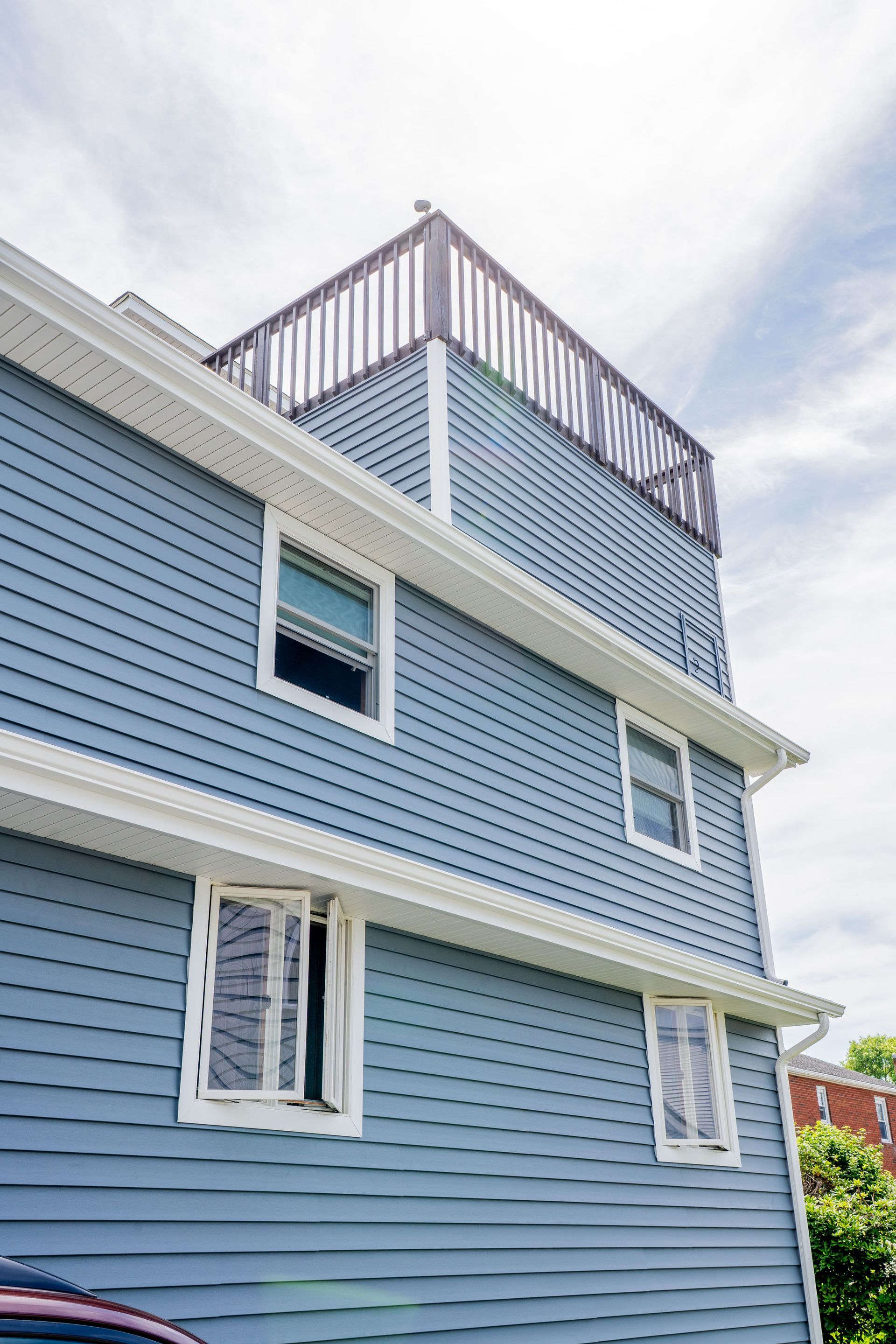
Siding is one of the larger exterior investments a Connecticut homeowner makes, so it helps to know the range before you start collecting quotes. Full replacement projects across the state generally fall between $16,000 and $41,000, a wide span that reflects the many home sizes and materials in use here.
The reason the range is so broad is that no two homes cost the same to side. A small ranch clad in economy vinyl sits near the bottom, while a large multi-story colonial in premium fiber cement lands near the top. Understanding what puts your home on that spectrum is the key to a realistic budget.
Where your project lands also depends on whether you are simply refreshing sound walls or replacing a failing exterior that has let moisture behind it. A clean tear-off and re-side is predictable, while a job that uncovers hidden damage naturally costs more. That is why the smartest first step is an honest assessment of your home's current condition, not just a material choice.
Per Square Foot vs. Whole Project
Contractors usually price siding by the square foot installed, then scale it to your home's exterior. Most Connecticut projects run about $3.50 to $10 per square foot depending on the material, and a typical 1,500 to 2,500 square foot home commonly lands in the $8,000 to $25,000 range for vinyl, with premium materials pushing higher.
It helps to know that the per-square-foot figure covers more than the panels themselves. It rolls in labor, fasteners, trim, house wrap or weather barrier, and the crew's time to prep the walls. That is why a low material price does not always mean a low project price, and why comparing quotes only on material cost can be misleading.
Getting an Accurate Number
Any online figure is a starting point, not a quote. The only way to know what your project will cost is an in-person assessment that accounts for your home's size, condition, and the material you want. That is why we provide free, detailed estimates rather than guessing from a photo. A good estimate should be itemized enough that you can see where your money goes, from material and labor to trim, disposal, and any repairs, which also makes it far easier to compare bids from different contractors on equal terms.
Cost by Siding Material
The material you choose is the single biggest factor in your total cost. Each option carries a different price per square foot, a different lifespan, and a different maintenance commitment, so the cheapest upfront is not always the best value over time.
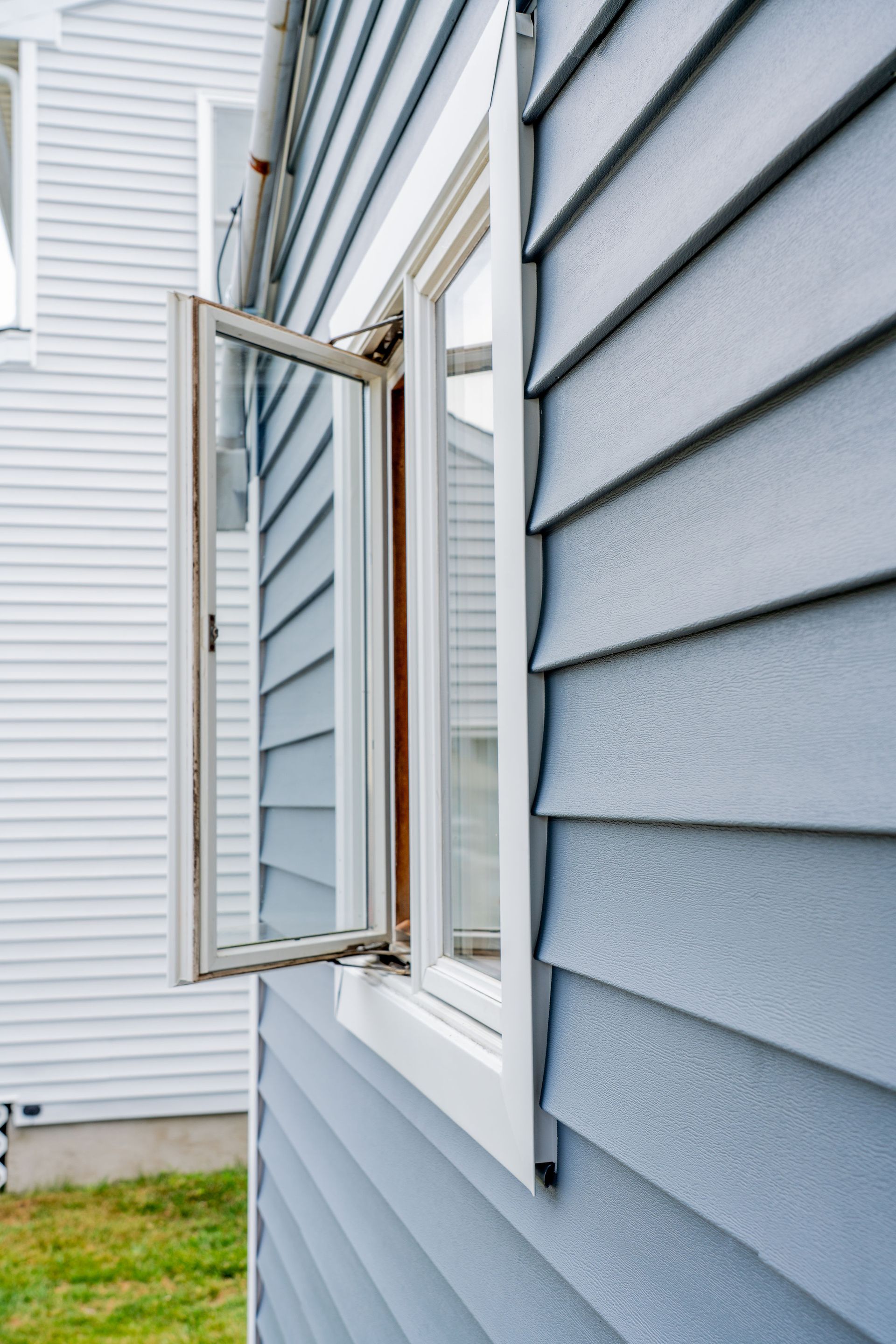
Vinyl remains the most popular choice in Connecticut because it balances affordability, low maintenance, and solid performance in New England weather. But it is far from your only option, and the alternatives are worth understanding before you decide.
Typical Installed Costs by Material
The ranges below reflect common Connecticut pricing for professionally installed siding. Your exact cost depends on the grade, your home, and the scope of the job.
| Siding Material | Typical Installed Cost (per sq ft) | What to Know |
|---|---|---|
| Vinyl | $3.50 to $8 | Most affordable, low maintenance, popular in CT |
| Engineered wood | $5 to $9 | Wood look with less upkeep, mid-range price |
| Fiber cement | $5.50 to $10 | Durable and premium, heavier and more labor |
| Natural wood (cedar) | $7 to $12+ | Classic look, highest cost and most upkeep |
Choosing the Right Material for Your Budget
Vinyl is the practical pick for most homeowners, especially on a tighter budget. If you want more durability or a higher-end look and can invest more upfront, fiber cement is a strong long-term option. Our comparison of vinyl siding versus fiber cement breaks down the tradeoffs, and our guide to how long vinyl siding lasts can help you weigh cost against lifespan.
It also pays to think in terms of cost over the life of the siding, not just the day of installation. A material that costs more per square foot but lasts longer and needs less upkeep can be cheaper across the decades you own the home. Vinyl keeps maintenance low and upfront cost down, fiber cement trades a higher price for durability, and natural wood delivers a premium look at the highest cost and the most ongoing care. Matching the material to how long you plan to stay and how much upkeep you want is often more important than chasing the lowest sticker price.
What Drives the Price Up or Down
Two homes of the same size can carry very different siding bills. Beyond the material, a handful of factors determine where your project lands, and knowing them helps you understand your quote and avoid surprises.
Most of these come down to how much labor and material the job actually requires. A straightforward single-story home with sound walls is quick and clean, while a complex or damaged exterior takes more time and materials.
The Biggest Cost Factors
These are the variables that most affect the final price of a Connecticut siding project.
- Home size: More square footage means more material and labor, the largest driver of total cost.
- Number of stories: Multi-story homes require staging and safety measures that add labor.
- Architectural complexity: Dormers, gables, corners, and trim details all add time and cutting.
- Old siding removal: Tearing off and disposing of the existing siding adds to the bill.
- Hidden repairs: Rotted sheathing, damaged trim, or moisture issues found during tear-off must be fixed first.
Timing and Trim
Season can play a role too, since demand and labor rates often peak in summer, and scheduling in the shoulder seasons can sometimes help. Trim, flashing, and accessories like corner posts and soffit work also add to the total, though they are essential to a siding system that performs and lasts.
One factor homeowners rarely budget for is what a crew finds once the old siding comes off. Hidden rot in the sheathing, water damage around windows, or deteriorated house wrap all have to be corrected before new siding goes on, and these repairs can add to a quote that looked lower on paper. A reputable contractor will flag the possibility during the estimate and explain how any discovered damage would be handled, so there are no surprises mid-project.
Why Connecticut Pricing Runs Higher
If you have compared Connecticut quotes to national averages and found them higher, you are not imagining it. Our region carries costs that push siding prices above the national midpoint, and understanding why helps set realistic expectations.
The two big reasons are labor and weather. Connecticut sits above the national average for skilled trade labor, and our climate demands materials and installation details built to handle real seasonal stress.
Labor and Local Rates
Skilled siding crews in the Greater Hartford area and across Central Connecticut command higher rates than in many parts of the country, and that is reflected in installed pricing. The upside is that experienced local installers understand how to build a siding system that holds up to our freeze-thaw winters and humid summers.
That local knowledge is worth paying for. A crew that works on Connecticut homes year-round knows how our older housing stock is built, how to detail around the trim and rooflines common in the region, and how to manage moisture in a climate that swings from snow to humidity. The cheapest bid is not always the true bargain if it skips the steps that keep water out and the siding secured through decades of New England weather.
Weather-Ready Installation
New England weather is hard on exteriors, so proper flashing, moisture management, and expansion allowances are not optional here. That care adds to the labor but protects your investment. If you are in our home area, our Berlin siding cost guide offers a closer local look at pricing.
Is Siding Replacement Worth It?
Siding is a significant expense, so it is fair to ask whether it pays off. For most Connecticut homeowners, the answer is yes, both in protection and in return on investment, especially when the existing siding is aging or failing.
New siding does more than refresh curb appeal. It seals your home against water and air, improves energy efficiency, and protects the structure behind it from the damage that failing siding lets in.
The Return on Investment
Siding replacement consistently ranks among the higher-return exterior improvements, recovering a meaningful share of its cost in added home value while delivering lower energy bills and fewer repairs in the meantime. For a home going on the market, fresh siding is one of the first things buyers notice.
The savings are not only at resale. Old, failing siding lets air and moisture reach the wall, which drives up heating and cooling costs and can lead to expensive structural repairs down the line. New siding paired with a proper weather barrier tightens the exterior, which many Connecticut homeowners notice on their energy bills through a single heating season. Weighed against the cost of patching failing siding year after year, replacement often turns out to be the more economical path over time.
When Replacement Makes Sense
If your siding is cracked, warped, faded beyond cleaning, or letting moisture behind it, replacement is usually smarter than repeated repairs. Our guide on the
signs it is time to replace your siding can help you decide, and a professional inspection will confirm whether replacement is the right call.
Get a Free Siding Estimate in Connecticut
Ready to find out what your project would actually cost? Artisan Building & Remodeling can help. We are a licensed, certified siding contractor serving Central Connecticut and the shoreline, with GAF Master Elite and Owens Corning credentials and an A+ rating from the Better Business Bureau. Call us at (860) 759-8617 or reach out through our
contact page for a free, no-obligation estimate.
Frequently Asked Questions
How much does siding replacement cost in Connecticut?
Most full siding replacement projects in Connecticut run between $16,000 and $41,000, or roughly $3.50 to $10 per square foot installed depending on the material. Vinyl sits at the affordable end, while fiber cement and wood cost more. Your exact price depends on home size, material, and the scope of prep and repair.
What is the cheapest siding material?
Vinyl is typically the most affordable siding, running about $3.50 to $8 per square foot installed in Connecticut. It also requires very little maintenance, which is why it is the most popular choice in the state. Engineered wood and fiber cement cost more but offer different looks and durability.
Why is siding more expensive in Connecticut?
Connecticut sits above the national average for skilled labor, and our climate requires installation details built for freeze-thaw winters and humid summers. Both factors push installed pricing above national averages, though they also mean a siding system designed to last in New England conditions.
Does new siding add value to my home?
Yes. Siding replacement is one of the higher-return exterior improvements, recovering a meaningful portion of its cost in home value while lowering energy bills and protecting the structure. Fresh siding is also a strong selling point for buyers.
How do I get an accurate siding quote?
The only reliable way is an in-person assessment. A contractor needs to measure your home, evaluate the existing siding, and factor in your chosen material and any repairs. We provide free, detailed estimates so you know your real cost before committing.
Share this Post
Recent Blog Post