7 Signs Your Gutters Need to Be Replaced
June 29, 2026
Gutters do not usually fail all at once. They wear out slowly, and most CT homeowners do not notice the problem until water is already running down siding, pooling near the foundation, or finding its way into the basement. The seven warning signs below tell you when repair is no longer enough and replacement is the smarter call.
Three or more of these signs on your home usually means repair is no longer the right call. Wood rot, foundation cracks, ice damming, and basement flooding all start with a gutter that stopped doing its job. The seven warning signs below tell you when repair is no longer enough and replacement is the smarter call, what each one actually means, and when it is time to invest in a new system.
In This Guide
- Why Gutter Replacement Matters in CT
- Sign 1: Cracks, Splits, or Holes
- Sign 2: Sagging or Pulling Away From the House
- Sign 3: Rust, Peeling Paint, or Orange Streaks
- Sign 4: Water Overflow During Rain
- Sign 5: Pooling Water Near the Foundation
- Sign 6: Separated Seams or Joints
- Sign 7: Rotting Fascia, Soffit, or Siding
- Repair vs. Replace: How to Decide
- What to Expect From a Gutter Replacement
- FAQ

Why Gutter Replacement Matters in CT
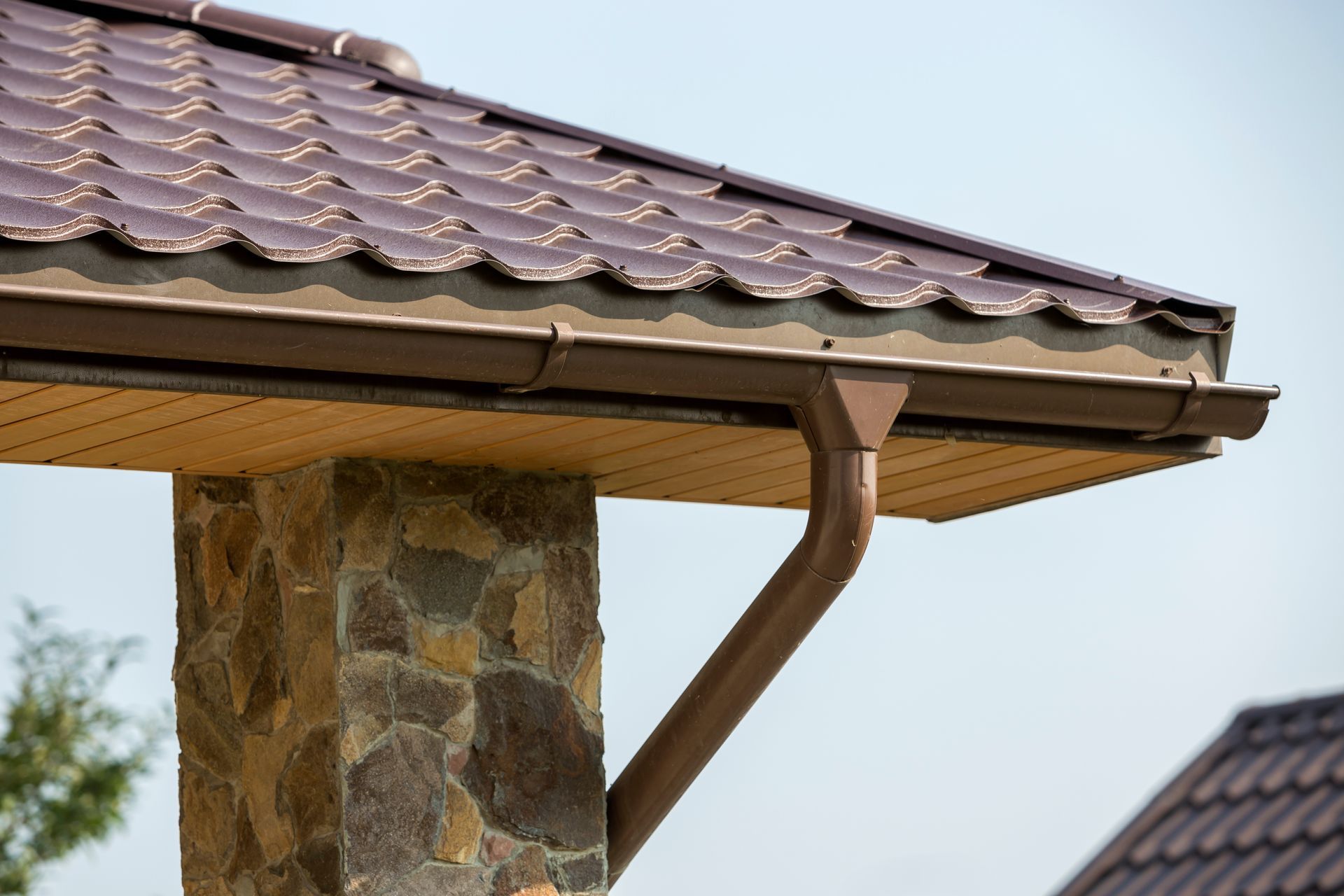
Connecticut weather puts gutters through a lot. Heavy snow and ice in winter, hard spring rains, leaves and debris in fall, and the constant freeze-thaw cycle in between. A gutter system that handled the job for 20 years eventually reaches a point where patches and re-sealing no longer hold.
When gutters fail, water does not just spill harmlessly off the edge. It runs down siding, soaks into fascia and soffit boards, pools at the foundation, and works its way into the basement. The damage compounds quickly. By the time most CT homeowners call a contractor, the gutters are only part of the problem.
Catching the warning signs early lets you replace the system before that secondary damage starts. Here are the seven signs we see most often on CT homes.
Sign 1: Cracks, Splits, or Holes
Visible damage in the gutter trough is the most direct sign that replacement is coming. Small cracks may seem like a sealant fix, but they almost always reveal a bigger problem underneath.
Why Cracks and Holes Form
A few common causes:
- Material aging. Aluminum and steel get brittle over decades, especially after years of CT temperature swings.
- Freeze damage. Water trapped in a clogged gutter freezes, expands, and forces the metal apart.
- Ladder impact. Repeated leaning of ladders against the gutter edge bends and weakens the metal.
- Falling debris. Branches, ice chunks, and storm debris can puncture older gutters.
- Corrosion. Rust eats through galvanized steel gutters from the inside out.
When Sealant Buys Time vs. When It Is a Waste
A single small crack on an otherwise sound gutter can be sealed with a quality gutter sealant and may hold for several seasons. Multiple cracks, large splits, or holes you can see daylight through mean the metal has reached the end of its useful life. Re-sealing a failing gutter rarely lasts more than a year, and the time and cost stack up fast.
Sign 2: Sagging or Pulling Away From the House
Gutters should run in a straight line along the roof edge with a slight pitch toward the downspouts. When they sag, dip, or pull visibly away from the fascia, the support system has failed.
What Causes Sagging Gutters
The hangers that hold gutters in place are designed for a specific load. When water pools in the gutter, when ice builds up, or when debris adds weight, the hangers eventually pull loose from the fascia. Once the gutter sags, water no longer flows toward the downspouts, which causes more pooling and more sagging.
If you can see daylight between the gutter and the fascia board, or if the gutter dips noticeably between hangers, the system has lost its structural support. Re-securing one or two hangers is a possible short-term fix. Sagging along most of the run usually means replacement.
How Ice Loads Speed Up the Problem
CT winters are especially hard on aging gutters. Ice can add hundreds of pounds of weight to a single run. If your gutters are already weakened, the first heavy ice event of the season can pull them off the house entirely. For more on managing ice and snow loads, see our
winter roof preparation guide.
Sign 3: Rust, Peeling Paint, or Orange Streaks
Rust is one of the clearest signs your gutters are at the end of their life. Once it starts, it does not stop.
Where Rust Usually Appears First
Look for orange or brown streaks on these spots:
- Inside the gutter trough. Debris and standing water start the rust there first.
- At seam joints. Sealant breaks down, water seeps in, and the seams corrode.
- At downspout connections. Constant water flow accelerates rust at the outlet.
- On the exterior gutter face. Once rust shows on the outside, it has already gone through the metal.
- Down the siding below the gutter. Orange streaks running down siding mean rust is bleeding through.
Why Galvanized Steel Gutters Are More Vulnerable
Older CT homes often have galvanized steel gutters. The zinc coating protects the metal at first, but once it wears through, rust takes over. Aluminum gutters do not rust the same way, which is one reason aluminum has become the standard replacement material in CT.
If your gutters are visibly rusted or you see orange streaks on your siding, the system is past saving. Replacement is the only real fix.
Sign 4: Water Overflow During Rain
Watch your gutters during the next moderate rainstorm. Healthy gutters carry water from the roof to the downspouts without spilling over the edge. Failing gutters overflow even in light rain.
Why Gutters Overflow
A few reasons:
- Clogs from leaves and debris. This is the most common cause and usually fixable with cleaning.
- Improper pitch. If gutters do not slope toward downspouts, water sits and overflows.
- Undersized gutters. Some older homes have 4-inch gutters that cannot handle modern storm volumes.
- Damaged or sagging sections. Low spots collect water and spill before it reaches the downspout.
- Blocked downspouts. Even clean gutters cannot drain if the downspout is clogged or kinked.
When Overflow Means Replacement
If you clean the gutters, clear the downspouts, and still see overflow during normal rain, the system itself has failed. Either the pitch is wrong from years of sagging, the gutters are undersized for your roof area, or the metal has warped enough to create low spots. None of those are repairs. All are replacement situations.
For broader rain and storm protection, see our
storm damage roof repair guide.
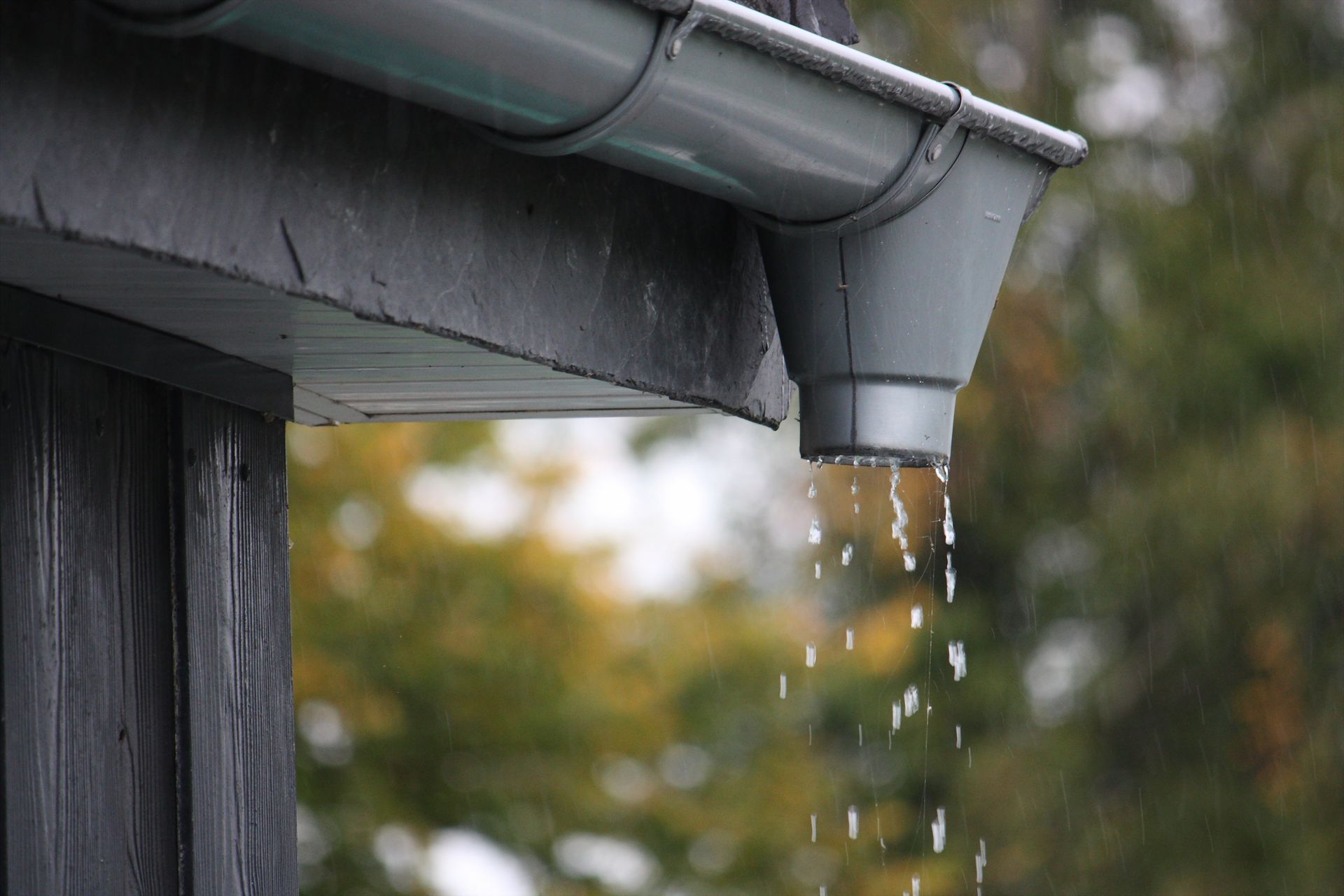
Sign 5: Pooling Water Near the Foundation
Look at the ground next to your house after the next rain. If you see standing water, mud puddles, or eroded mulch right at the foundation, your gutters are not carrying water far enough away from the house.
Why This Matters More Than Most Homeowners Realize
Water that pools at the foundation does real damage. It softens the soil under your home, causes settling cracks, gets into basement walls, and leads to mold and dampness inside. The repair cost for a wet basement is many times higher than gutter replacement.
Common Foundation-Level Failures
Pooling water usually traces back to one of these:
- Downspouts that dump water right at the foundation rather than carrying it away
- Cracked or disconnected downspout extensions
- Gutter sections so failed that water never reaches the downspouts at all
- Downspouts crushed or kinked by lawn equipment or ladders
If your downspouts are intact but you still see foundation pooling, the gutters themselves are likely not collecting water properly. That points to a system at the end of its life.
Sign 6: Separated Seams or Joints
Sectional gutters have joints every 10 feet or so where pieces connect. Those joints are sealed when the gutter is installed. Over time, the sealant fails, and the joints pull apart.
What Separated Seams Look Like
Look for visible gaps between gutter sections, water dripping straight down from seam areas during rain, or sealant peeling away from the inside of the joint. You may also see staining on the fascia or siding directly below a failed seam.
Why Seamless Gutters Solve the Problem
Most modern CT gutter installations are seamless, formed on-site from one continuous piece of aluminum that runs the full length of each roof edge. Seamless gutters eliminate most of the joint failures that plague older sectional systems.
If your current gutters have multiple failed seams, replacing them with a seamless system is usually the right call. The cost difference is small, and the long-term performance is significantly better. Our
gutter installation page walks through the details of seamless installations on CT homes.
Sign 7: Rotting Fascia, Soffit, or Siding
This is the sign that means damage has already moved beyond the gutters themselves. When water has been spilling over or leaking behind gutters for a while, it soaks into the wood trim and siding behind them.
What to Look For
Signs of secondary damage:
- Soft, dark, or spongy fascia boards. Press them with a screwdriver. If the wood gives easily, rot has set in.
- Peeling paint on the trim or siding directly below the gutters. Water tracking down causes paint failure.
- Visible mold or mildew on soffits. Black or green staining on the underside of the roof overhang.
- Loose or warped siding boards near gutter edges. Trapped moisture warps wood and vinyl alike.
- Bird, insect, or animal activity in the trim area. Damaged fascia attracts wildlife looking for shelter.
Why This Sign Is Urgent
Once fascia and soffit damage starts, you are no longer just replacing gutters. You are also paying for carpentry repairs, painting, and sometimes siding work. The longer you wait, the more of that secondary work piles up.
If you see this sign, do not delay. Replacement of the gutters and repair of the surrounding trim should happen at the same time. Gutters cannot be installed properly on rotted fascia, so this work is sequenced together.
Repair vs. Replace: How to Decide
Not every sign on this list means immediate replacement. Some can be repaired if the rest of the system is sound. Use this quick reference:
| Sign | Usually Repair | Usually Replace |
|---|---|---|
| One small crack on a sound gutter | ✓ | |
| Single sagging section, hangers intact | ✓ | |
| Localized rust on one short section | ✓ | |
| Overflow caused only by clogs | ✓ | |
| One separated seam | ✓ | |
| Multiple cracks across the system | ✓ | |
| Sagging in many areas | ✓ | |
| Widespread rust or orange streaks on siding | ✓ | |
| Overflow with no clogs present | ✓ | |
| Multiple failed seams | ✓ | |
| Rotting fascia or soffit damage | ✓ | |
| System is 20+ years old | ✓ |
If you see three or more of these warning signs, replacement is almost always the smarter investment.
What to Expect From a Gutter Replacement
Replacing a CT home's gutters is usually a one-day project. Knowing the process helps you spot a thorough contractor versus one cutting corners.
The Process Step by Step
A typical CT gutter replacement follows this sequence:
- Inspection and measurement. The contractor measures roof edges, checks fascia condition, and identifies any wood that needs repair before new gutters go up.
- Removal of old gutters and downspouts. The old system comes down carefully so the contractor can inspect the fascia underneath.
- Fascia and soffit repairs as needed. Any rotted wood gets replaced before installation. Skipping this step means the new gutters will not stay attached.
- Custom forming of seamless gutters on-site. Aluminum coil is run through a portable machine that forms the gutter to the exact length of each roof edge.
- Installation with hidden hangers. Modern hangers spaced every 24 to 36 inches give the system structural strength to handle ice and snow.
- Downspout placement and grading. Downspouts go in locations that drain efficiently, with extensions that carry water at least four to six feet from the foundation.
- Cleanup and walkthrough. A reputable contractor leaves the job site clean and walks you through the work before final payment.
Material and Style Choices
Most CT replacements use:
- Aluminum K-style gutters in 5- or 6-inch widths. The 6-inch option handles heavier rain volumes and is recommended for homes with large roof areas.
- Round downspouts or rectangular downspouts. Both work well. Choice often comes down to home style.
- Color-matched finishes. Aluminum gutters come in many color options that match siding and trim without painting.
- Optional gutter guards. Worth considering if your home is surrounded by trees that drop leaves and pine needles.
Frequently Asked Questions
How long do gutters last in Connecticut?
Quality seamless aluminum gutters typically last 20 to 30 years in CT. Older galvanized steel gutters often hit the 20-year mark before rust takes them out. Copper gutters can last 50 years or more. Our guide on how long new gutters last breaks down what affects lifespan.
Can I replace just the damaged section instead of the whole system?
Sometimes, yes. A single short run on one side of the house can be replaced while leaving the rest in place. But if the rest of the system is the same age and condition, replacing piecemeal usually means another replacement is coming soon for the remaining sections.
Do new gutters increase home value in CT?
Yes, modestly. Replacing visibly aged or sagging gutters improves curb appeal and reassures buyers that the home has been maintained. It is one of the smaller exterior projects with a strong return on appearance.
Are gutter guards worth it in Connecticut?
For homes near mature trees, often yes. Guards reduce cleaning frequency and prevent the debris-driven clogs that cause many CT gutter failures. They are not maintenance-free, but they are a meaningful improvement. See our gutter guards page for details.
Should gutters be replaced when I get a new roof?
If the gutters are showing any of these signs, it usually makes sense to replace them at the same time. The work is already happening on the roof edge, and you avoid disturbing new gutters with future roof projects. See our asphalt shingle roof replacement guide for more on planning a full project.
Share this Post
Recent Blog Post