Vinyl Siding vs. Fiber Cement: Which Is Better for CT Homes?
June 29, 2026
For most Connecticut homeowners, vinyl siding wins on upfront cost and easy maintenance, while fiber cement wins on lifespan, freeze-thaw durability, fire resistance, and resale value. The right choice depends on how long you plan to stay in the home, your budget, the look you want from the curb, and how much yearly upkeep you are willing to take on.
Artisan Roofing CT installs vinyl, fiber cement, and other siding systems across the state, from Hartford and West Hartford to Wallingford, Cheshire, Manchester, and the shoreline towns. That side-by-side experience is what shapes the comparison below.
In This Guide
- The Quick Answer for CT Homeowners
- What Vinyl Siding Is and How It Has Changed
- What Fiber Cement Siding Is and Why Hardie Leads
- Cost: Upfront and Over the Long Term
- Durability in Connecticut Weather
- Maintenance and Long-Term Care
- Curb Appeal, Color, and Style
- Energy Efficiency and Insulation Value
- Resale Value and ROI in CT
- Vinyl vs. Fiber Cement Side-by-Side
- How to Decide for Your CT Home
- Talk to a CT Siding Contractor
- FAQ
The Quick Answer for CT Homeowners
Both materials work in Connecticut. The right pick depends on your priorities.
When Vinyl Is the Smarter Pick
Vinyl is the right call when budget is the leading factor, when the home is a starter or rental, or when you want a low-maintenance exterior you can wash with a hose once a year. Modern insulated vinyl makes sense for older CT homes with little wall insulation, because the foam backing adds R-value without opening the walls. If you plan to sell within five to seven years, vinyl recovers most of its cost at resale.
When Fiber Cement Earns the Higher Cost
Fiber cement is the smarter pick when you want an exterior that lasts 40 to 50 years, when you care about a wood-look texture and a paintable surface, or when fire codes and insurance benefits matter. It also wins in coastal CT towns with salt air and storm exposure. For homeowners staying long-term, the lower lifetime cost and stronger resale impact usually justify the larger upfront investment.
What Vinyl Siding Is and How It Has Changed
Vinyl siding is a PVC-based panel that locks together horizontally or vertically across the wall. It has been the most common siding in the U.S. for over thirty years, and what is on the market today is not the same product that wrapped suburban homes in the 1990s.
How Modern Vinyl Is Made
Today's vinyl uses a co-extruded design: a thicker top layer for UV stability and a thicker bottom layer for impact and rigidity. The result is a panel that fades less, holds color longer, and resists cracking in cold better than older versions. Premium thicknesses run from .044 to .055 inches, which is what we recommend for CT homes facing real wind and ice.
What Insulated Vinyl Adds
Insulated vinyl bonds rigid foam to the back of the panel. The foam adds R-2 to R-4 of wall insulation, dampens sound, stiffens the panel, and reduces the hollow look thin vinyl can have. For CT homes built before the 1980s with little wall insulation, it is often the best balance of cost and energy savings. The tradeoff: insulated vinyl runs 30 to 50 percent more than standard, closing the gap with entry-level fiber cement.
What Fiber Cement Siding Is and Why Hardie Leads
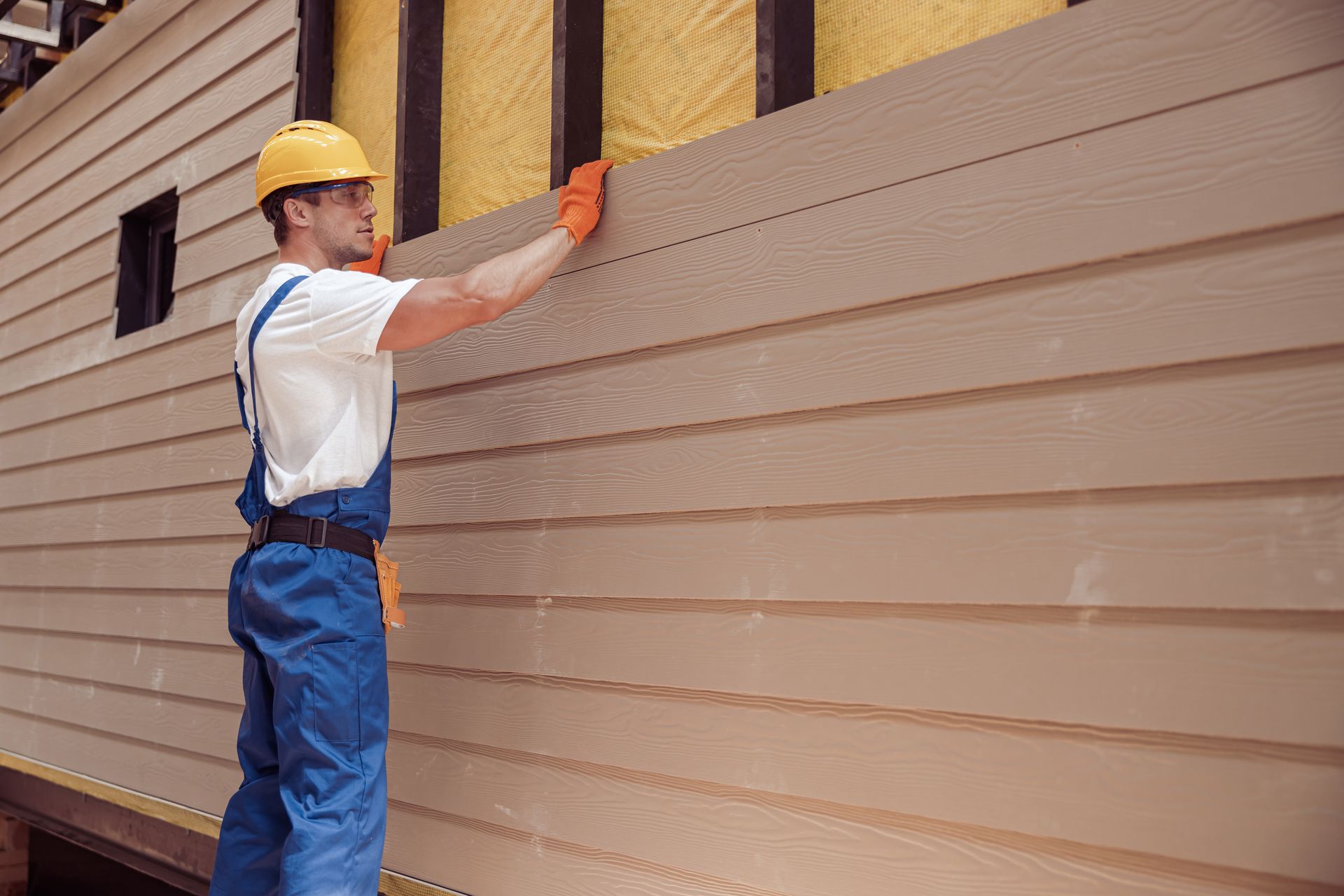
Fiber cement siding is a mix of cement, sand, water, and cellulose fibers pressed into rigid planks, panels, or shingle profiles. It does not melt, rot, attract termites, or burn, which is why it has taken share from vinyl, wood, and engineered wood across New England.
The Material and Composition
Fiber cement planks are typically 5/16 inch thick and weigh about two and a half times more than vinyl per square foot. That weight is part of why it performs so well in wind and impact, though it means installation needs more labor. The factory-applied paint is baked on in a controlled environment and holds up far better than field-painted siding, with most manufacturers warrantying color for 15 years.
Why James Hardie Dominates
James Hardie holds the largest U.S. fiber cement market share by a wide margin, and most CT contractors who install fiber cement install Hardie for a few reasons:
- Engineered for cold climates: The HardieZone system designs products for Northeast freeze-thaw and humidity.
- ColorPlus factory finish: 15-year warranty on the baked-in color.
- Wide style range: Lap, shingle, vertical panels, soffit, and trim in the same family.
- Strong dealer network: Replacement boards and matching colors stay available years after install.
Allura and Nichiha make solid fiber cement too. For most CT homes, Hardie is the default.
Cost: Upfront and Over the Long Term
Cost is where most homeowners start. Real numbers depend on home size, wall complexity, brand, and current CT labor rates.
Average Installed Cost in CT
For a typical 2,000 square foot CT home, expect ranges around:
- Standard vinyl siding: $8 to $12 per square foot installed.
- Premium or insulated vinyl: $11 to $16 per square foot installed.
- Fiber cement (Hardie or comparable): $13 to $20 per square foot installed.
These include tear-off, house wrap, flashing, trim, and labor, but not rot repair uncovered during demo. For a town-specific breakdown, see our vinyl siding cost guide for Connecticut.
What Drives Price Differences
Wall height, stories, gables, dormers, and decorative cuts all add labor. Lead-coated copper flashing, cedar accents, and ColorPlus upgrades add material cost. Salt-air locations along the CT shoreline add cost because fasteners and flashings need higher corrosion ratings.
Lifetime Cost Math
Over 40 years, the spread between vinyl and fiber cement is smaller than the sticker shock suggests, because vinyl is more likely to need replacement once in that window while quality fiber cement is not. The smart comparison is total cost over the time you plan to stay, not the day-one price. Our
roof replacement cost guide for CT walks through the same framework.
Maintenance and Long-Term Care
Vinyl: Wash and Walk Away
Vinyl is the lowest-maintenance siding on the market. A yearly rinse with a hose, or a soft wash if there is mildew on shaded walls, is all most CT homes need. The only items: replacing a cracked panel after a storm, tightening loose pieces, or refreshing caulk at penetrations.
Fiber Cement: Caulk, Paint, and Inspect
Fiber cement is durable but not maintenance-free. The factory paint lasts 12 to 15 years before a refresh. Caulk joints at trim, windows, and butt joints should be inspected every two to three years and recaulked when they crack.
A practical maintenance rhythm for fiber cement in CT:
- Every spring: Check for cracked caulk, flashing issues, or staining.
- Every two to three years: Recaulk failing joints, focusing on south and west walls.
- Year 12 to 15: Plan a full repaint or color refresh.
- After major storms: Inspect for impact damage around lower walls and corners.
Curb Appeal, Color, and Style
Color Longevity and Fading
Modern vinyl holds color much better than older generations, but it still fades faster on south and west walls. The fade is gradual and often invisible until you replace a damaged panel and the new piece does not match. Fiber cement with a baked factory finish holds color for the life of the warranty, typically 15 years. When repainting becomes necessary, you can change colors completely without replacing siding.
Several factors affect how color holds on either material:
- Sun exposure: South and west walls fade fastest.
- Color choice: Dark colors absorb more heat and fade more visibly.
- Surface texture: Smooth finishes show fading earlier than woodgrain textures.
- Climate stress: Salt air, heavy snow contact, and tree sap accelerate wear.
Style and Architectural Fit
Vinyl comes in horizontal lap, vertical board-and-batten, shake, scallop, and beaded profiles. The variety has grown, but vinyl still reads as vinyl on close inspection. Fiber cement reads as wood from the curb: the texture is convincing, seams are tighter, and proportions match traditional New England architecture. For colonials, capes, and farmhouses common in CT, fiber cement usually looks more correct.
Energy Efficiency and Insulation Value
Siding by itself is not the main driver of home energy performance, but the wall assembly underneath matters a lot.
Insulated Vinyl R-Values
Standard vinyl has almost no insulating value (R-0.6). Insulated vinyl with foam backing adds R-2 to R-4, which can be meaningful on a CT home that lacks wall insulation. The foam also reduces thermal bridging at the studs, an often overlooked source of heat loss in older CT homes.
Fiber Cement and Wall System Performance
Fiber cement itself does not add insulation value. Energy savings come from upgrading the full wall assembly: house wrap, taped seams, rigid foam under the siding, and proper detailing at windows. Done right, a fiber cement reside with continuous exterior insulation outperforms most insulated vinyl jobs. Without it, performance is similar to standard vinyl. Our
roof winter preparation guide for Connecticut covers the connection between attic, walls, and energy loss.
Resale Value and ROI in CT
Resale is one of the few places where industry data is consistent. Both materials recover most of their cost at sale, but the patterns differ.
What CT Buyers Notice First
The visible exterior is one of the first things CT buyers register. Clean vinyl reads as well-maintained but unremarkable. Fiber cement in a wood-look color reads as an upgrade and signals quality. In higher-end CT towns, fiber cement now functions as an expected feature. In starter and mid-market homes, modern vinyl is fine and does not hurt resale.
Documented ROI for Both Materials
National remodeling data consistently shows fiber cement recovering a higher percentage of its cost at resale than vinyl. The exact numbers shift year to year, but the pattern is steady: fiber cement returns more of the investment, vinyl returns less but costs less to begin with. Our guide on
roof replacement before selling your house walks through that decision, and the logic applies to siding.
Vinyl vs. Fiber Cement Side-by-Side
This is the comparison most CT homeowners want on one screen.
| Factor | Vinyl Siding | Fiber Cement (Hardie) |
|---|---|---|
| Upfront cost (installed) | $8 to $16 per sq ft | $13 to $20 per sq ft |
| Expected lifespan | 20 to 40 years | 40 to 50 years |
| Maintenance | Annual wash | Caulk every 2 to 3 yrs, repaint at 12 to 15 |
| Cold-weather impact resistance | Lower | Higher |
| Wind rating (typical) | Up to 110 mph | 130 to 150 mph |
| Fire resistance | Melts and burns | Non-combustible |
| Insect and rot resistance | Excellent | Excellent |
| Color longevity | Fades on south/west walls | 15-year factory finish |
| Texture realism | Reads as vinyl up close | Reads as wood from curb |
| Insulation value (standard) | R-0.6 | None on its own |
| Insulation value (premium) | R-2 to R-4 (insulated) | Depends on wall system |
| Best for | Budget, low maintenance, rentals | Long-term homes, resale, coastal |
| Resale ROI | Solid mid-range | Higher than vinyl |
How to Decide for Your CT Home
Pick Vinyl If
Pick vinyl if budget is the deciding factor, if you plan to sell within five to seven years, if you want the lowest-maintenance exterior, or if your home is a rental where ROI per dollar matters more than long-term appearance. Insulated vinyl is a strong middle option for older CT homes needing wall insulation.
Pick Fiber Cement If
Pick fiber cement if you plan to stay ten years or more, if you want a wood-look exterior that matches traditional CT architecture, if your home is in a coastal town with salt air and storm exposure, or if fire resistance is a priority.
If your current siding is failing, our guide on
the signs that say it's time to replace siding helps clarify the decision. For cold-climate context, our
guide to the best siding for cold climates in New England goes deeper on regional weather.
Talk to a CT Siding Contractor
The right siding choice depends on the home, the budget, the timeline, and the wall system underneath. Two homes on the same street can land on different answers for good reasons.
If you are weighing vinyl against fiber cement, get an on-site assessment from a contractor who installs both. A walk-around catches what photos miss: rot at corners, flashing issues at windows, wall sheathing concerns, and the small details that drive cost.
For help vetting candidates, our
guide on how to choose a roofing contractor in CT covers the same questions worth asking a siding contractor: licensing, insurance, manufacturer certifications, warranties, and how they handle the details that fail first. To see Artisan Roofing CT's full
siding service and book a consultation, head to the siding page or call directly.
Frequently Asked Questions
Is fiber cement worth the extra cost over vinyl in CT?
For homeowners staying ten or more years, usually yes. The longer lifespan, stronger resale impact, and lower replacement risk outweigh the higher upfront price. For shorter stays, vinyl is the better value.
Does fiber cement crack in cold CT winters?
No. Fiber cement does not become brittle the way vinyl can. It handles freeze-thaw cycles well as long as it is installed with proper gaps at joints and the caulk is maintained.
Can I install fiber cement over existing vinyl siding?
No. The old vinyl needs to come off first. Fiber cement is heavier, requires fastening to studs or sheathing, and a reside is the only way to catch rot or water damage hiding behind old siding.
How long does vinyl siding last in Connecticut?
Modern premium vinyl typically lasts 20 to 40 years in CT depending on sun exposure, storm history, and color. Lighter colors hold up longer. Lower-grade vinyl often shows fading and brittleness around the 20-year mark.
Is one easier to repair than the other after storm damage?
Vinyl is easier to swap panel-for-panel when a piece is cracked, as long as the color is still available. Fiber cement repairs are more involved (cut, fasten, seal, paint to match) but usually less frequent.
Share this Post
Recent Blog Post