How Much Do Solar Shingles Cost in Connecticut?
July 31, 2026
Solar shingles for a typical Connecticut home generally cost more than both a standard roof and traditional solar panels, often landing in the range of a premium roof replacement plus a solar system combined, because they serve as both your roofing and your power source. The final price depends on your roof size and complexity, the system's power capacity, your energy needs, and available incentives. Solar shingles cost more upfront than panels but offer a sleeker, integrated look, which is the main trade-off Connecticut homeowners weigh.
As a Connecticut roofing contractor, Artisan Roofing works with roofing systems and roof-integrated products across the state, so we can explain how solar shingles fit real New England roofs and what actually drives their cost. This guide gives straight answers on pricing, the factors involved, and how they compare to panels, without the sales pitch.
Here are the direct answers first, then the details.
In This Guide
- What solar shingles cost in CT: The ballpark ranges.
- What affects the cost: The main price drivers.
- Solar shingles vs solar panels on cost: How they compare.
- Incentives that lower the cost: Tax credits and more.
- Are solar shingles worth it in Connecticut?: Weighing the value.
- How to plan and budget: Getting an accurate number.
- Frequently asked questions: Quick answers to common questions.
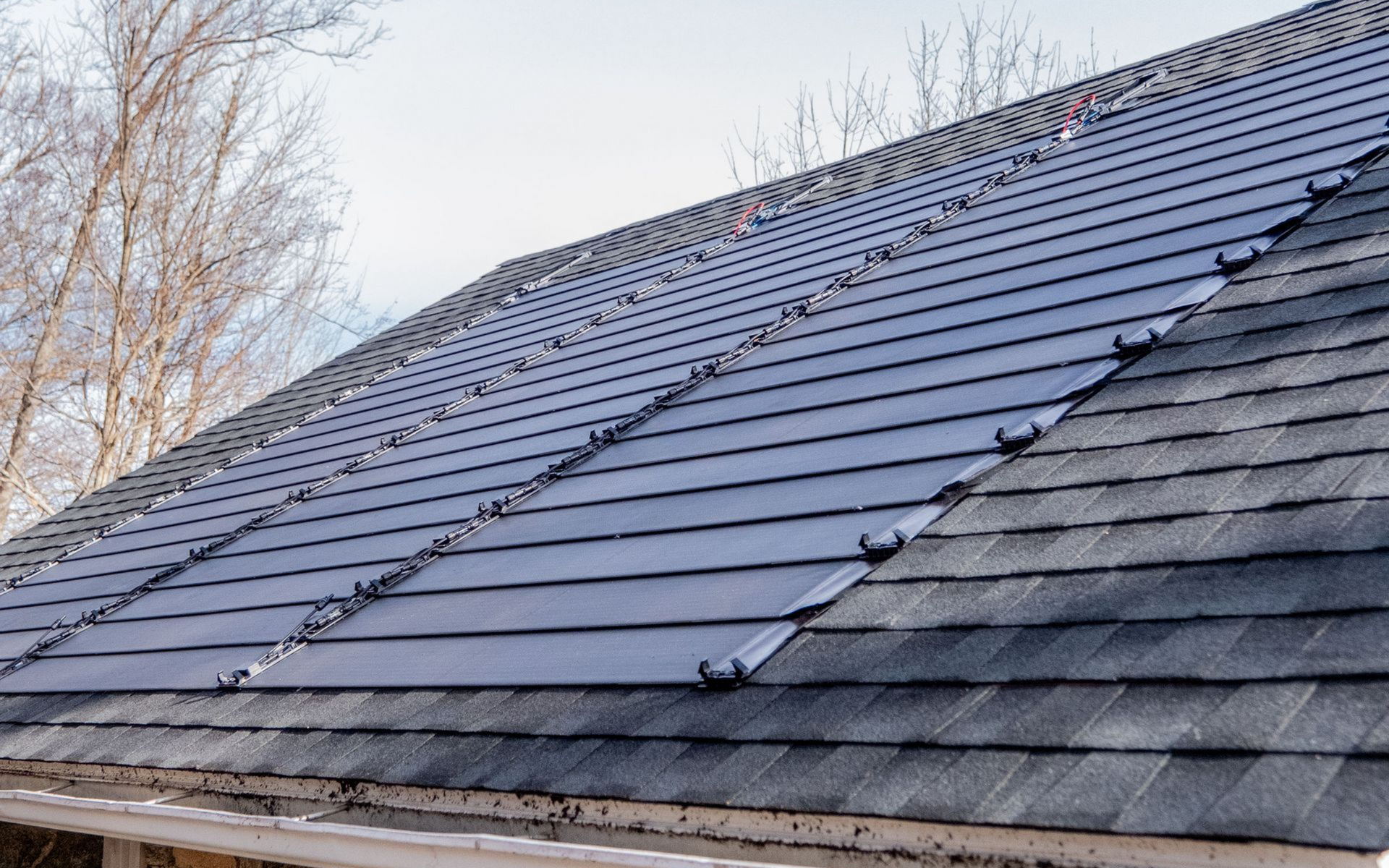
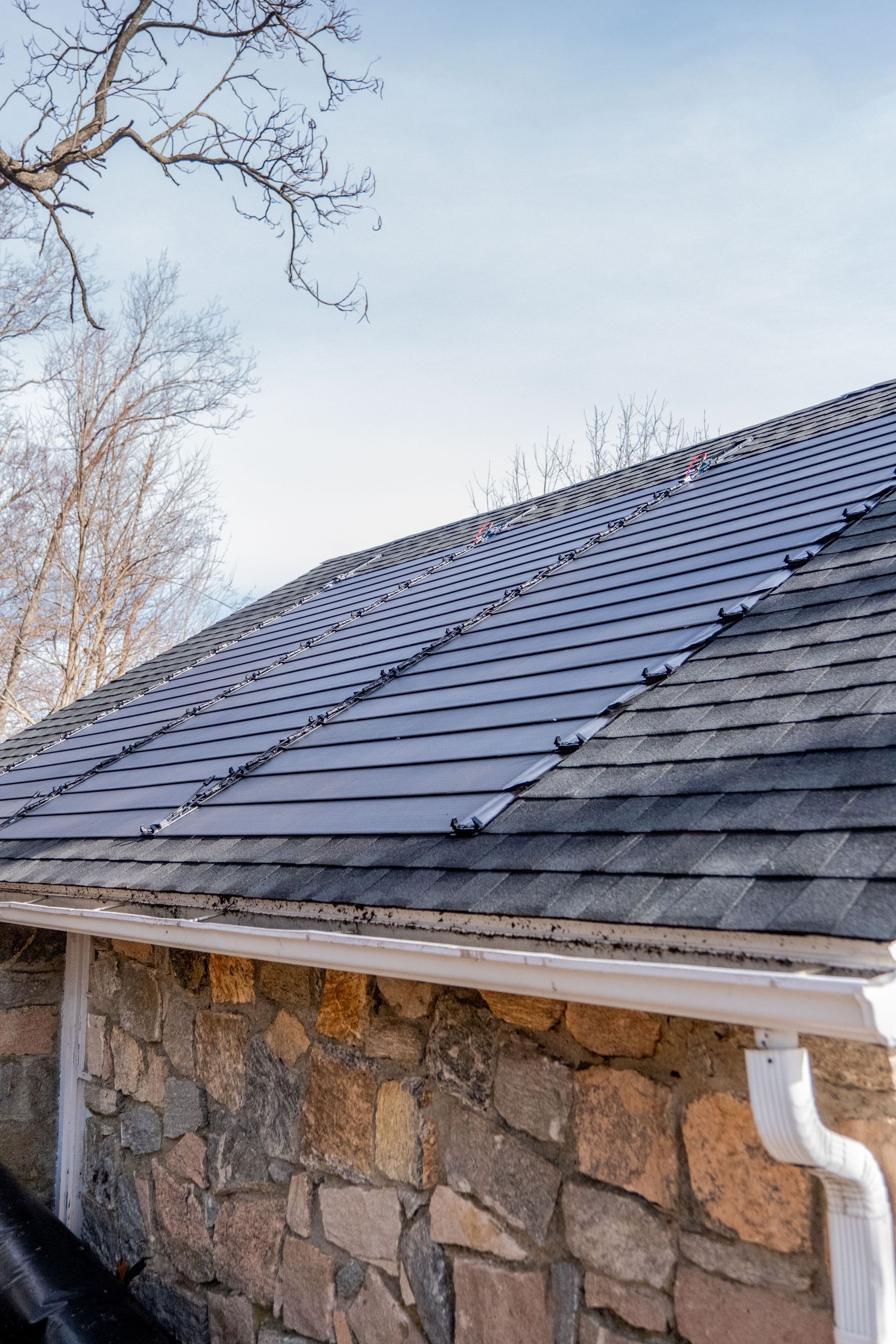
What Solar Shingles Cost in CT
The short answer: solar shingles are a premium product, typically costing more than a conventional roof and more than a comparable panel system, because they do two jobs at once. Here is how to think about it without getting lost in a single number.
A Combined Roof and Energy System
Solar shingles, sometimes called solar roof tiles, replace your roofing material while generating electricity. That means their cost bundles together what you would otherwise pay for a roof replacement and a solar installation.
Because of this, comparing them to panels alone is not quite fair. A more accurate comparison is solar shingles versus the combined cost of a new roof plus panels, which narrows the gap considerably.
Framing it this way changes the math for a lot of homeowners. If you were going to spend on a roof replacement regardless, the true premium for going solar is only the difference between solar shingles and that roof-plus-panels total, not the full sticker price of the shingles.
Why a Single Price Is Misleading
The total for a Connecticut home varies widely based on roof size, the amount of energy you want to generate, and roof complexity. A large or complex roof costs more, as does a system sized to cover more of your electricity use.
This is why any single figure is only a starting point. A proper assessment of your roof and energy needs is the only way to get a real number for your home.
Two neighbors with similar houses can end up with very different quotes based on roof shape, shading, and how much of their electricity they want to cover. That variability is normal for solar and is exactly why an on-site evaluation matters more here than for a standard roofing job.
What Affects the Cost
Several factors determine where a solar shingle project lands. Understanding them helps you make sense of an estimate and see where the cost is coming from.
The Main Price Drivers
These are the biggest factors shaping solar shingle cost.
- Roof size and area to be covered with solar shingles.
- System capacity, or how much electricity you want to generate.
- Roof complexity, including pitch, angles, dormers, and obstructions.
- Energy needs, since a larger household usually needs more capacity.
- Removal of the old roof and any repairs to the underlying structure.
Of these, system capacity and roof size usually drive the headline number the most, since together they determine how much solar shingle area you are buying and installing. Roof complexity and any needed structural repairs are the factors most likely to push a project above a simple estimate.
Roof Condition and Complexity
Because solar shingles are your roof, the condition and shape of your roof matter a great deal. A simple, sound roof is more straightforward than one with many angles, valleys, or existing damage.
If your roof needs structural repair first, that adds to the project. On the other hand, if you were already due for a roof replacement, the timing can make solar shingles more sensible, since you are replacing the roof anyway.
Complex rooflines also affect production, not just cost. A roof broken up by many angles, dormers, or shaded sections has less unbroken south-facing area for generating power, so the shape of your roof influences both what you pay and what you get back.
Solar Shingles vs Solar Panels on Cost
The most common question is how solar shingles compare to traditional panels on price. The straight answer involves a trade-off between upfront cost and appearance.
The Cost Difference
This table sums up how the two options generally compare for a Connecticut home.
| Factor | Solar Shingles | Solar Panels |
|---|---|---|
| Upfront cost | Higher | Lower |
| Appearance | Sleek, integrated | Mounted on top |
| Roof replacement | Included | Separate if needed |
| Best timing | With a new roof | Roof already in good shape |
Solar panels generally cost less upfront and can be added to an existing roof, while solar shingles cost more but replace your roof and blend in. Our deeper comparison of solar shingles versus solar panels walks through the full trade-offs.
Panels also have a longer track record and a wider range of products and installers, which can make them easier to source and service. Solar shingles are a newer, more specialized product, so availability and qualified installers are more limited, another practical factor in the comparison beyond price alone.
Which Makes Sense When
Panels often make the most financial sense if your roof is in good shape and you mainly want energy savings. Solar shingles shine when you need a new roof anyway or strongly prefer the integrated look.
For many Connecticut homeowners, the deciding factor is roof age. If your roof is near the end of its life, combining the replacement with solar shingles can be a smart, if premium, move.
If your roof still has many good years left, tearing it off early just to install solar shingles rarely pencils out, and panels let you go solar now without wasting that remaining roof life. Matching the decision to your roof's condition is what keeps the money sensible.
Incentives That Lower the Cost
The sticker price is not the whole story, because incentives can meaningfully reduce what you actually pay out of pocket. These are well worth factoring into any comparison.
Federal and State Support
Solar installations, including solar shingles, may qualify for federal tax credits, and Connecticut has had various state incentives and programs supporting residential solar. These can offset a significant portion of the cost.
Because programs change over time, it is worth checking current federal and Connecticut incentives when you plan. Our guide on whether a new roof qualifies for an energy tax credit covers related territory on the roofing side.
A qualified installer can also point you to the incentives that currently apply and help you understand the paperwork. Since these credits and programs directly change what you pay out of pocket, they belong in any real cost comparison rather than being treated as an afterthought.
The Long-Term Energy Savings
Beyond incentives, solar shingles reduce or offset your electricity bills over their lifespan. In a state with relatively high energy costs like Connecticut, that ongoing saving adds up.
When weighing cost, it helps to look at the full picture: upfront price, minus incentives, minus years of energy savings. That total is very different from the sticker price alone.
Over the decades-long lifespan of a solar roof, those energy savings can offset a large share of the initial investment. This is why solar shingles are best judged as a long-term financial decision rather than by their upfront number, which naturally looks steep on its own.
Are Solar Shingles Worth It in Connecticut?
Cost is only part of the decision. Whether solar shingles are worth it depends on your roof, your goals, and how you value the trade-offs between them and panels.
When They Make Sense
Solar shingles tend to make the most sense for homeowners who need a new roof anyway, want a clean integrated appearance, and plan to stay in their home long enough to benefit from the energy savings. They combine two projects into one.
For a home with a newer roof in good condition, traditional panels are often the more economical path to the same energy benefit. There is no single right answer; it depends on your situation.
It is also worth considering how long you plan to stay. Solar shingles are a long-term investment that pays back over many years, so they suit homeowners settled in their home, while someone likely to move soon may not recoup the premium before selling.
Connecticut Considerations
Connecticut gets enough sunlight to make solar worthwhile, even with real winters, and snow generally slides off or melts without ruining annual production. The state's energy costs also improve the payback compared to cheaper-energy regions.
That said, roof orientation, shading from trees, and your roof's shape all affect how much a solar roof will produce. A proper assessment accounts for all of this before you commit.
South-facing roof sections with minimal shading generate the most power, while heavily shaded or north-facing roofs produce less and may weaken the case for solar. This is exactly the kind of detail an on-site assessment evaluates, so you know what your specific roof can realistically deliver.
How to Plan and Budget
Once you understand the cost picture, planning a solar shingle project becomes clearer and less daunting. A few steps lead to an accurate number and a sound decision.
Get a Real Assessment
The essential step is a professional assessment of your roof and energy needs. This looks at your roof's size, shape, condition, and orientation, along with your electricity usage, to size a system and give an itemized estimate.
A good estimate should also spell out available incentives and projected energy savings, not just the upfront cost. That fuller picture is what lets you compare solar shingles fairly against panels or a standard roof.
Be cautious of any quote given without a real look at your roof and energy bills, since solar pricing depends so heavily on both. A trustworthy estimate is built from your actual roof measurements, orientation, and electricity usage, not a generic per-home figure.
Timing Your Project
Timing can significantly affect the value. If your roof is aging, coordinating a solar shingle project with a needed roof replacement avoids paying for roofing twice.
If your roof is newer, it may make more sense to add panels now and consider solar shingles far down the road when the roof is due. Thinking about roof age is central to getting the timing right.
Making a Confident Decision
Solar shingles in Connecticut are a premium option, generally costing more than a standard roof or traditional panels because they serve as both. The price depends on your roof size and complexity, system capacity, energy needs, and incentives, and the fairest comparison is against a new roof plus panels combined. They make the most sense when you need a new roof anyway and value the integrated look, while panels often win on pure economics for a sound existing roof.
At Artisan Roofing, we assess Connecticut roofs and explain clearly how solar shingles would fit yours and what they would cost. If you are weighing your options, reach out for a straightforward assessment with no pressure.
Frequently Asked Questions
How much do solar shingles cost in Connecticut?
Solar shingles are a premium product, typically costing more than a conventional roof and more than a comparable solar panel system, because they serve as both your roof and your power source. The total depends on roof size and complexity, system capacity, and your energy needs, so a professional assessment is the only way to get an accurate figure for your home.
Are solar shingles more expensive than solar panels?
Yes, upfront. Solar shingles generally cost more than traditional panels because they replace your entire roof rather than mounting on top of it. However, a fairer comparison is solar shingles versus the combined cost of a new roof plus panels, which narrows the difference, especially if you need a new roof anyway.
Do solar shingles qualify for incentives in Connecticut?
Often, yes. Solar installations, including solar shingles, may qualify for federal tax credits, and Connecticut has offered various state incentives for residential solar. Because these programs change, it is worth checking the current federal and state offerings when planning, as they can meaningfully reduce your net cost.
Are solar shingles worth it in Connecticut?
It depends on your situation. They make the most sense if you need a new roof anyway, want an integrated look, and plan to stay long enough to benefit from energy savings. If your roof is newer and in good shape, traditional panels are often the more economical way to get the same energy benefit.
Do solar shingles work in Connecticut winters?
Yes. Connecticut gets enough sunlight to make solar worthwhile despite real winters, and snow generally slides off or melts without ruining annual output. Roof orientation and shading matter more than the cold. A proper assessment estimates how much your specific roof would produce across the seasons.
Share this Post
Recent Blog Post