Metal Roof vs. Asphalt Shingles: Which Is Right for Your CT Home?
June 29, 2026
For most Connecticut homeowners, asphalt shingles cost less upfront and look familiar in nearly every neighborhood, while metal roofs cost more to install but last two to three times longer and handle snow, ice, and high wind better over the long run. The right choice depends on how long you plan to stay in the home, your budget, your roof's shape, and what you want it to look like from the curb.
As a Connecticut roofing contractor that installs metal roofs alongside asphalt shingles, we see how each material performs through real CT winters, nor'easters, and humid summers. The breakdown below covers the differences that actually matter when you have to decide.
In This Guide
- What Makes Connecticut Tough on Any Roof
- Metal Roofing in Connecticut: The Basics
- Asphalt Shingles in Connecticut: The Basics
- Side-by-Side Comparison
- Common Myths About Metal Roofs
- When Asphalt Is the Better Choice
- When Metal Is Worth the Investment
- Installation, Maintenance, and Warranty
- How to Decide for Your CT Home
- FAQ
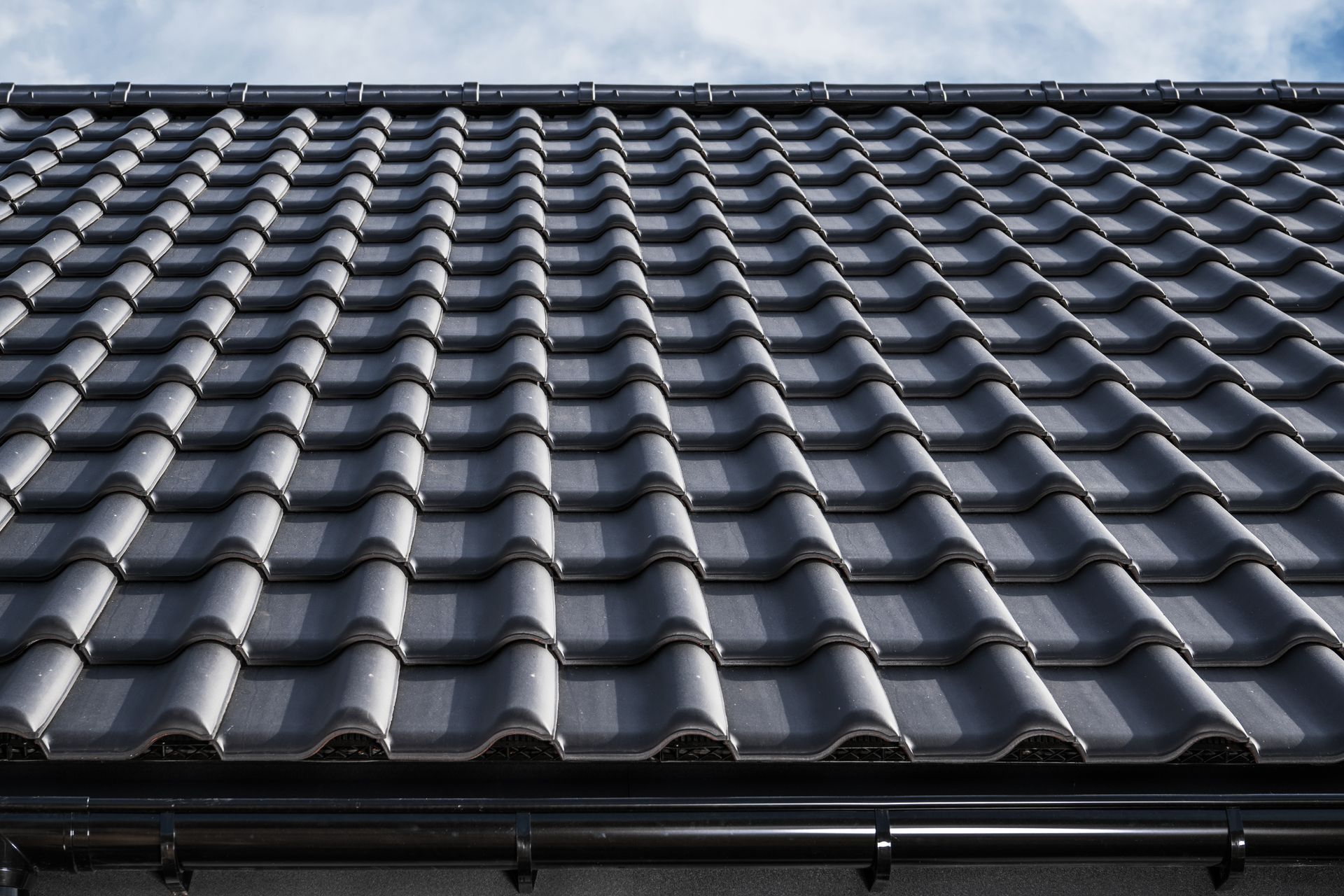
What Makes Connecticut Tough on Any Roof
Connecticut sits in one of the most demanding roofing climates in the country. Your roof has to handle snow load, ice dams, freeze-thaw cycles, heavy spring rain, hurricane-force coastal gusts, and humid summers, often all in the same year. That weather mix is the first thing to consider before picking any material.
Snow, Ice, and Freeze-Thaw Cycles
Snow piles up, melts during the day, and refreezes overnight. That cycle drives water under shingle edges and into flashing seams. A roof that handles this well sheds snow quickly, has tight seams, and keeps water moving toward the gutters.
Metal handles freeze-thaw cycles well because snow slides off smooth panels and the material itself does not absorb moisture. Asphalt shingles can also handle CT winters when installed correctly with quality underlayment and ice and water shield, but they trap snow longer and rely more on attic ventilation to prevent ice dams.
Wind, Storms, and Coastal Exposure
CT homes near the shore deal with salt air and stronger gusts. Inland homes still get nor'easters, microbursts, and the occasional tropical system. Both metal and asphalt can be rated for high winds, but the rating only matters if the roof is installed to manufacturer spec.
For a deeper look at how wind ratings work, see our guide on
how much wind a roof can withstand.
Metal Roofing in Connecticut: The Basics
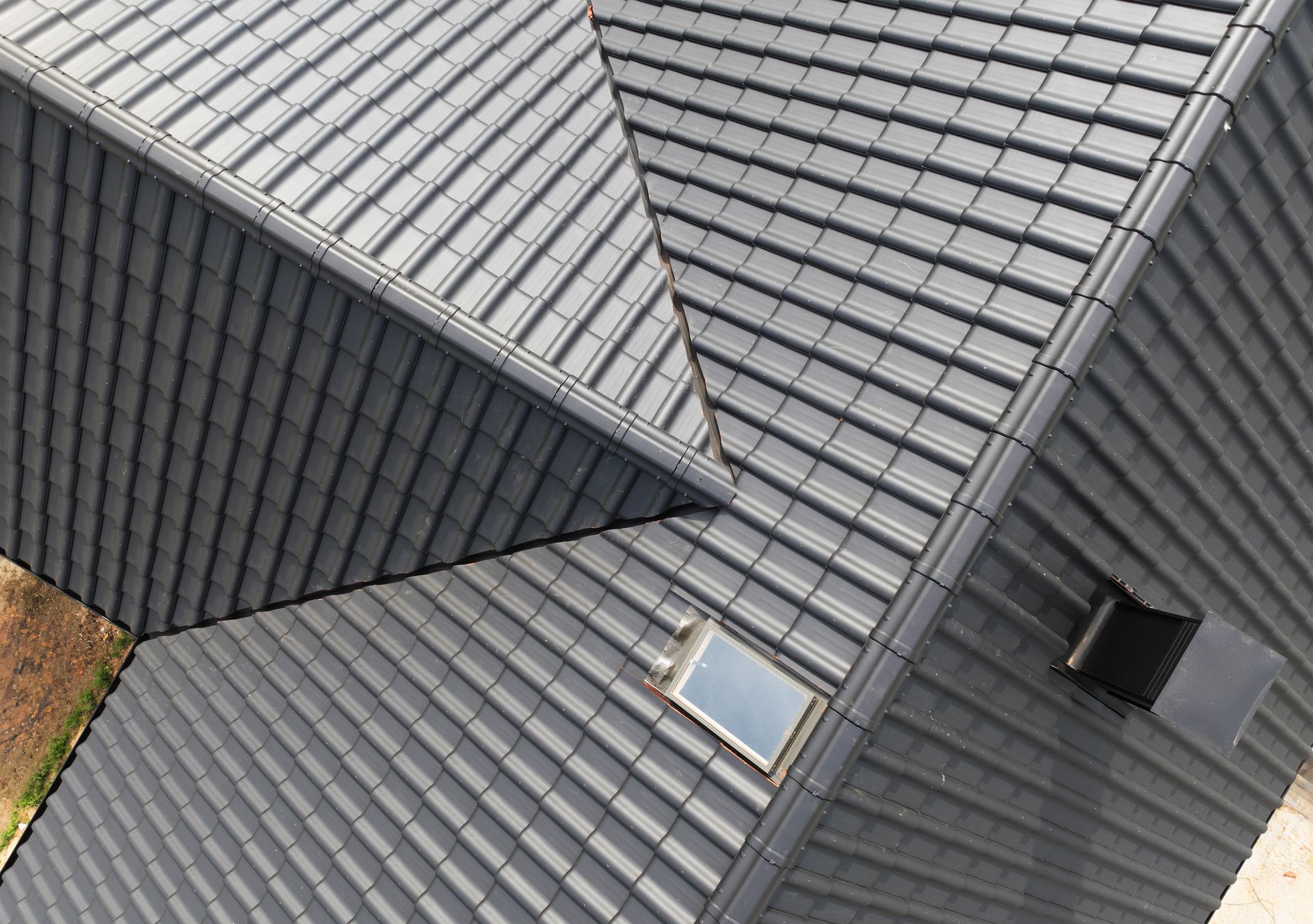
Metal roofs are made from steel, aluminum, copper, or zinc and come in panels or shingle-style pieces. They are engineered to last 40 to 70 years depending on the metal and coating. In Connecticut, standing seam steel and aluminum are the two most common choices.
Types of Metal Roofing for CT Homes
Each style serves a different look and budget:
- Standing seam: Long vertical panels with raised seams. Sleek modern look, top performance against wind and ice, premium price point.
- Metal shingles: Pressed panels that mimic slate, wood shake, or traditional shingles. Better fit for colonial and historic homes.
- Corrugated metal: Most often used on barns, sheds, and rural properties rather than primary residences.
- Stone-coated steel: Steel panels with a textured stone coating. Combines metal durability with a more traditional appearance.
How Metal Roofs Handle CT Winters
Metal roofs perform especially well in heavy snow regions because snow tends to slide off rather than build up. That reduces the chance of ice dams forming at the eaves. The slick surface and tight seams also resist water intrusion when snow melts and refreezes.
The trade-off is that snow sliding off in large sheets can damage gutters, landscaping, or anything parked below. Snow guards solve that problem and are standard on most CT metal roof installations.
Asphalt Shingles in Connecticut: The Basics
Asphalt shingles are the most common roofing material in Connecticut for good reason. They are affordable, available in many styles and colors, and almost every local contractor knows how to install them well. A quality asphalt roof lasts 20 to 30 years in CT conditions when installed properly.
Types of Asphalt Shingles Available
The three main categories homeowners choose between:
- Three-tab shingles: The oldest and least expensive option. Flat appearance, shorter lifespan, mostly used on budget builds or rentals now.
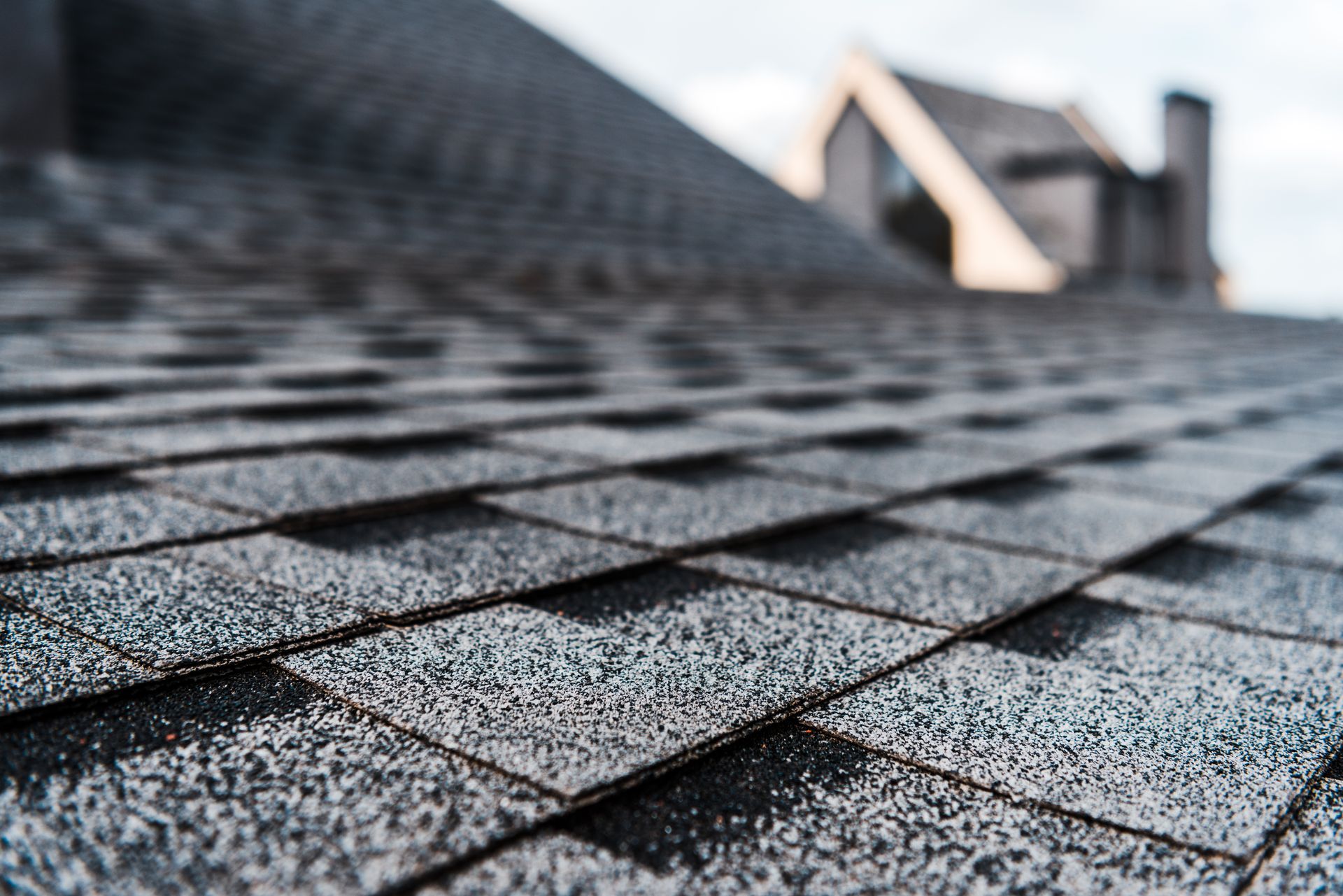
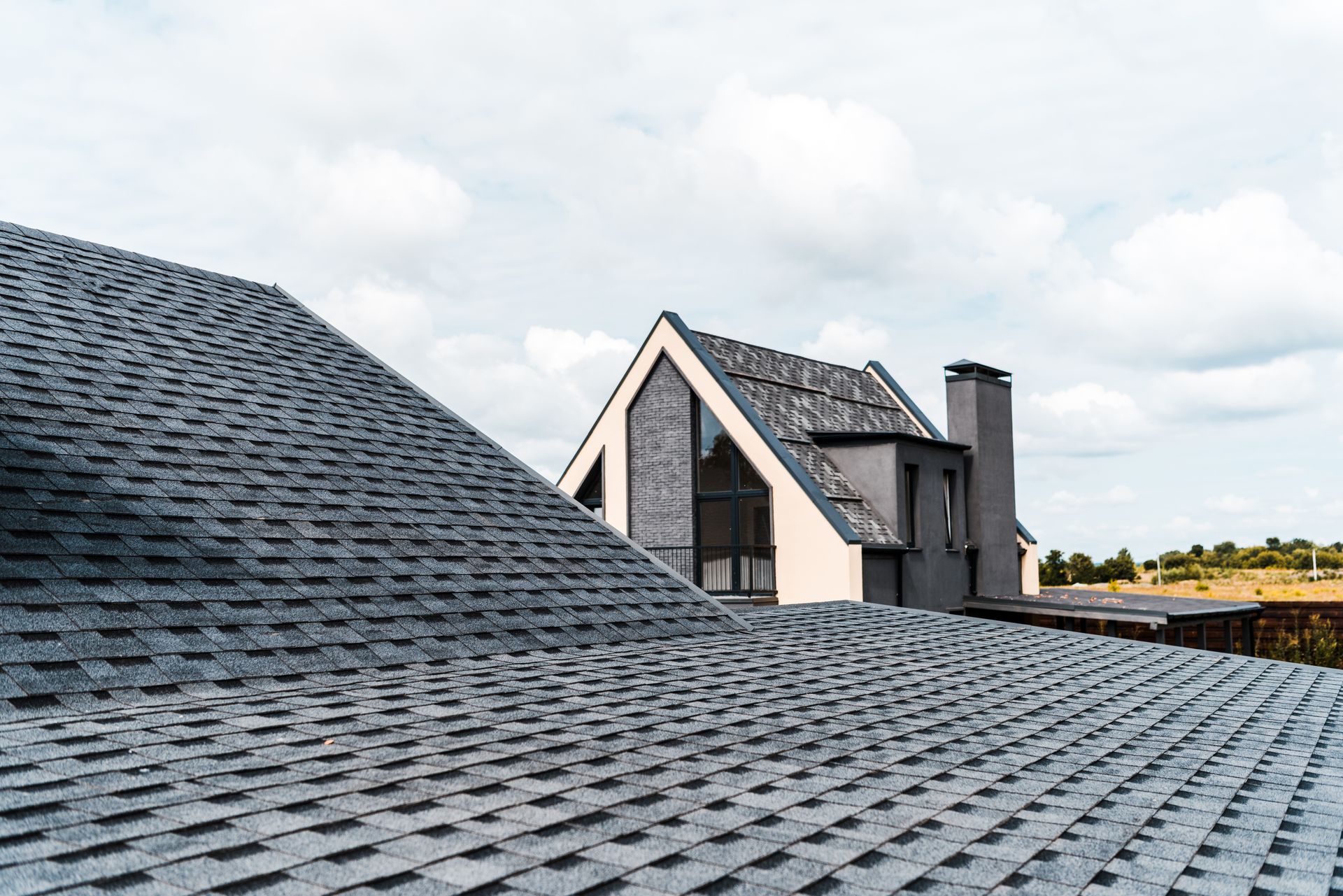
- Architectural (dimensional) shingles: The standard choice for most CT homes today. Thicker, layered profile that adds depth and resists wind better.
- Premium or designer shingles: Heavy laminated shingles that mimic slate or cedar shake. Highest price point in the asphalt category, longest expected lifespan.
For a deeper look at what to expect from a shingle install, see our guide on asphalt shingle roof replacement in CT.
How Asphalt Holds Up in Connecticut
Modern architectural shingles handle CT weather well when paired with proper attic ventilation, ice and water shield at the eaves, and quality underlayment. The biggest threats to asphalt are heat-driven aging, granule loss from heavy rain, and wind uplift on aging shingles.
Most CT asphalt roofs need attention around year 20 to 25, especially on south-facing slopes that get more sun. For typical lifespan numbers by shingle type, see
how long asphalt shingles last in CT.
Side-by-Side Comparison: Metal vs. Asphalt in CT
The clearest way to weigh the two is feature by feature. Here is how they stack up for a typical Connecticut home:
| Feature | Metal Roof | Asphalt Shingles |
|---|---|---|
| Average lifespan | 40 to 70 years | 20 to 30 years |
| Upfront cost | 2 to 3 times higher | Lowest cost per square foot |
| Wind resistance | Up to 140 mph rated systems | Up to 130 mph with premium shingles |
| Fire rating | Class A (non-combustible) | Class A with fiberglass mat |
| Snow shedding | Excellent (slides off) | Moderate (holds snow longer) |
| Ice dam risk | Low | Moderate (depends on ventilation) |
| Energy efficiency | Reflects heat, reduces cooling costs | Standard absorption, less reflective |
| Maintenance needs | Minimal | Annual inspection recommended |
| Curb appeal | Modern or specialty look | Traditional, widely accepted |
| Resale value | Strong, especially in upgraded markets | Standard, easy to appraise |
| Repair complexity | Specialized labor needed | Most CT roofers can repair |
Cost Differences Upfront and Long-Term
Asphalt shingles win the upfront cost comparison every time. A typical asphalt roof on a 2,000 square foot CT home costs significantly less than the same home in standing seam metal.
The long-term math changes when you factor in lifespan. A metal roof installed today may outlast two full asphalt roofs in the same period. If you plan to stay in your home long-term, the cost per year of service often favors metal. If you might sell within 10 to 15 years, asphalt usually makes more financial sense.
For broader cost factors, see our guide on roof replacement cost in CT.
Lifespan and Durability
Metal beats asphalt on lifespan in almost every measure. Steel and aluminum panels routinely last 50 years or more in CT conditions. Premium architectural asphalt shingles top out around 30 years, and most CT homeowners replace them sooner due to weather stress.
That said, a poorly installed metal roof can fail faster than a well-installed asphalt roof. Installation quality matters more than material in many cases.
Energy Efficiency and Insulation
Metal roofs reflect more solar heat than asphalt, which can lower summer cooling bills. Some metal systems also qualify for federal energy tax credits when paired with the right coatings, which we cover in our energy tax credit guide.
Asphalt shingles absorb more heat but are not energy losers. Proper attic ventilation and insulation matter more for overall home energy use than the roof material alone.
Appearance and Resale Value
This one is personal. Asphalt blends into almost every CT neighborhood. Metal stands out, which can be a feature or a problem depending on the street, the HOA, and the style of the home. Stone-coated steel and metal shingle styles bridge the gap for homeowners who want metal durability with a traditional look.
Common Myths About Metal Roofs
A lot of CT homeowners hesitate on metal because of things they have heard rather than things they have seen. Here are the most common myths and the reality behind each.
Noise During Rain and Hail
The idea that metal roofs are loud during rain comes from old barn roofs installed without insulation or attic space below. A modern metal roof installed on a home with sheathing, underlayment, and attic insulation is no louder than asphalt during a storm. Most homeowners cannot tell the difference once they are inside.
Lightning, Hail, and Heat Concerns
Metal does not attract lightning any more than other materials. If lightning does strike, metal disperses the energy across the surface rather than igniting, which is actually safer than wood or asphalt. Hail can dent metal, but most modern panels are rated for hail impact, and dents rarely affect performance.
Heat absorption is also misunderstood. Painted and coated metal panels reflect more solar heat than asphalt, which keeps the attic cooler in summer.
When Asphalt Shingles Are the Better Choice
Metal is not always the right answer. There are real situations where asphalt makes more sense for a CT homeowner.
Budget-Conscious Replacements
If your roof is leaking now and the budget is tight, quality architectural asphalt shingles get you a 25 to 30 year roof at less than half the cost of metal. That gap is real, and for many families it is the difference between fixing the problem now and putting it off.
Matching Neighborhood Aesthetics
In historic CT towns and HOA-controlled neighborhoods, asphalt or designer shingles may be the only approved option. Some shingle styles also mimic slate or shake well enough to satisfy strict design rules.
Faster Installation Timelines
Asphalt installs faster, and more CT contractors are equipped to handle it. If you need a roof replaced before winter and the calendar is tight, asphalt usually has shorter lead times.
When Metal Roofing Is Worth the Investment
For some CT homes, metal is the clear long-term winner.
Long-Term Homeowners
If you plan to stay in your home for 20 years or more, the math on metal works. You pay more once instead of paying for two roofs over the same period, and you skip the disruption of a second tear-off.
Steep or Complex Roof Designs
Steep pitches and complex rooflines that are hard to access for repairs benefit from metal's longer service life. Fewer repairs over time means fewer trips up high.
Energy-Efficient Home Goals
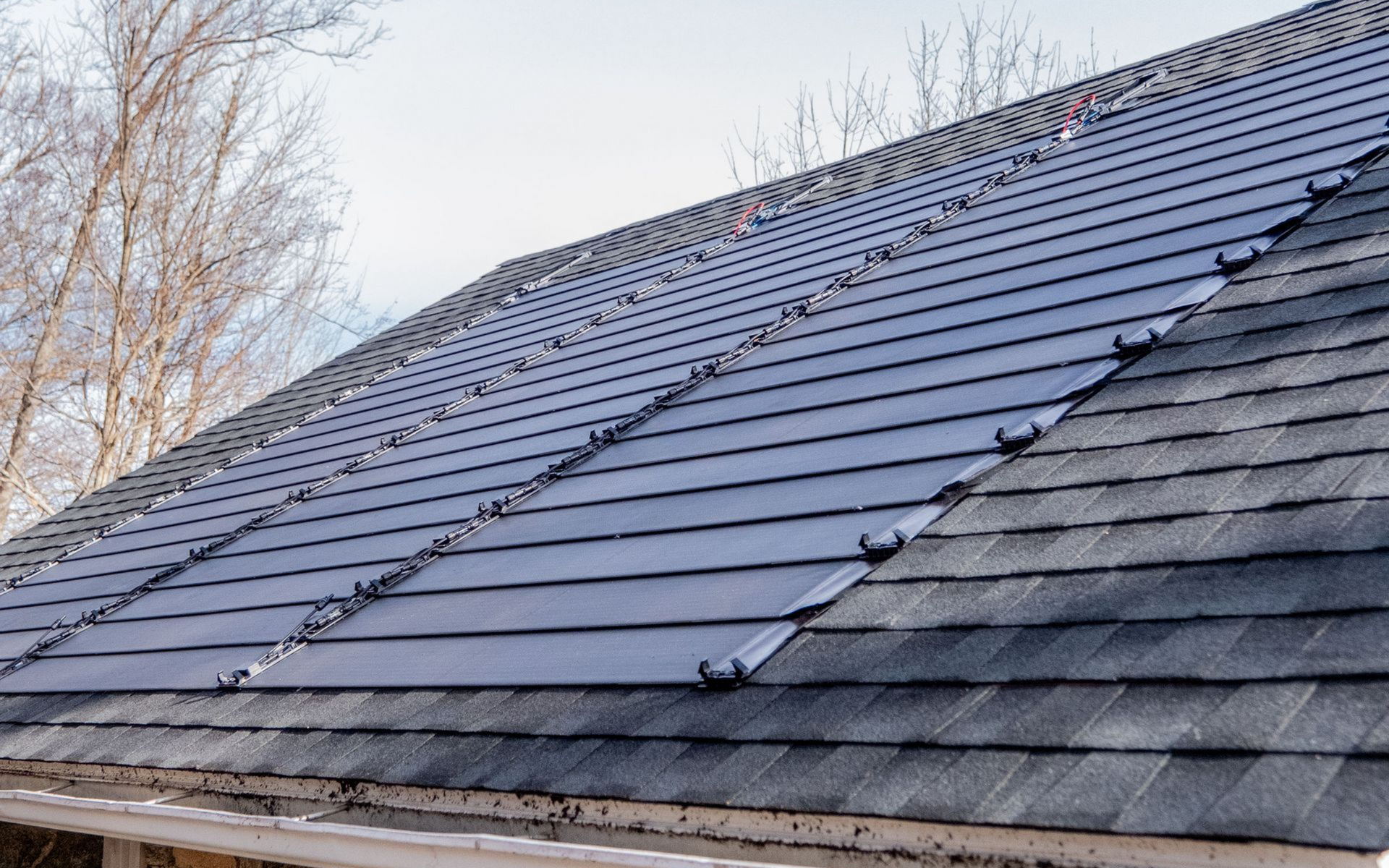
If you are pursuing solar, low energy bills, or a green building rating, metal pairs well with these goals. Metal roofs work well with solar panel mounts and reflect more heat than darker asphalt. For more on solar options, see
solar shingles vs solar panels in Connecticut.
Installation, Maintenance, and Warranty Differences
Material is only half the story. How a roof is installed and maintained is what determines whether it lasts.
What to Expect During Installation
Asphalt installation is faster, often completed in one to three days for a typical CT home. Metal installation takes longer because panels are custom-cut, seams are field-formed, and flashing details require more precision.
Both materials require the same prep: tear-off of the old roof (in most cases), inspection and repair of the decking, ice and water shield at vulnerable areas, and proper ventilation.
Maintenance Requirements for Each Material
Asphalt needs more attention over time:
- Annual visual inspection for missing or lifted shingles
- Gutter cleaning to prevent water backup
- Moss and algae treatment in shaded areas
- Caulking and flashing checks every few years
Metal needs less ongoing care:
- Periodic check for loose fasteners and sealants at seams
- Inspection of flashing at chimneys and skylights
- Clearing debris from valleys
- Touch-up paint on coated panels every 10 to 20 years
For broader maintenance guidance, see our asphalt roof maintenance checklist.
Warranty Coverage and What It Means
Most asphalt shingle manufacturers offer 25 to 50 year material warranties, with the strongest coverage during the first 10 to 15 years. Metal manufacturers offer 30 to 50 year finish warranties plus longer material warranties on the steel or aluminum itself.
Both warranties only stay valid if the roof is installed to manufacturer spec by a qualified contractor. That is one more reason to vet your installer carefully. Our guide on
how to choose a roofing contractor in CT walks through what to look for.
How to Decide Between Metal and Asphalt
Use this checklist to narrow down your choice:
- How long will you stay in the home? Twenty years or more leans metal. Under 15 years leans asphalt.
- What is your budget today? If the gap between materials is more than you can comfortably cover, asphalt is the right call.
- What is your roof's shape and pitch? Complex designs and steep pitches favor metal for long-term access reasons.
- What does your neighborhood look like? Historic districts and HOAs may limit your choices.
- Do you want a quieter install or longer-term value? Asphalt installs faster. Metal lasts longer.
- Are energy savings a priority? Metal reflects more heat and pairs better with solar.
- Do you already have ventilation and insulation issues? Fix those first. Either material will fail early if attic conditions are bad. See attic condensation in CT for what to check.
Most CT homeowners land on asphalt because of cost and familiarity. Many who choose metal say they wish they had done it sooner. Both are right choices for the right situation.
Frequently Asked Questions
Are metal roofs noisy in the rain on Connecticut homes?
No, not when installed over a properly insulated attic with sheathing and underlayment. Modern metal roofs sound about the same as asphalt during rain or hail from inside the home.
Does a metal roof increase home value in CT?
Often yes, especially in higher-end markets and on homes where the architecture suits a standing seam or stone-coated look. Buyers value the long lifespan and lower maintenance.
Will a metal roof attract lightning?
No. Metal does not increase the chance of a lightning strike. If a strike does happen, metal disperses the energy more safely than wood or asphalt.
How long does an asphalt shingle roof last in Connecticut?
A quality architectural shingle roof usually lasts 20 to 30 years in CT, depending on attic ventilation, sun exposure, and storm damage history.
Can I install metal over an existing asphalt roof?
In some cases yes, but only with proper underlayment, a sound deck below, and code approval. Most quality installs still start with a full tear-off so the contractor can inspect the deck and flashing.
Choosing the Right Roof for Your Connecticut Home
Both metal and asphalt are good choices when matched to the right home, budget, and goals. Asphalt is the safe, affordable, familiar choice. Metal is the long-term investment that pays back over decades.
If you are weighing the two for your CT home and want a straight, no-pressure assessment, we can walk your roof, talk through the trade-offs, and give you a written estimate for both options. Explore our
metal roofing service and
asphalt shingle roof replacement service for more on what each install looks like, or contact Artisan Roofing CT to schedule an inspection.
Share this Post
Recent Blog Post