When Is the Best Time to Replace a Roof in CT? Spring vs Summer
June 1, 2026
After installing and replacing roofs across Connecticut for years, our team has worked through every season this state can throw at a project. We've installed shingles on cool spring mornings, in the middle of August heat waves, and during late-October scrambles before the first snow. That hands-on experience is why we can give you a clear answer: the best time to replace a roof in Connecticut is late spring through early fall, with late spring and early fall offering the most stable weather for installation. Below, we'll break down how spring and summer compare, when fall and winter make sense, and how to plan a smooth replacement.
The Best Time to Replace a Roof in Connecticut
If you want the short version: aim for late April through early June, or mid-September through October. These windows give you dry conditions, moderate temperatures, and shingles that seal properly without baking in the sun.
Why Timing Matters for Roof Replacement
Roofing is weather-sensitive work. Temperature, humidity, and moisture all affect how well your new roof goes on and how long it lasts. Asphalt shingles, the most common material used in Connecticut homes, need warm enough days to soften and bond, but not so hot that they get damaged during installation. Timing also affects how quickly contractors can get to your project and how smooth the schedule goes.
How Connecticut Weather Affects Roofing Projects
Connecticut sees four real seasons. Winters bring snow, ice, and freezing temperatures. Summers can be humid and hot, sometimes hitting the upper 90s. Spring is wet but mild, and fall is cool, dry, and often the best time for outdoor work. Each season has trade-offs that affect cost, scheduling, and installation quality.
The Best Overall Season for Roof Replacement in CT
For most homeowners,
early fall is the best season overall. The weather is steady, rain is less frequent than in spring, and shingles seal well in cool but not cold temperatures. Late spring is a close second. Both windows let you avoid the rush, the heat, and the winter risks that come with waiting too long.
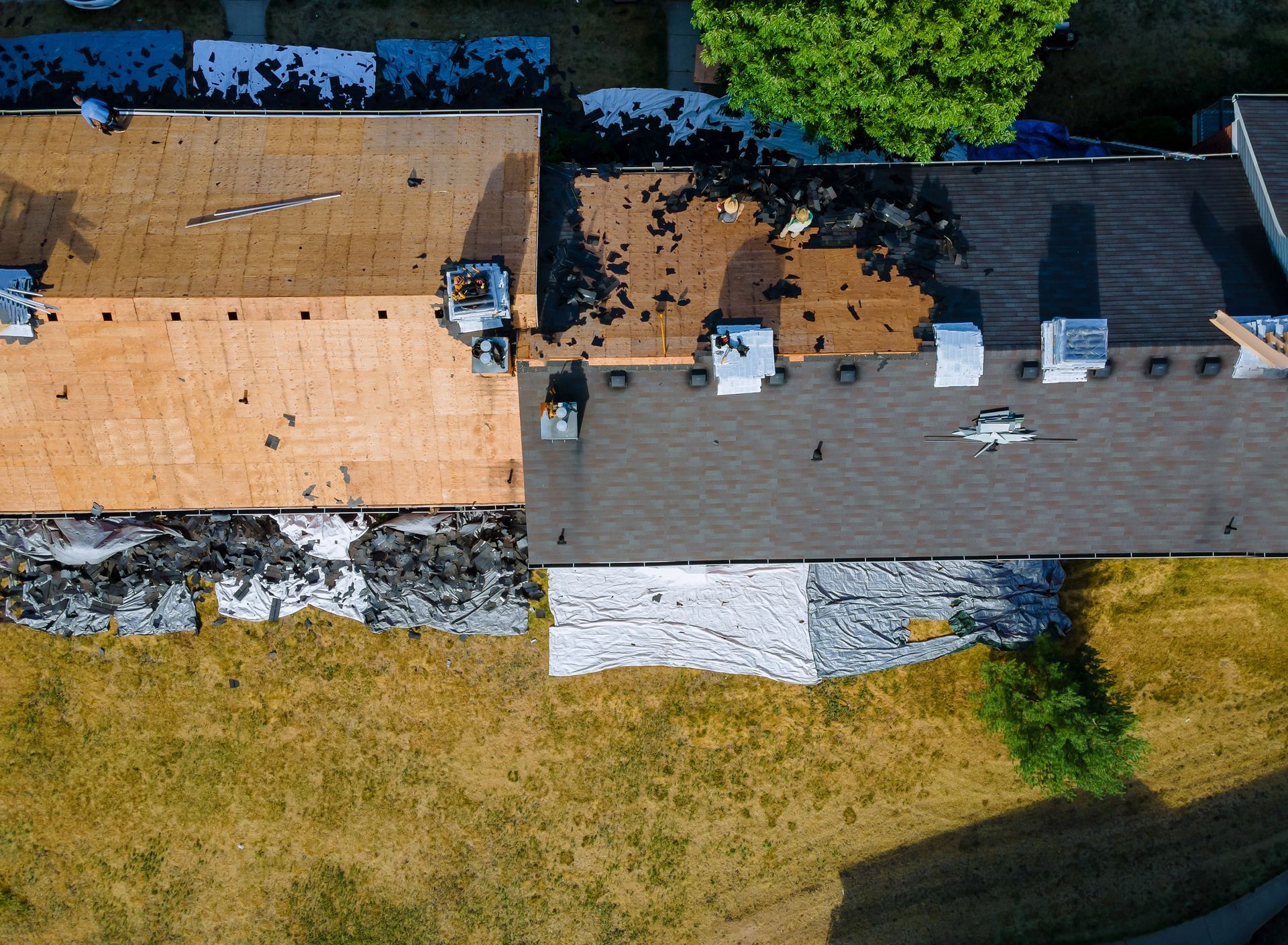
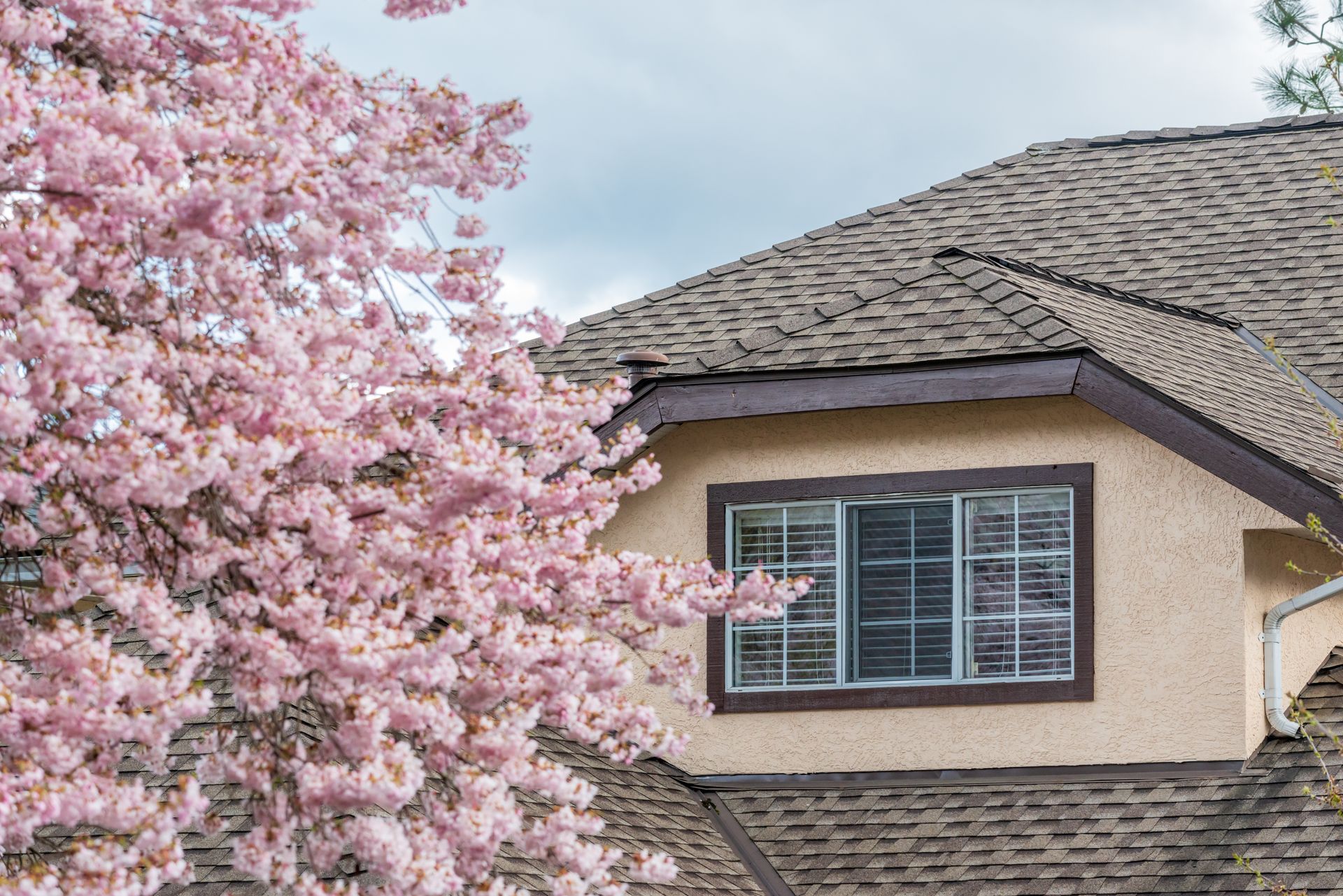
Spring Roof Replacement in Connecticut
Spring is when most homeowners start thinking about their roof. Winter damage shows up, and warmer weather makes outdoor projects feel possible again.
Why Spring Is a Strong Time to Replace Your Roof
Spring offers several real benefits for roof replacement:
- Moderate temperatures that are easier on crews and on shingles
- Early access to contractors before summer schedules fill up
- Time to fix winter damage before another rainy season hits
- Cooler attic temperatures, which means less heat stress on workers
- Better pricing flexibility since demand has not yet peaked
If you noticed leaks, missing shingles, or water stains during winter, spring is a smart time to act. It's also a strong season for spring roof maintenance if your roof is in decent shape and you want to extend its life.
Common Spring Roofing Challenges
Spring is not perfect. Connecticut springs can be rainy and unpredictable, which slows projects down.
Rain Delays, Contractor Scheduling, and Post-Winter Damage
Heavy spring rain can push installation dates back by days or even weeks. Reliable contractors will not install a roof in wet conditions because moisture trapped under shingles can lead to long-term damage. On top of that, many homeowners book in early spring at the same time, so scheduling can tighten quickly. Post-winter damage may also reveal hidden issues like rotted decking, which can add time and cost to the job.
Summer Roof Replacement in Connecticut
Summer is the busiest season for Connecticut roofers. The weather is dry, the days are long, and homeowners are ready to move on projects.
Why Summer Is Popular for Roof Replacement
Summer has clear advantages:
- Long daylight hours that let crews complete projects faster
- Dry conditions with fewer rain delays
- Predictable scheduling once you secure a date
- Good shingle sealing in warm, sunny weather
For homeowners who waited out the winter, summer feels like the natural time to get it done.
The Downsides of Replacing a Roof in Peak Summer
Peak summer in Connecticut, especially July and August, comes with real drawbacks.
Heat, High Demand, and Asphalt Shingle Installation Conditions
When temperatures climb above 90 degrees, asphalt shingles can become soft and easier to scuff during installation. Crews also work slower in extreme heat to stay safe, which can stretch the project timeline. Demand peaks in summer, so contractor availability shrinks and prices may be less flexible. If you wait until July to book a project, you may not get a date until late August or September.
Spring vs Summer: Which Is Better for Roof Replacement?
Both seasons work well, but they each fit different homeowners. Here is a side-by-side breakdown.
| Factor | Spring | Summer |
|---|---|---|
| Weather Conditions | Mild but rainy | Warm and dry, sometimes too hot |
| Contractor Availability | Good in early spring | Tighter, especially July–August |
| Project Timeline | Risk of rain delays | Faster once started |
| Material Performance | Shingles seal well in mild temps | Shingles seal fast in heat, but soft shingles scuff easier |
| Cost and Scheduling Flexibility | More flexible early in the season | Less flexible during peak demand |
Weather Conditions
Spring brings rain. Summer brings heat. Both can be managed by an experienced crew, but spring delays are more common.
Contractor Availability
If you book in March or April, you usually have more choice. By June, most roofing companies are filling up fast.
Project Timeline
A typical residential roof replacement takes one to three days. Summer projects tend to stay on schedule. Spring projects may stretch if storms roll through.
Material Performance
Asphalt shingles seal best between 45 and 85 degrees. Spring and early summer hit that range often. Mid-summer can push past it.
Cost and Scheduling Flexibility
Booking outside of peak demand usually gives you more room to negotiate timing. Early spring and early fall are your best shots.
What About Fall and Winter Roof Replacement?
Fall and winter are often overlooked, but one of them might actually be your best option.
Why Fall May Be the Best Season Overall
Fall, especially September and October, may be the ideal time to replace a roof in Connecticut. Here is why:
- Cool, stable weather with fewer rainstorms than spring
- Excellent shingle sealing temperatures in the 50s and 60s
- Lower demand than summer in some areas
- Roof is ready before winter snow and ice arrive
If you can plan ahead, booking a fall project is often the smartest move.
Why Winter Roof Replacement Is Usually Less Ideal
Winter roof replacement in Connecticut is rare for good reason. Cold temperatures make shingles brittle, and the adhesive strips need warmth to seal properly. Snow and ice also create safety risks for crews and can damage exposed decking during the project. For a closer look at when it can still make sense, see our guide on roof replacement in winter in Connecticut.
Emergency Roof Replacement During Cold Weather
Sometimes you cannot wait. Storm damage, severe leaks, or sudden roof failure may force a winter replacement. In those cases, experienced contractors use hand-sealing methods and choose specific shingle products rated for cold-weather installation. It can be done, but it should only be done when waiting would cause more damage. If a storm is the reason, our storm damage roof repair team can help you act fast.
Signs You Should Replace Your Roof Before the Season Changes
If your roof shows any of the following signs, don't wait for the perfect season. A failing roof in Connecticut weather can cause far more damage than a slightly less ideal installation window.
Missing, Cracked, or Curling Shingles
Shingles that lift, curl at the edges, or have cracks down the middle no longer protect your home. High winds can tear them off completely during the next storm.
Roof Leaks or Interior Water Stains
Water stains on ceilings or walls usually mean water is already getting through your roof. Once water reaches the decking and insulation, repair costs climb fast.
Granule Loss, Sagging, or Storm Damage
Bare spots on shingles, large piles of granules in gutters, or a roofline that sags in any direction all point to a roof at the end of its life.
An Aging Roof Near the End of Its Lifespan
Most asphalt shingle roofs in Connecticut last 20 to 25 years. If yours is in that range and showing wear, plan your replacement before something fails.
How to Plan Your Roof Replacement in Connecticut
A smooth roof replacement starts with planning. Here is a simple step-by-step approach.
Schedule a Roof Inspection Early
Have a qualified roofing contractor inspect your roof at least two to three months before you plan to replace it. The inspection will confirm the scope of work, flag any hidden issues, and help you get an accurate quote.
Book Before Peak Roofing Season
Connecticut roofers typically book up by mid-summer. To lock in your ideal date:
- Get inspections done in late winter or early spring
- Compare quotes from at least two licensed roofers
- Sign your contract and pick a date 6 to 8 weeks ahead
- Confirm material orders before the install date
Early booking gives you better dates, better pricing, and more time to prepare.
Prepare Your Home Before Installation Day
A few simple steps make installation day easier on you and your crew:
- Move vehicles out of the driveway
- Remove fragile items from walls and shelves (vibration can knock things loose)
- Cover items in the attic with sheets or tarps
- Trim back tree branches near the roof
- Keep kids and pets indoors during work hours
Final Thoughts: When Should You Replace Your Roof in CT?
The right time to replace your roof depends on your timeline, your roof's current condition, and how much flexibility you have.
Best Season for Planned Roof Replacement
For a planned project, late spring (May to early June) or early fall (September to October) offer the most balanced conditions in Connecticut. You get mild weather, good shingle sealing temperatures, and contractor availability without paying peak-summer rates.
When You Should Not Wait to Replace Your Roof
If your roof is leaking, missing shingles, sagging, or near the end of its lifespan, do not wait for the ideal season. Connecticut winters are tough on weak roofs, and small problems can turn into expensive repairs after one bad storm. An experienced roofing contractor can replace your roof safely in almost any season when it's truly needed.
When you're ready to start planning, the best first step is a professional roof inspection. From there, you can pick the season that fits your needs and book your roof replacement with confidence.
Frequently Asked Questions
How long does a typical roof replacement take in Connecticut?
Most residential roof replacements in Connecticut take one to three days. Smaller, simple roofs can be done in a single day, while larger homes, steep roofs, or roofs with multiple layers may take longer. Weather, hidden decking damage, and the size of the crew also affect the timeline.
Can a roof be replaced in the rain?
No. Reputable roofing contractors will not install a roof during rain. Moisture can get trapped under shingles or soak into the wood decking, which leads to mold, rot, and shortened roof life. If rain is in the forecast, your contractor should reschedule or pause the job and tarp the exposed sections to keep your home protected.
Is it cheaper to replace a roof in the off-season in Connecticut?
It can be. Late fall and early spring are slower times for most Connecticut roofers, which means more scheduling flexibility and sometimes better pricing. Peak summer demand often comes with firmer pricing and longer wait times. If you can plan ahead and book outside of June through August, you may save money and lock in a faster start date. For a deeper look at pricing, see our breakdown of roof replacement cost in CT.
Can I stay in my home during a roof replacement?
Yes. Most homeowners stay in their home during a roof replacement. The work happens outside, so the inside of your home stays usable. You should expect loud noise, vibration, and crew activity throughout the day, so people who work from home or have young children or pets may want to plan around the install. Move vehicles out of the driveway and cover anything fragile in the attic before work begins.
Should I repair my roof or replace it?
If your roof is under 15 years old and the damage is in one small area, a repair usually makes sense. If your roof is approaching 20 years, has multiple problem spots, or shows signs like sagging, widespread granule loss, or interior leaks, replacement is almost always the better long-term choice. A qualified roofing inspection can confirm which option fits your home. For a closer look at the trade-offs, see our guide on roof repair vs replacement in CT.
Share this Post
Recent Blog Post