Solar Shingles vs. Solar Panels: What Connecticut Homeowners Should Know
June 1, 2026
As a Connecticut roofing company that installs both traditional asphalt roofs and integrated solar shingle systems, our team has had a front-row seat to how solar has evolved on local homes. We've walked roofs with bolted-on panels, installed GAF Timberline Solar shingles on full roof replacements, and helped homeowners think through whether solar is even the right move for their roof's age and orientation. That perspective is why we can give you a clear, upfront answer: for most Connecticut homes, traditional solar panels still offer the most energy per dollar, but solar shingles are the smarter choice if you're already replacing your roof or want a fully integrated, low-profile look. Below, we'll break down how each option works, where they differ, and how to decide which one fits your home and budget.
What's the Difference Between Solar Shingles and Solar Panels?
Both systems do the same job: turn sunlight into electricity for your home. They just do it in very different ways.
How Solar Shingles Work
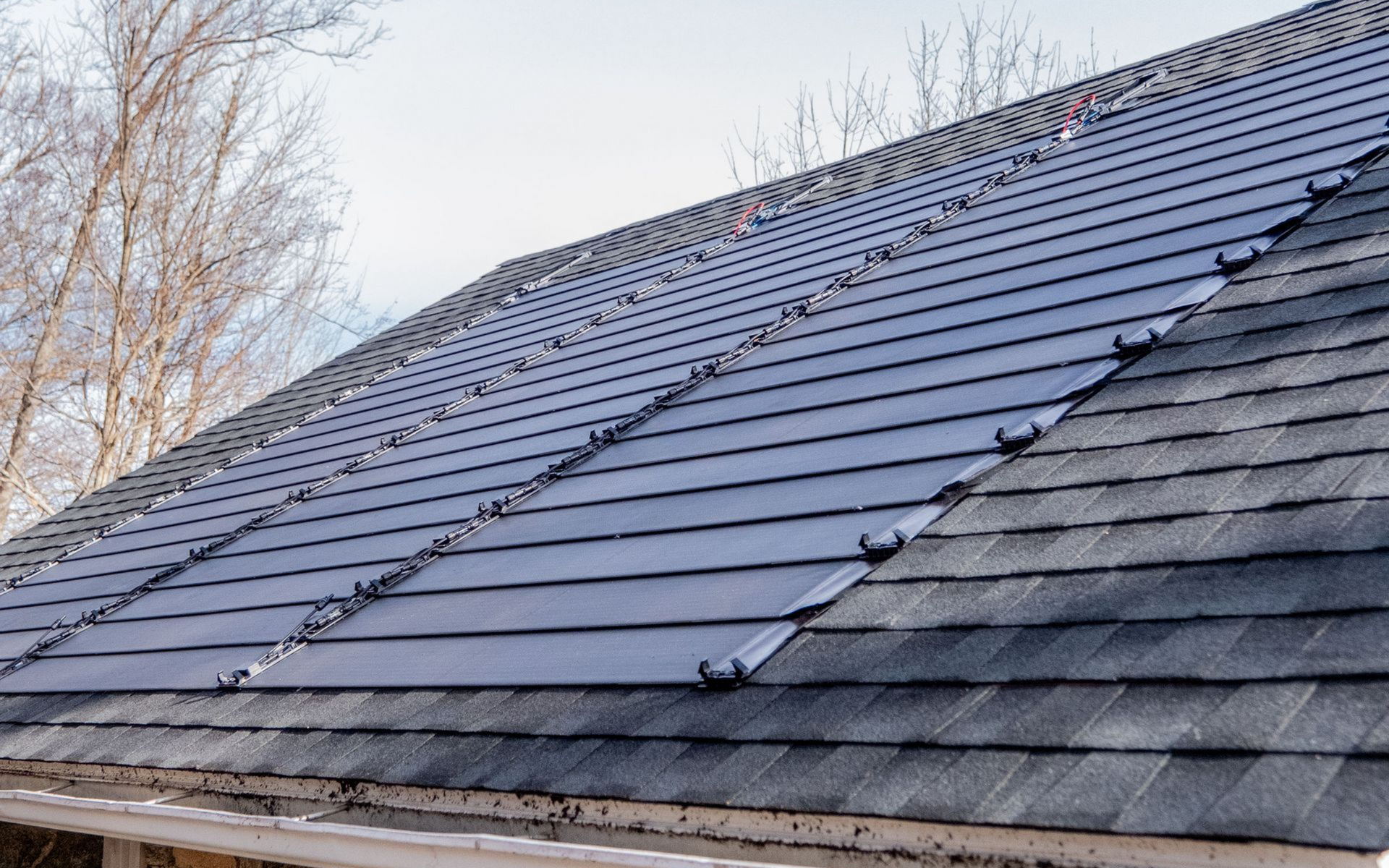
Solar shingles are roofing shingles with solar cells built into them. They're installed as part of your actual roof, not on top of it. Each shingle generates a small amount of electricity, and dozens or hundreds of them work together as a single system. The most well-known product on the market right now is GAF Timberline Solar, which installs much like a regular architectural shingle and is nailed directly into the decking.
Because they're a building material, solar shingles function as both your roof and your solar system at the same time. You can learn more about solar shingles and how the system is built on our service page.
How Traditional Solar Panels Work
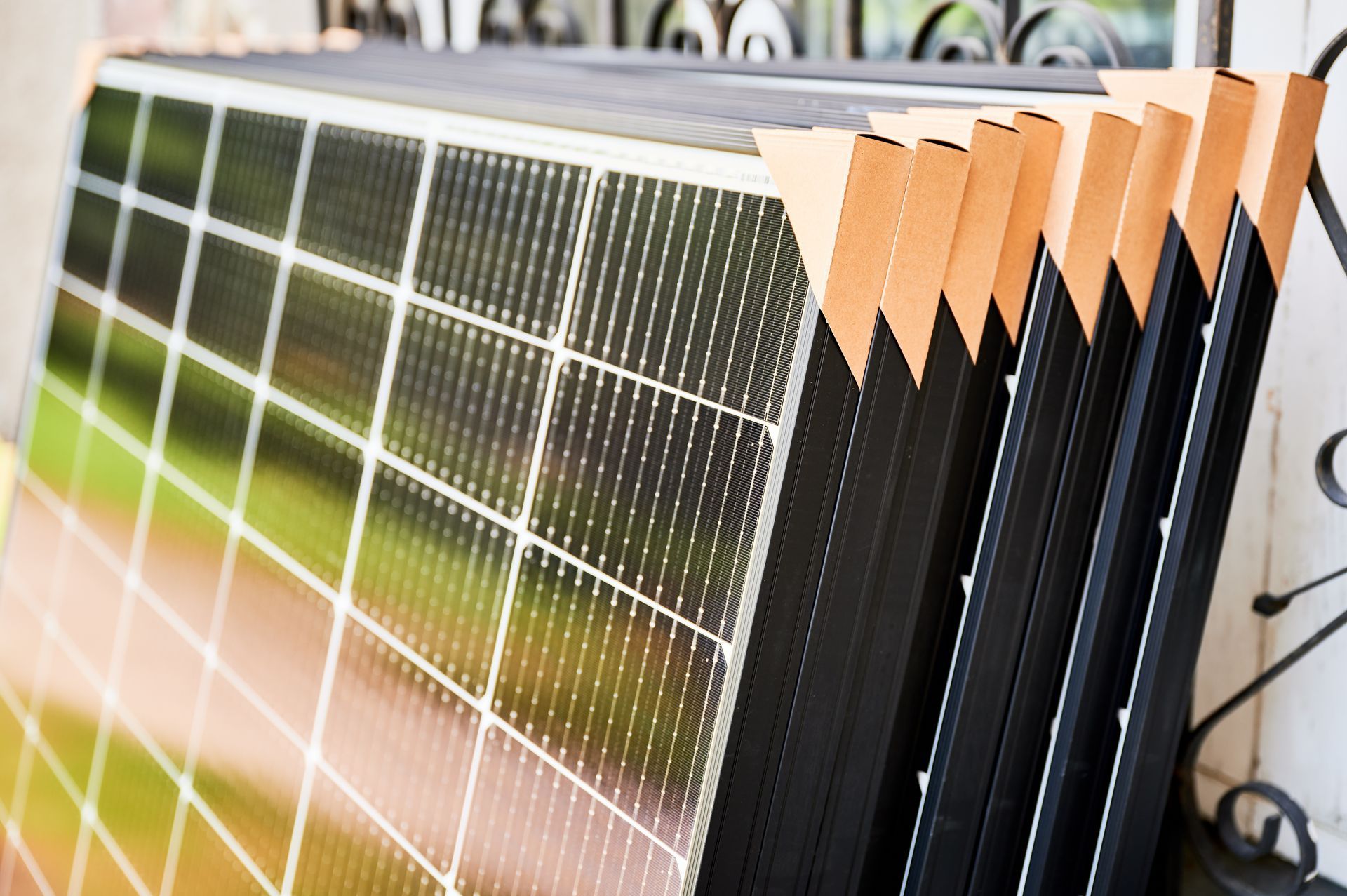
Solar panels are rigid panels (also called modules) mounted on top of your existing roof using a racking system. The racking is bolted into the rafters through the shingles, then the panels are clamped onto the rails. Solar panels have been the standard for residential solar for over two decades, which is why most of the solar industry, installers, and financing options are built around them.
Panels and shingles both use photovoltaic (PV) cells, but panels typically use larger, higher-efficiency cells than the smaller cells inside a shingle.
Solar Shingles vs. Solar Panels: Key Differences
Here is how the two compare on the things most Connecticut homeowners care about.
| Feature | Solar Shingles | Solar Panels |
|---|---|---|
| Appearance | Integrated, looks like a roof | Visible panels mounted on top |
| Efficiency (per cell) | Lower (around 15 to 18 percent) | Higher (around 19 to 22 percent) |
| Installation Time | 5 to 10 days (full roof) | 1 to 3 days |
| Roof Requirement | Needs new or recent roof | Works on most roofs in good shape |
| Upfront Cost | Higher, often 2x or more | Lower per watt |
| Lifespan | 25 to 30 years | 25 to 30 years |
| Warranty | Roofing + power warranty combined | Separate panel and inverter warranties |
| Repairs | Replace individual shingle | Replace individual panel |
Appearance and Curb Appeal
If looks matter to you, solar shingles win clearly. They sit flush with the rest of the roof and look much closer to a normal shingle roof from the street. Panels, by contrast, are visible and obvious, especially on front-facing roof slopes. For homes in historic districts or HOA-controlled neighborhoods, solar shingles often pass aesthetic reviews that panels don't. If curb appeal is a top priority, see how a new roof can enhance your home's style and curb appeal.
Energy Production and Efficiency
Solar panels still produce more energy per square foot. Their cells are larger, run cooler, and have had more years of engineering behind them. Solar shingles are catching up fast, but on a small or shaded roof, panels often generate noticeably more power. On a large, sunny roof, the gap matters less.
Installation and Roof Requirements
This is where the two products differ the most:
- Solar shingles are installed as part of a full roof or large roof section. You usually can't add them to a small patch of an existing roof.
- Solar panels can be added to almost any roof in good condition, no matter how old, as long as the roof has 7 to 10 years of life left.
If your roof is over 15 years old and you're considering panels, most installers will recommend a roof replacement first. If you'd otherwise need a new roof anyway, solar shingles let you combine both projects into one.
Cost and Return on Investment
Solar shingles cost more upfront, often 30 to 100 percent more than a comparable solar panel system. That said, the gap narrows when you factor in:
- The cost of a roof replacement you'd be doing anyway
- The federal solar tax credit (currently 30 percent of qualified system cost)
- Connecticut state and utility incentives, including net metering
- Long-term electricity savings
For a deeper look at the roofing side of the equation, see our breakdown of roof replacement cost in CT. Many homeowners also use roofing financing options to spread the cost out over time.
Which Option Is Better for Connecticut Homes?
There is no single right answer. The best option depends on your roof, your budget, and your priorities.
When Solar Shingles Make Sense
Solar shingles are usually the right choice when:
- Your roof is already due for replacement
- You want a clean, integrated look without visible panels
- You're in a historic district or strict HOA
- You plan to stay in the home long enough to recoup the higher upfront cost
- Your roof has good sun exposure and an unshaded southern slope
When Solar Panels Are the Better Choice
Solar panels are usually the smarter pick when:
- Your roof is in good shape and has 10+ years of life left
- You want the lowest cost per watt of solar production
- You only need a partial system (just enough to offset some of your bill)
- You want the widest range of installer and financing options
- You're not concerned about how the panels look from the street
How Connecticut Weather Impacts Solar Performance
Connecticut gets four real seasons, and solar systems perform well in all of them when installed correctly. Snow, ice, and cold temperatures don't damage modern solar shingles or panels. In fact, solar cells produce slightly more power in cold weather than in summer heat. Snow accumulation can temporarily reduce production, but most systems clear themselves within a day or two as the sun warms the surface. Both shingles and panels are rated to handle Connecticut wind, hail, and freeze-thaw cycles when properly installed.
What About Roof Replacement?
For many Connecticut homeowners, the solar decision is really a roofing decision. The age and condition of your roof drives almost every other choice.
Why Timing Matters
Solar panels typically last 25 to 30 years. If you install them on a 15-year-old roof, you'll likely have to remove them at some point to replace the shingles underneath, then reinstall the panels. That removal and reinstall can cost thousands of dollars and isn't always covered by the panel warranty. The most cost-effective time to add solar is right after a new roof, or as part of one.
Combining a New Roof and Solar Installation
If your roof is approaching the end of its life, this is the best time to think about solar. Combining the two projects offers real advantages:
- One construction event instead of two
- No future removal cost when the roof eventually needs replacement
- Cleaner integration, especially with solar shingles
- Single point of accountability between the roofer and solar installer
If you go with solar shingles, the project becomes one job done by one contractor. If you go with panels, you can still time them right after a new roof so they sit on a fresh surface that will outlast them. Either way, planning your roof replacement and solar at the same time saves money and headaches down the road.
Final Thoughts on Solar Shingles vs. Solar Panels
Both solar shingles and solar panels are mature, reliable technologies that work well in Connecticut. The right one for you comes down to your roof, your budget, and how much you care about appearance.
Choosing the Right Solution for Your Home and Budget
Here's the short version one more time:
- If your roof is in good shape, choose solar panels for lower cost and higher efficiency
- If your roof is near the end of its life or you want an integrated look, choose solar shingles and combine the projects
- If you're unsure, start with a roof inspection. Knowing your roof's true condition is the foundation of every solar decision
When you're ready to plan, the best first step is a professional roof assessment. From there, you can compare quotes, weigh the incentives, and pick the system that actually fits your home, not just the one with the flashiest pitch.
Frequently Asked Questions
Are solar shingles eligible for the federal solar tax credit?
Yes. The federal Residential Clean Energy Credit (currently 30 percent of qualified system costs) applies to both solar panels and solar shingles. The credit covers the solar-generating portion of the system, not the non-solar roofing materials around it. A qualified installer can break out what's eligible on your invoice, and your tax preparer can confirm exact eligibility. You can also explore whether your new roof qualifies for an energy tax credit.
How long do solar shingles last compared to solar panels?
Both typically last 25 to 30 years, with output decreasing gradually over time. Most solar shingle and panel manufacturers warranty power production at around 85 percent of the original rating after 25 years. The roofing components of solar shingles are usually warrantied separately, similar to how a regular asphalt shingle roof lasts 20 to 30 years in Connecticut.
What happens if one solar shingle or solar panel gets damaged?
Individual units can be replaced, but the process differs. A damaged solar panel is straightforward: an installer removes the affected panel and clips a new one in place. A damaged solar shingle requires lifting the surrounding roofing materials and replacing the shingle the way you would any roof repair. Working with a contractor who installed the system originally makes either repair faster and cleaner.
Do solar shingles work with home battery storage systems?
Yes. Solar shingles connect to inverters and battery storage systems the same way solar panels do. You can pair either one with a home battery to store excess energy for nighttime use or power outages. This is increasingly popular in Connecticut because of severe weather and the desire for energy independence during storms.
Will solar shingles or solar panels increase my home's resale value more?
Both can add resale value, but for different reasons. Solar panels tend to increase value through energy savings, especially when they're owned (not leased). Solar shingles add a smaller energy-savings premium but often appeal more to buyers who don't like the look of panels. In Connecticut neighborhoods with strict aesthetic standards, the integrated look of solar shingles can give a noticeable edge at resale.
Share this Post
Recent Blog Post