Composite vs. PVC Decking: Which Is Better for Connecticut Homes?
August 26, 2026
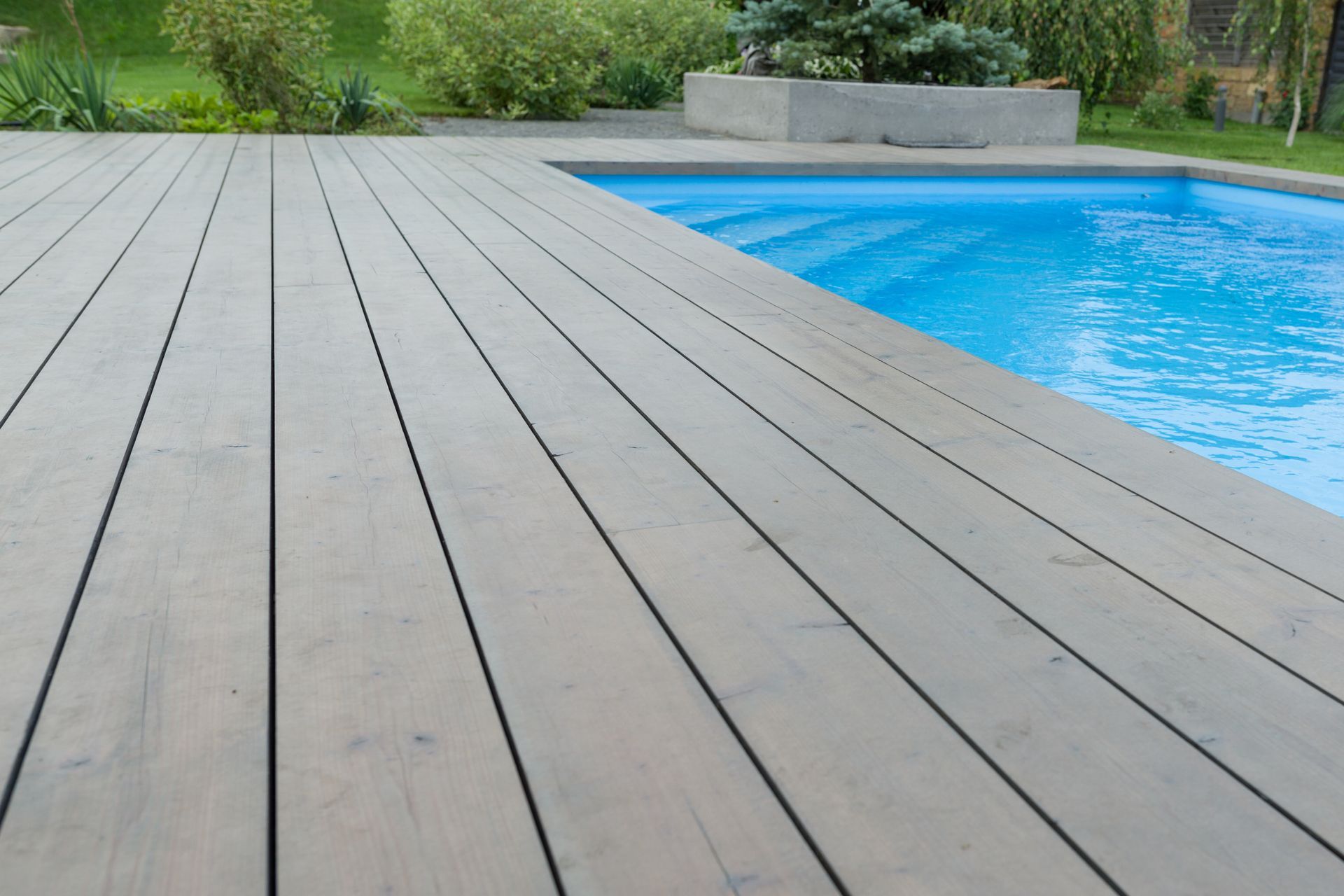
The useful starting point is that this is a question of degree, not a contest with a clear loser. Composite and PVC are both capped, low-maintenance boards that will outlast a wood deck by decades and free you from annual staining. The difference comes down to what is inside: composite has a recycled wood-and-plastic core, while PVC is all plastic with no wood at all. That single fact is why PVC is lighter, cooler underfoot, and the more moisture-proof of the two, and why it costs more. For most Connecticut backyards, composite is the practical, better-value choice. For a deck near a pool, a hot tub, or heavy shade, PVC earns its premium.
At Artisan Building and Remodeling, we build decks across Connecticut and install both, along with wood, cedar, and hardwood, so we can match the material to your site rather than to a sales quota. We have served homeowners here since 2017 as a licensed Connecticut contractor (HIC #0651418) with an A+ Better Business Bureau rating, and the comparison below reflects how these boards actually hold up through our winters and summers.
In This Guide
- The Core Difference in One Minute: What separates the two materials.
- Cost Comparison for CT Homeowners: Real price ranges and long-term value.
- Performance in the Connecticut Climate: Moisture, snow, and summer heat.
- Look, Feel, and Maintenance: How each reads underfoot and over time.
- The Tradeoffs of Each: Where each material gives something up.
- Which Decking Should You Choose?: Matching the board to your deck.
- Frequently Asked Questions: Answers to common decking questions.

The Core Difference in One Minute
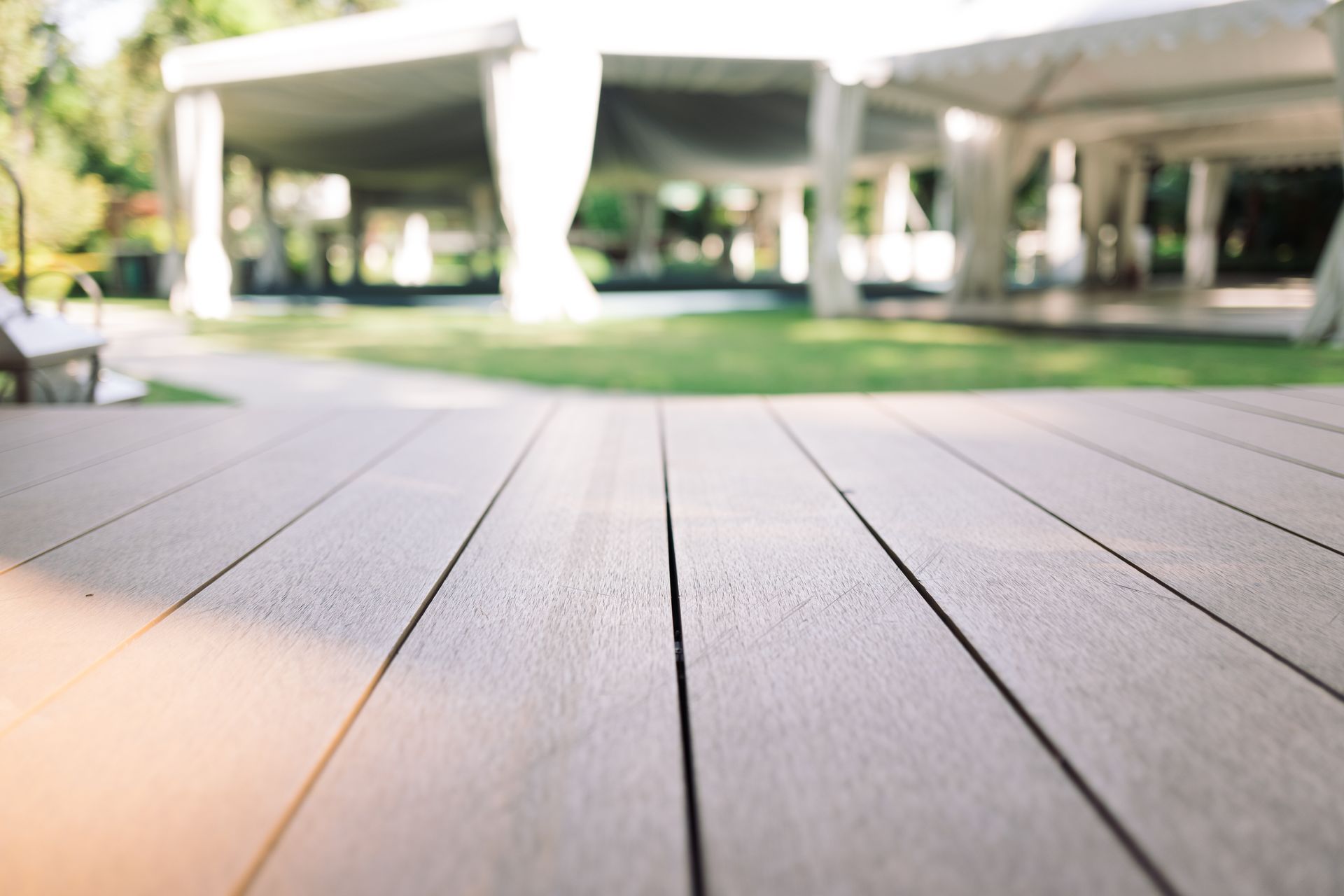
Both materials are "capped," meaning a durable protective shell surrounds the board and does the real work of resisting stains, fading, and moisture. Where they diverge is the core beneath that cap, and it explains every practical difference that follows.
| Feature | Composite Decking | PVC Decking |
|---|---|---|
| Core material | Recycled wood fibers plus plastic | All plastic, no wood |
| Moisture resistance | Very good | Best available |
| Weight and feel | Heavier, more solid | Lighter |
| Heat underfoot | Moderate | Cooler on lighter colors |
| Typical price | Budget to premium | Premium |
Composite keeps some wood content, which gives it a heavier, more grounded feel and a slightly lower price. PVC removes the wood entirely, which is what makes it lighter, cooler, and nearly impervious to moisture, at a higher cost. Neither is universally "better"; the right pick depends on where your deck sits and what you value.
Cost Comparison for CT Homeowners
Budget usually shapes the decision, and the pattern is consistent: composite generally costs less than PVC, while both cost more upfront than pressure-treated wood and less to own over time. Treat these as ballpark material ranges, since deck size, height, railing, and site conditions drive the installed total far more than the boards.
For a rough sense of scale before you request a quote, here is how the materials tend to stack up per square foot for decking material alone in Connecticut:
- Pressure-treated wood is the cheapest upfront, often a fraction of composite, but carries yearly staining and sealing costs.
- Composite typically lands in the mid range, with entry lines competitive and premium capped lines reaching higher.
- PVC usually sits at the top of the range, reflecting its moisture and heat advantages.
What the Installed Price Includes
The board is only one line on the invoice. On a finished deck, several other elements often cost as much as the surface combined, which is why a full installed quote is the only number that truly matters:
- The substructure of joists, beams, and posts that carries the whole deck.
- Footings dug and poured to code below the Connecticut frost line.
- Stairs and railing, where a premium aluminum or composite rail can swing the total well above a basic system.
- Removal and disposal of an old deck, if you are replacing rather than building new.
Because these vary so much by design and site, two quotes for the same board can differ widely, and only a walkthrough turns a range into a real number.
Long-Term Value
The cheapest board rarely wins over twenty years. Because both composite and PVC eliminate the staining and sealing that wood demands, the total cost of ownership often favors them even when the sticker is higher, and it can tip toward PVC in wet locations where a wood-core board would age faster. Financing helps too, and Artisan Building and Remodeling offers
flexible financing options. For a closer look at how long these boards last, see our guide on
composite decking lifespan.
Performance in the Connecticut Climate
A Connecticut deck faces snow, ice, spring rain, summer UV, and repeated freeze-thaw cycles. Both materials are engineered for all of it, but the wood-versus-no-wood difference decides the edge cases.
Moisture, Snow, and Freeze-Thaw
Winter is the harshest test, and here the protective cap on both materials does most of the work, keeping snowmelt and ice out of the board so it will not crack the way wood does. The distinction shows up in constantly wet conditions, where PVC's lack of any wood fiber means there is simply nothing to absorb moisture or swell. On a shaded deck that never fully dries, or one that takes constant splash from a pool, that advantage is real and worth paying for. On an open, sun-exposed deck, capped composite performs just as dependably through our winters.
Summer Heat and UV
Once the snow clears, sun becomes the main stress, and both materials resist fading far better than wood. Heat underfoot is where they differ: PVC's lighter composition tends to keep it a touch cooler than composite in direct sun. That said, color choice outweighs material here, so a light-toned board of either type will feel more comfortable on a hot afternoon than a dark board will. For a south-facing deck with no shade, leaning toward PVC in a lighter color is the most comfortable combination.
Look, Feel, and Maintenance
The two materials are close enough in appearance that most homeowners cannot tell them apart from a few feet away, since the cap on each can carry convincing wood-grain texture and multi-tonal color. The real differences are in how they feel and how they handle the small stresses of daily use.
Feel and Appearance
Composite's wood content gives it a heavier, more substantial feel underfoot that many people associate with a quality deck. PVC feels a little lighter and, to some, slightly more synthetic, though premium PVC has narrowed that gap considerably. Neither can be stained or painted the way wood can, which is by design: the color is baked into the cap, so what you choose at the showroom is what you live with, and it will not need refreshing.
Cleaning, Mold, and Scratches
On day-to-day upkeep the two are essentially tied, and that is the whole point of choosing either one over wood. A few things are worth knowing before you build:
- Routine cleaning for both is just periodic soap, water, and a soft brush, with no staining, sealing, or sanding ever required.
- Mold and mildew can still grow on any decking surface in damp, shaded New England spots, but they feed on debris and pollen sitting on top, not the board itself, so a rinse removes them; PVC's slicker surface tends to shed them a bit easier.
- Scratches are resisted well by the caps on both, though a heavy dog or dragged furniture can mark either one, and premium lines hold up best.
The Tradeoffs of Each
No material is flawless, and knowing where each gives something up helps set expectations before you build. Composite and PVC each ask for a small compromise in exchange for their strengths.
Composite's wood content, the very thing that gives it a natural feel, also makes it marginally more moisture-sensitive than PVC and adds weight that makes the boards a bit more demanding to handle. It does, however, tend to use a high share of recycled wood and plastic, which appeals to homeowners weighing the environmental side. PVC's tradeoffs are its higher price and, for some tastes, a slightly less natural feel, though it is fully recyclable and avoids the resealing chemicals a wood deck needs over its life. One practical note: the two can be mixed on a single project, using PVC in a wet or shaded zone and composite elsewhere, though most homeowners prefer one material throughout for a consistent look.
Which Decking Should You Choose?
The right material comes down to where your deck sits, your budget, and the feel you want. These profiles capture the situations we see most often in Connecticut.
- Choose composite if you want the most natural, solid feel at a competitive price for a typical open backyard deck.
- Choose PVC if your deck sits near a pool, spa, or heavy shade, or if a cooler surface and maximum moisture resistance are your priorities.
- Consider your frame, too. A sound existing substructure can often carry either material, while a full rebuild is the moment to choose the premium board you truly want.
If you are comparing specific brands rather than materials, our companion guide on
TimberTech vs. Trex breaks down two of the leading names, including the composite-versus-PVC choice within a single brand. To explore every style and material we build, visit our
deck building services page.
Build the Right Deck With Artisan Building and Remodeling
Deciding between composite and PVC is easier with a contractor who installs both and understands how each performs through a Connecticut winter and summer. We help you match the material to your site, your budget, and the look you are after, with no pressure to upsell.
Call Artisan Building and Remodeling at (860) 759-8617 or
contact us online for a free estimate. We will assess your space, walk you through samples, and provide an itemized quote so you know exactly what you are paying for.
Frequently Asked Questions
Is composite or PVC decking better for Connecticut?
Both perform well here. Composite offers the most natural feel at a lower price and suits most open backyard decks, while PVC is the better choice for decks near pools, spas, or heavy shade thanks to its superior moisture resistance and cooler surface. Your site conditions and budget usually decide it more than any overall ranking.
Is PVC decking more expensive than composite?
Generally, yes. PVC typically sits at the top of the low-maintenance decking price range because it resists moisture better and stays cooler underfoot. Composite usually costs less while still lasting decades, which is why it remains the more common choice for standard decks that are not in constantly wet locations.
Which decking stays cooler in the sun?
PVC tends to stay a little cooler than composite because its all-plastic composition is lighter. That said, color matters more than material, so a light-colored board of either type will feel noticeably more comfortable on a hot Connecticut afternoon than a dark one. For a sun-exposed deck, a light-toned PVC board is the coolest combination.
Does composite decking absorb water or swell?
Modern capped composite resists water well because a protective shell surrounds the wood-and-plastic core, so everyday moisture is not a concern. In spots that stay wet, however, PVC resists moisture even better since it contains no wood fibers to absorb it. Proper installation and gapping protect both materials from freeze-thaw damage.
How long do composite and PVC decks last?
With professional installation, both materials commonly last 25 to 50 years, far longer than a wood deck, with the exact figure depending on the product tier, maintenance, and exposure. PVC can hold up slightly longer in constantly wet locations because it has no wood core to break down. See our composite decking lifespan guide for a fuller breakdown.
Share this Post
Recent Blog Post