How Much Does Front Door Replacement Cost in Connecticut?
August 26, 2026
Most front door replacements in Connecticut run between $500 and $2,500, and custom or high-end entry systems climb higher. That range comes straight from the projects we quote at Artisan Building and Remodeling, and where yours lands depends mostly on three things: the material, whether you buy the door as a slab or a prehung unit, and what the crew finds when the old door comes out. A basic steel door in a sound frame sits near the bottom; a wood or fiberglass entry with sidelights sits well above it.
We have installed and replaced entry, patio, storm, and custom doors across Connecticut since 2017. We are a licensed Connecticut home improvement contractor (HIC #0651418) with an A+ Better Business Bureau rating, so the numbers below reflect what we actually quote here in Berlin, Westbrook, and the surrounding towns, not a national average from a very different labor market and climate.
In This Guide
- The Quick Answer on Cost: Real ranges and what moves the number.
- Cost by Door Material: Steel, fiberglass, and wood compared with prices.
- Slab vs. Prehung, and Other Configurations: Why the setup changes the price.
- What Installation Actually Costs: Labor, and the surprises that add to it.
- The Costs Homeowners Forget: Frame rot, hardware, permits, and disposal.
- Is a New Front Door Worth the Money?: What you actually get back.
- How to Keep the Cost Down: Where to spend and where to save.
- Frequently Asked Questions: Straight answers to common questions.
The Quick Answer on Cost
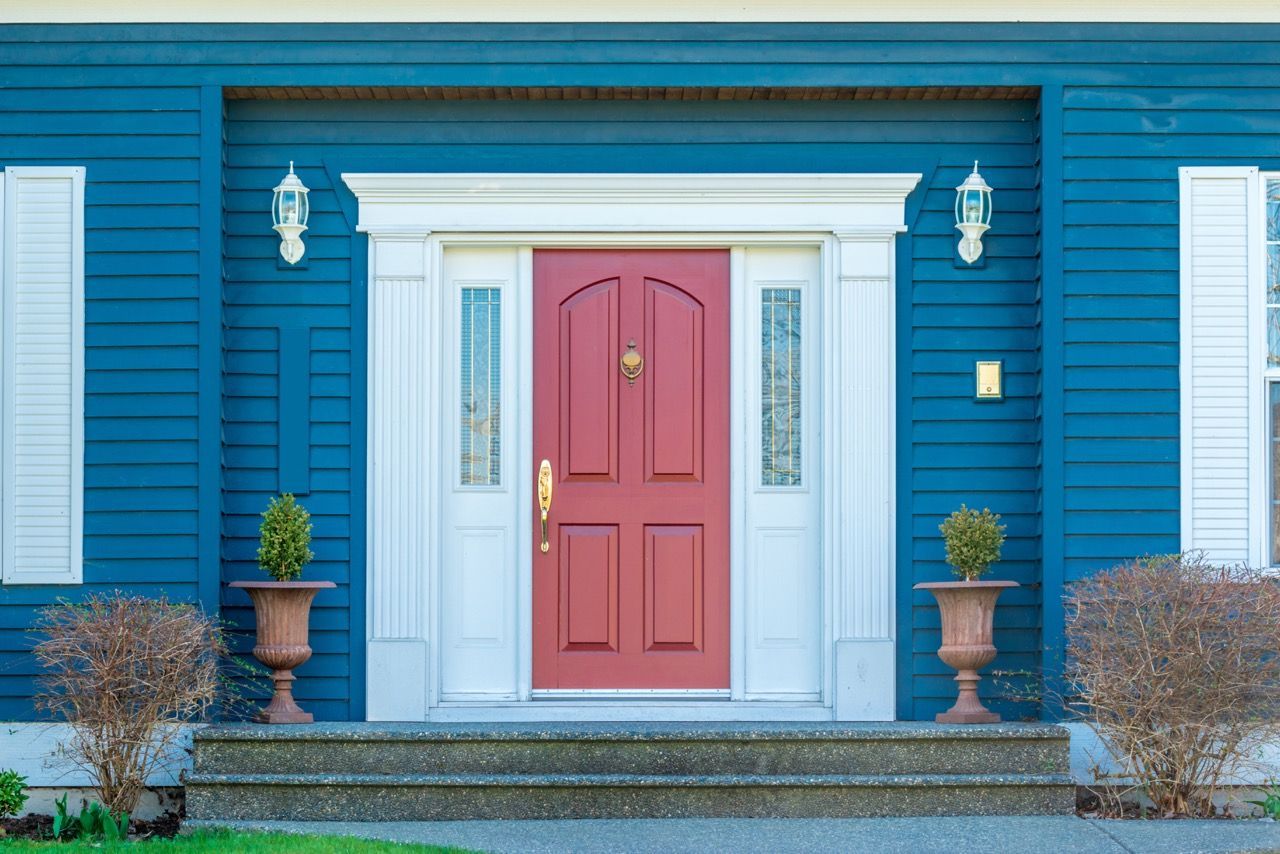
If you want a single figure to plan around, budget roughly $1,000 to $2,000 for a typical fiberglass front door installed in an existing frame in Connecticut. That is where most homeowners land, because fiberglass suits our climate and a sound opening keeps labor reasonable.
The full range is wide because "front door replacement" covers everything from a $500 functional swap to a $6,000-plus grand entrance. Three variables decide where you land: material (steel cheapest, fiberglass mid, wood priciest), configuration (a plain door versus one with a new frame, sidelights, or glass), and the condition of your existing opening. The sections below break down each.
Cost by Door Material
Material determines price, durability, energy performance, and how the door holds up to Connecticut's freeze-thaw winters. Here is how the three common choices compare on installed cost and why each costs what it does.
| Material | Typical Installed Cost (CT) | Why It Costs That |
|---|---|---|
| Steel | $500 to $1,500 | Cheapest to make and quick to install; dents and can rust if exposed |
| Fiberglass | $1,000 to $3,500 | Mid-priced material that resists warping and rot; strong insulation |
| Solid Wood | $1,200 to $6,000+ | Premium material, heavier to hang, and often custom-sized |
Steel: The Budget Choice
A steel door is the most affordable way to replace a front door, and for a sheltered side or utility entrance it is often the smart call. The material is inexpensive and a standard slab installs quickly. The tradeoff is that steel dents under impact and can rust where the finish is scratched, so it does best under a covered porch where it is protected from direct weather.
Fiberglass: The Connecticut Sweet Spot
For most Connecticut front doors, fiberglass is the material we recommend, because it does not warp, rot, rust, or crack and shrugs off the moisture and freeze-thaw swings that define our winters. Many fiberglass doors carry an ENERGY STAR rating that helps hold heat, and the material can be molded to mimic real wood grain, giving you a premium look at a mid-range price without the upkeep of actual wood.
Wood: The Premium Statement
Solid wood delivers a warmth and authenticity the other materials imitate but never fully match, and it carries the highest price to match. Part of that is the material and part is labor, since a solid wood door is heavy and often custom-sized. Wood also needs periodic refinishing on an exposed entry, so the true long-term cost runs higher than the sticker. For a historic or high-end home, though, it is often worth every dollar.
Quick Guide: Which Material Fits Your Entry
To match the material to your situation at a glance:
- Choose steel for a sheltered or secondary entrance where budget leads and the door sits under a porch.
- Choose fiberglass for a typical exposed front entry in Connecticut, where low maintenance and insulation matter most.
- Choose wood for a historic or high-end home where authentic character justifies the cost and the upkeep.
Slab vs. Prehung, and Other Configurations
Two doors of the exact same material can cost very differently depending on how they are configured and sold. This is the variable homeowners most often overlook when comparing prices online.
Slab vs. Prehung Doors
A slab is just the door itself, with no frame. A prehung door arrives already mounted in a new frame with the hinges attached, ready to set into the opening as a unit.
A slab costs less to buy, but it only makes sense when your existing frame is sound and square, since the door must be fitted to the old jamb precisely. A prehung unit costs more up front but gives you a fresh, weathertight frame and a door that hangs true, which is usually the better value on an older home. Most full replacements we do use prehung units for this reason.
Sidelights, Transoms, and Glass
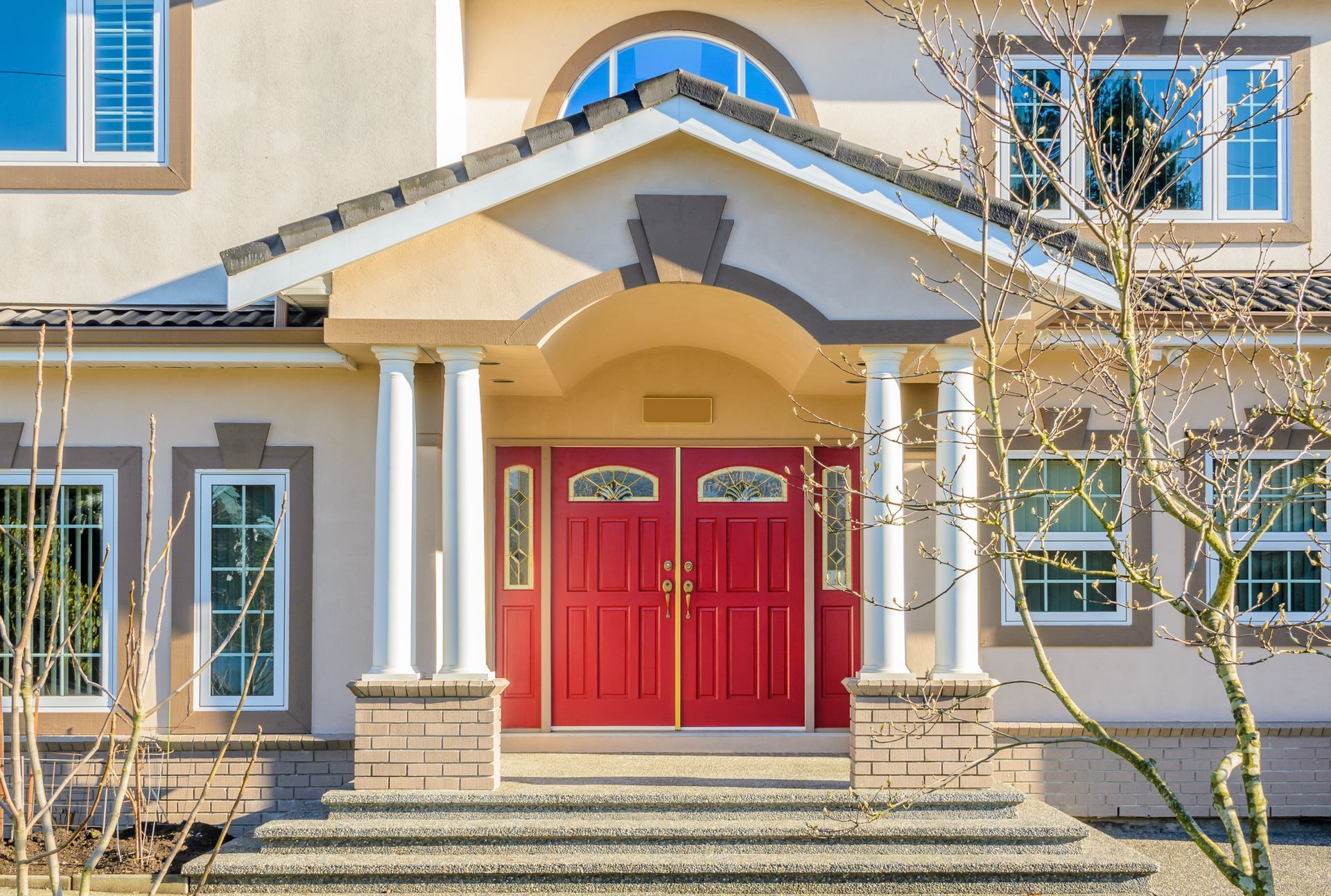
Adding glass is where a front door budget can jump. Narrow sidelight panels beside the door or a transom above it can add
$1,000 to $5,000 or more, because they widen the rough opening and multiply the sealing and trim work. Decorative glass inserts inside the door add cost too, though far less. A storm door is a smaller, optional add on top, typically
$150 to $600 for the unit plus a bit of labor. These features create a grand, better-protected entrance, so the question is whether the impression and protection are worth the premium.
What Installation Actually Cost
The door is only half the invoice. Labor is the other half, and it is where the quality of the finished job is won or lost, because a premium door installed poorly still leaks air and water.
Labor by Itself
For a straightforward replacement into a sound existing opening, installation labor alone generally runs in the $300 to $800 range in Connecticut, covering the full scope of a professional install:
- Removal and disposal of the old door and haul-away of the debris.
- Setting and shimming the new door level, square, and plumb in the opening.
- Sealing the perimeter with weatherstripping and a proper threshold to stop drafts and water.
- Hanging and adjusting the hardware so the door latches cleanly and swings true.
The number climbs when the job is not straightforward. Resizing an opening, replacing a rotted frame, or fitting a custom door all add hours, and sidelights or a transom push labor higher because there is more to seal and finish.
Why the Install Matters as Much as the Door
A door out of level by even a small amount will drag, fail to latch cleanly, and leak air at the corners. Correct shimming, a sealed threshold, and tight weatherstripping are what actually deliver the energy savings and draft-free entry you paid for. This is also the part that protects your warranty, since most manufacturers require installation to spec, which is why we finish every door with a final inspection.
The quote you get should be complete, but a few line items can appear once the old door is out and the opening is exposed. None surprise an experienced crew.
When the Frame Is Damaged
The most common one is a damaged frame. If water has rotted the jamb, sill, or the framing behind it, that wood has to be repaired before the new door goes in, since skipping it just traps the problem behind a new door. An out-of-square opening, common on older Connecticut homes that have settled, also adds carpentry time.
Hardware, Permits, and Disposal
Beyond the opening itself, a few smaller line items round out the total. These are easy to overlook when comparing doors on sticker price alone:
- Hardware upgrades like a quality lockset, deadbolt, or smart lock, which can add $50 to several hundred dollars.
- Permits for any job that alters the size or structure of the opening, which we pull and manage for you.
- Disposal of the old door, which is already included in our labor rather than billed separately.
A simple door swap in an existing opening usually needs no permit at all, but we always confirm what your specific town requires and build to local code.
Is a New Front Door Worth the Money?
For most homeowners, yes. It pays back in three ways at once: resale value, energy savings, and daily security.
The Resale Return
Front entry replacement consistently ranks among the highest-recouping projects in the remodeling industry's annual cost-versus-value studies, often near the top of the list. It is a relatively low-cost project that transforms the first thing a buyer sees, so the return on curb appeal is outsized compared with bigger, pricier renovations. A steel entry door in particular is well known for recovering a large share of its cost at resale, which makes the budget option a genuinely shrewd move, not just a cheap one.
Energy and Security
An old, drafty door quietly raises your heating bill all winter as warm air leaks around a worn seal. A new, insulated door closes that gap, and an ENERGY STAR rated unit does even more to hold your indoor temperature steady. The security upgrade is real too: modern doors pair sturdier materials with better locksets, so replacing a tired, hollow, or damaged door meaningfully hardens your main entry point.
How to Keep the Cost Down
Spend on the Door, Save on the Extras
You do not have to choose between a quality door and a reasonable budget. The best rule is to spend on material and installation and save on ornamentation, since a well-made fiberglass door installed correctly serves you far better over twenty years than a cheaper door loaded with decorative glass. A few practical moves keep the total in check:
- Stick to a standard size. Custom dimensions carry both a material and a labor premium, so a stock size saves meaningfully.
- Prioritize the door and the seal over glass. Sidelights and decorative inserts are the fastest way to inflate a budget.
- Bundle with other exterior work like window replacement to streamline labor on a single visit.
- Use financing through our flexible options so a premium door is not a single large hit.
The one place not to cut is an exposed, weather-facing entry: paying up for fiberglass over steel there usually saves money over time by avoiding dents, rust, and refinishing.
Get an Exact Number for Your Door
Every range in this guide is a planning tool; your true cost depends on your actual opening, the door you choose, and what sits behind the old jamb. A quick walkthrough is the only way to turn a range into a firm, itemized quote.
Call Artisan Building and Remodeling at (860) 759-8617 or
contact us online for a free estimate. We will look at your entry, talk through steel, fiberglass, and wood options, and give you a clear price with no pressure. You can see everything we offer on our
door installation and replacement page.
Frequently Asked Questions
How much does it cost to replace a front door in Connecticut?
Most front door replacements in Connecticut fall between $500 and $2,500, with custom or high-end entry systems costing more. A basic steel door in a sound frame sits near the bottom, while a fiberglass or wood door with a new frame or sidelights sits at the top. A typical fiberglass door installed into an existing opening usually lands around $1,000 to $2,000.
Should I buy a slab door or a prehung door?
It depends on your existing frame. A slab costs less but only works if your current frame is sound and square, since the door must be fitted to it precisely. A prehung door costs more but arrives in a new, weathertight frame that hangs true, which is usually the better choice on an older Connecticut home. Most full replacements use prehung units.
How much does labor cost to install a front door?
For a straightforward swap into an existing opening, labor alone generally runs about $300 to $800 in Connecticut. That covers removing the old door, setting and sealing the new one, and hanging the hardware. Frame replacement, resizing the opening, or adding sidelights all increase labor because the job takes longer.
Does replacing a front door add value to my home?
Yes. Front entry replacement consistently ranks among the highest-recouping projects in the industry's annual cost-versus-value studies, and a steel entry door in particular is known for recovering a large share of its cost at resale. Because it transforms the first thing a buyer sees, the return on curb appeal is strong relative to the modest price.
Do I need a permit to replace a front door in Connecticut?
A simple door swap in an existing opening usually does not require a permit, but altering the size or structure of the opening typically does. As a licensed Connecticut contractor, we determine what your town requires, pull any needed permit, and install to local code so the project passes inspection.
Share this Post
Recent Blog Post