How Long Does Vinyl Siding Last in Connecticut?
September 15, 2026
Quick Answer: Vinyl siding lasts about 20 to 40 years, and here in Connecticut most homeowners land in the middle of that range. Standard vinyl gives you roughly 20 to 30 years, while premium, thicker panels that are professionally installed and kept clean can reach 40 or more. The biggest variables are the grade of the vinyl, the quality of the installation, and how hard our New England weather works on it.
At Artisan Building & Remodeling, we have been installing and replacing siding across Central Connecticut since 2017, and as a GAF Master Elite and Owens Corning certified contractor, we see firsthand how the same product ages differently from Berlin to the shoreline. This guide breaks down what you can realistically expect, what shortens or extends that lifespan in our climate, and how to tell where your own siding stands.
The Real Lifespan of Vinyl Siding
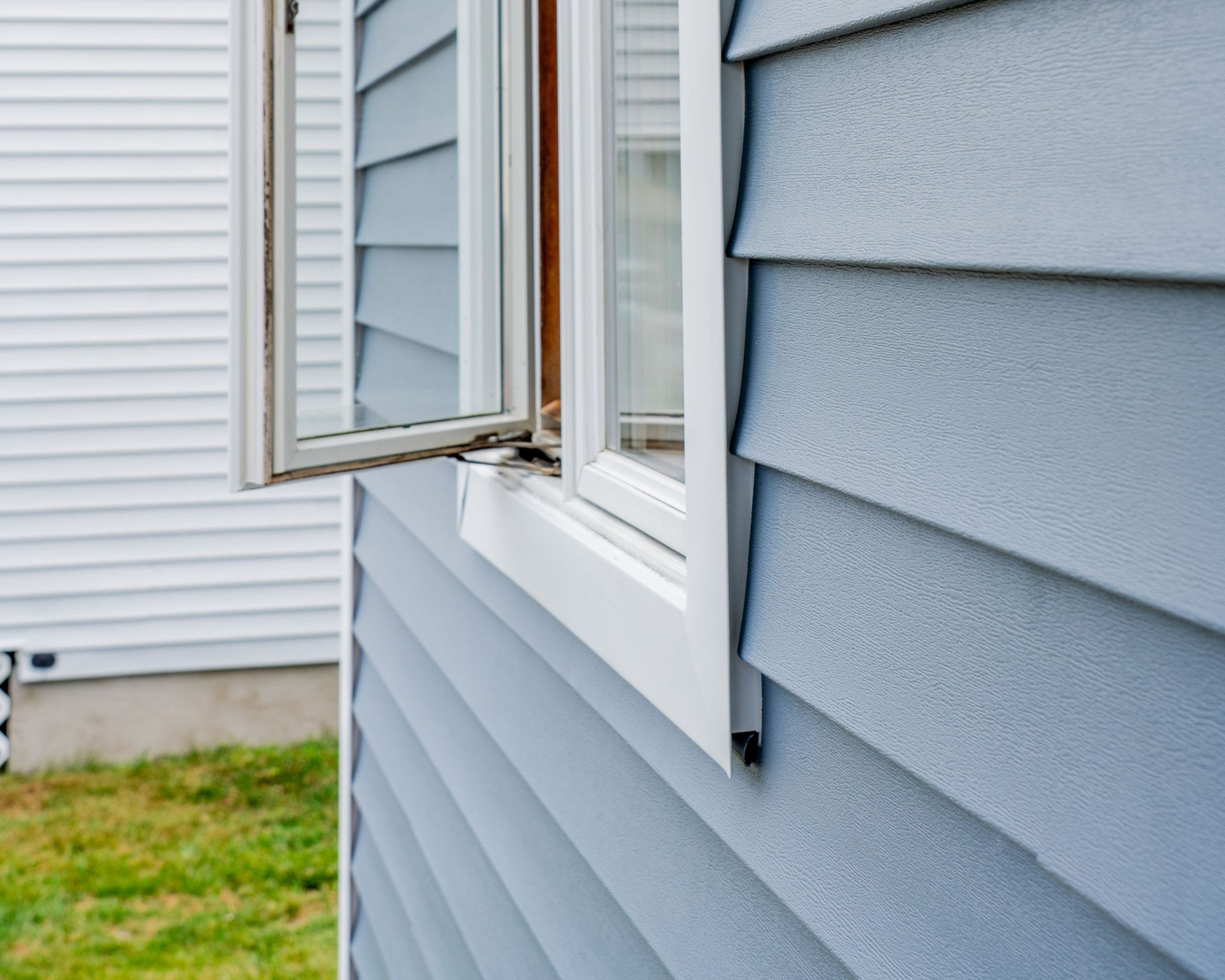
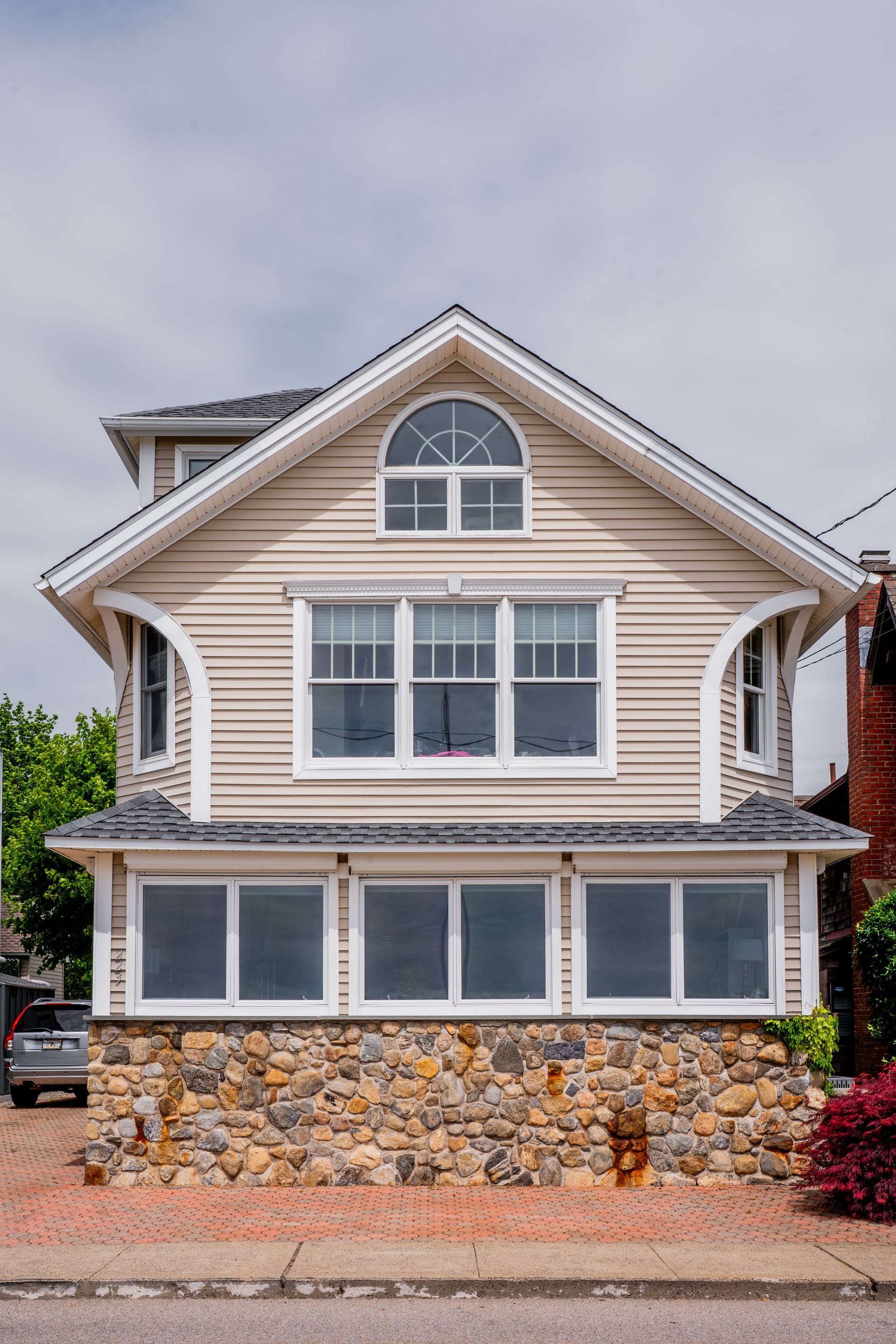
Vinyl siding is one of the most popular exterior choices in Connecticut for good reason: it is affordable, low maintenance, and durable. Like any building material, though, it does not last forever, and the range you will see quoted online is wide because the answer truly depends on the product and the conditions.
The real range is 20 to 40 years, but that spread hides a lot. The grade of vinyl you start with sets the ceiling, and everything else either helps you reach it or pulls you short. Knowing which tier your siding falls into is the first step to predicting its life, and it explains why two homes on the same street can have very different experiences with siding that looked identical on install day.
Grade Sets the Ceiling
Not all vinyl is the same thickness or quality, and the grade is the single biggest predictor of lifespan. Thicker, higher-gauge panels resist warping, cracking, and fading far better than budget options.
| Vinyl Grade | Typical Lifespan | What to Expect |
|---|---|---|
| Economy | 20 to 25 years | Thinner panels, more prone to cracking and fading |
| Standard | 25 to 35 years | Solid mid-range durability for most homes |
| Premium | 40+ years | Thicker gauge, better UV and impact resistance |
Warranties Tell Part of the Story
Many vinyl products carry long warranties, sometimes advertised as lifetime coverage. Read the details, because these are often prorated over time and may only transfer to a new owner under specific conditions. A strong warranty is a good sign of quality, but it protects against defects, not against the wear that normal weather and time bring.
What Connecticut Weather Does to Vinyl
The national averages are a starting point, but your siding does not live in an average climate. It lives in Connecticut, where the weather swings hard between seasons and puts real stress on any exterior material.
Our climate is tougher on vinyl than a mild, steady one would be. That does not mean vinyl is a poor choice here, because it performs very well when it is the right product installed correctly. It simply means our conditions tend to push lifespans toward the middle of the range rather than the top.
Freeze-Thaw Cycling
Connecticut winters bring repeated freezing and thawing, and vinyl expands and contracts with every temperature swing. Over years, that constant movement can stress panels and fasteners, especially if the siding was installed too tightly and cannot move the way it needs to. Proper installation that allows for expansion is what prevents this from becoming a problem.
The swings are not only a winter issue. A sunny January day can warm south-facing panels well above the frozen air temperature, then drop them back below freezing overnight. That daily cycling, repeated across a Connecticut winter, is exactly the kind of stress that separates a quality installation from one that starts rattling and buckling within a decade.
Sun, Storms, and Salt
Summer sun and UV exposure slowly fade vinyl and can make lower-grade panels brittle, with darker colors absorbing more heat and showing it sooner. Nor'easters and summer storms send debris and hail that can crack or puncture panels. And for homes near the shoreline, including our Westbrook service area, salt in the air adds another layer of wear that inland homes do not face.
What Else Affects How Long It Lasts
Beyond the grade and the weather, a handful of factors decide whether your siding reaches the top of its range or falls short. Some are in your control, and some come down to who installed it.
Installation quality matters more than most homeowners realize. Even premium vinyl fails early when it is nailed too tight, poorly flashed, or installed unevenly, because those mistakes trap moisture and prevent the panels from moving naturally.
Installation Quality
Vinyl needs room to expand and contract, and it needs proper flashing around windows, doors, and transitions. Panels fastened too tightly buckle in the heat, and gaps left in the wrong places let water and pests behind the siding. This is why the installer often has as much influence on lifespan as the product itself.
Maintenance and Color
Vinyl is low maintenance, not no maintenance. A simple wash once or twice a year to remove dirt, mildew, and grime prevents buildup that wears panels down early. Color plays a role too, since darker shades absorb more heat and tend to fade faster than lighter tones in our sunny summers.
Moisture and Drainage
Water is the quiet enemy of any siding system. Poor drainage, clogged gutters, or trapped moisture behind the panels can shorten lifespan and lead to problems in the wall behind the siding. Keeping gutters clear and water moving away from the house protects the whole system, not just the vinyl.
Connecticut's humid summers add to the challenge, since moisture that lingers against the wall encourages mildew and can work its way into any gap left by a poor installation. Vinyl itself does not rot, but the sheathing and framing behind it can, and by the time that damage shows on the surface it has usually been developing out of sight for a while. This is why drainage and flashing details are just as important to lifespan as the panels themselves.
How to Tell Where Your Siding Stands
If you are not sure how old your siding is or how much life it has left, you do not have to guess. The siding itself gives you clues, and a few simple checks will tell you whether you are closer to the beginning or the end of its life.
Start with the overall look and feel. Newer, healthy siding sits firm and flat, holds its color, and shrugs off weather. Older siding starts to show its age in ways that get more obvious the closer it gets to the end.
Age itself is a useful clue. If you know roughly when the siding was installed, comparing that against the grade gives you a good estimate of how much life is left. If you bought the home and do not know, a contractor can often gauge the age from the panel profile, the fastening style, and how the vinyl has held up. Either way, the goal is not a single verdict but a sense of whether you are planning years ahead or facing a decision soon.
Signs Your Siding Is Aging
These are the changes that suggest your vinyl is moving into the later part of its lifespan. One on its own may be minor, but several together point toward eventual replacement.
- Fading or chalky, dull color that no longer cleans up
- Cracking, warping, or panels that have become brittle
- Loose, rattling, or buckling sections
- New damage appearing quickly after storms or heat waves
When Age Turns Into Replacement
Lifespan and replacement are related but not the same. Isolated damage to a panel or two is usually a repair, while widespread issues, repeated repairs in the same spots, or siding past its expected age make replacement the smarter financial move. If you are seeing several of the signs above, our guide on the
signs it is time to replace your siding walks through how to know for sure, and a professional inspection can confirm which path makes sense.
How to Get the Most Years Out of It
The good news is that a lot of what determines lifespan is within reach. Whether you already have vinyl or are planning a new installation, a few smart choices add years to the life of your siding.
The two decisions with the biggest payoff happen before the siding ever goes up: the grade you choose and the crew that installs it. After that, basic upkeep does most of the work.
Choices That Add Years
When you are selecting new siding, spending up for a thicker, higher-gauge panel with strong UV protection pays off over decades, especially in our climate. Pairing that with an experienced, certified installer ensures the product is set up to reach its full lifespan rather than fail early from avoidable mistakes.
Simple Upkeep That Pays Off
Once your siding is on, keep it clean with a gentle wash once or twice a year, and inspect it after major storms so small issues get caught early. Keep gutters clear and trim back plants that trap moisture against the wall. None of this is difficult, and together it can be the difference between 25 years and 40. If you are weighing materials, our comparison of vinyl siding versus fiber cement can help you decide what fits your home and budget.
It also helps to catch small problems before they spread. A single cracked panel or a length of loose trim is a quick fix on its own, but left alone it lets water reach the wall behind the siding, where the damage is hidden and far more expensive to repair. Walking the exterior a couple of times a year and after big storms takes a few minutes and protects the whole system. When a repair does come up, matching the existing panel color and profile matters, which is one more reason to keep a record of what was installed and by whom.
Thinking About New Siding in Connecticut?
Whether your current siding is nearing the end of its life or you want it done right the first time, Artisan Building & Remodeling can help. We are a licensed, certified siding contractor serving Central Connecticut and the shoreline, with GAF Master Elite and Owens Corning credentials and an A+ rating from the Better Business Bureau. Call us at (860) 759-8617 or reach out through our
contact page for a free estimate.
Frequently Asked Questions
How long does vinyl siding last in Connecticut?
Most vinyl siding in Connecticut lasts 20 to 40 years, with standard grades reaching 20 to 30 years and premium, well-installed panels lasting 40 or more. Our freeze-thaw winters, summer sun, and coastal salt tend to push lifespans toward the middle of that range unless the siding is high quality and properly maintained.
What makes vinyl siding wear out faster?
The most common causes are low-grade thin panels, poor installation that does not allow for expansion, and neglected maintenance. In Connecticut, repeated freeze-thaw cycles, strong UV exposure, storm damage, and salt near the shoreline all add to normal wear over time.
Can I make my vinyl siding last longer?
Yes. Choosing a thicker, higher-grade panel and a certified installer sets the foundation, and after that, a gentle wash once or twice a year, prompt attention to storm damage, and clear gutters all help. These simple steps can add several years to your siding's life.
How do I know if my siding needs to be replaced or just repaired?
Isolated damage to one or two panels is usually a repair, while widespread cracking, fading, warping, or repeated problems in the same areas point to replacement. If your siding is near or past its expected age, replacement is often the more cost-effective choice, and an inspection can confirm it.
Does the color of vinyl siding affect how long it lasts?
It can. Darker colors absorb more heat, which can lead to slightly faster fading and, on lower-grade panels, warping over time. Higher-quality vinyl with UV-resistant coatings holds its color longer regardless of shade.
Share this Post
Recent Blog Post