Asphalt Shingle Roof Replacement in CT: What Homeowners Should Expect
June 1, 2026
Our team has been installing and replacing asphalt shingle roofs across Connecticut for years, working on homes from Hartford ranches to West Hartford colonials and everything in between. That hands-on experience is why we can give you a clear, upfront answer: a quality asphalt shingle roof replacement in Connecticut typically takes one to three days, lasts 20 to 30 years, and is the most cost-effective long-term roofing choice for the vast majority of homeowners in this state. Below, we'll walk you through why asphalt shingles work so well in Connecticut, when it's time to replace yours, what the process actually looks like, and how to choose the right shingles for your home.
Why Asphalt Shingles Are So Popular in Connecticut
Asphalt shingles cover most homes in Connecticut for a simple reason: they perform well, last a long time, and cost less than nearly every other roofing option. They also look great on the classic home styles you see throughout the state.
Benefits of Asphalt Shingle Roofing
Here is why so many Connecticut homeowners choose asphalt shingles when it's time for a new roof:
- Strong value with a lower upfront cost than metal, cedar, or slate
- Long lifespan, with quality shingles lasting 20 to 30 years when installed correctly
- Wide style options, from traditional three-tab to thicker architectural and designer profiles
- Proven weather performance in heat, cold, snow, wind, and rain
- Easy repairs if a small section is ever damaged by a storm
- Energy-efficient choices, including reflective shingles that can lower attic heat
- Strong manufacturer warranties from trusted brands like GAF and Owens Corning
For most Connecticut homes, asphalt shingles hit the right balance of price, performance, and curb appeal.
How Asphalt Shingles Hold Up to Connecticut Weather
Connecticut weather is tough on roofs. We get heavy snow, ice dams, summer thunderstorms, fall winds, and big temperature swings between seasons. Asphalt shingles handle all of that well when they're paired with the right underlayment, ice and water shield, and ventilation. Architectural shingles in particular are rated for high winds (often 110 to 130 mph) and resist cracking better than older three-tab styles. Cold-weather installations need extra care, but once a quality shingle roof is on, it's built for Connecticut's climate.
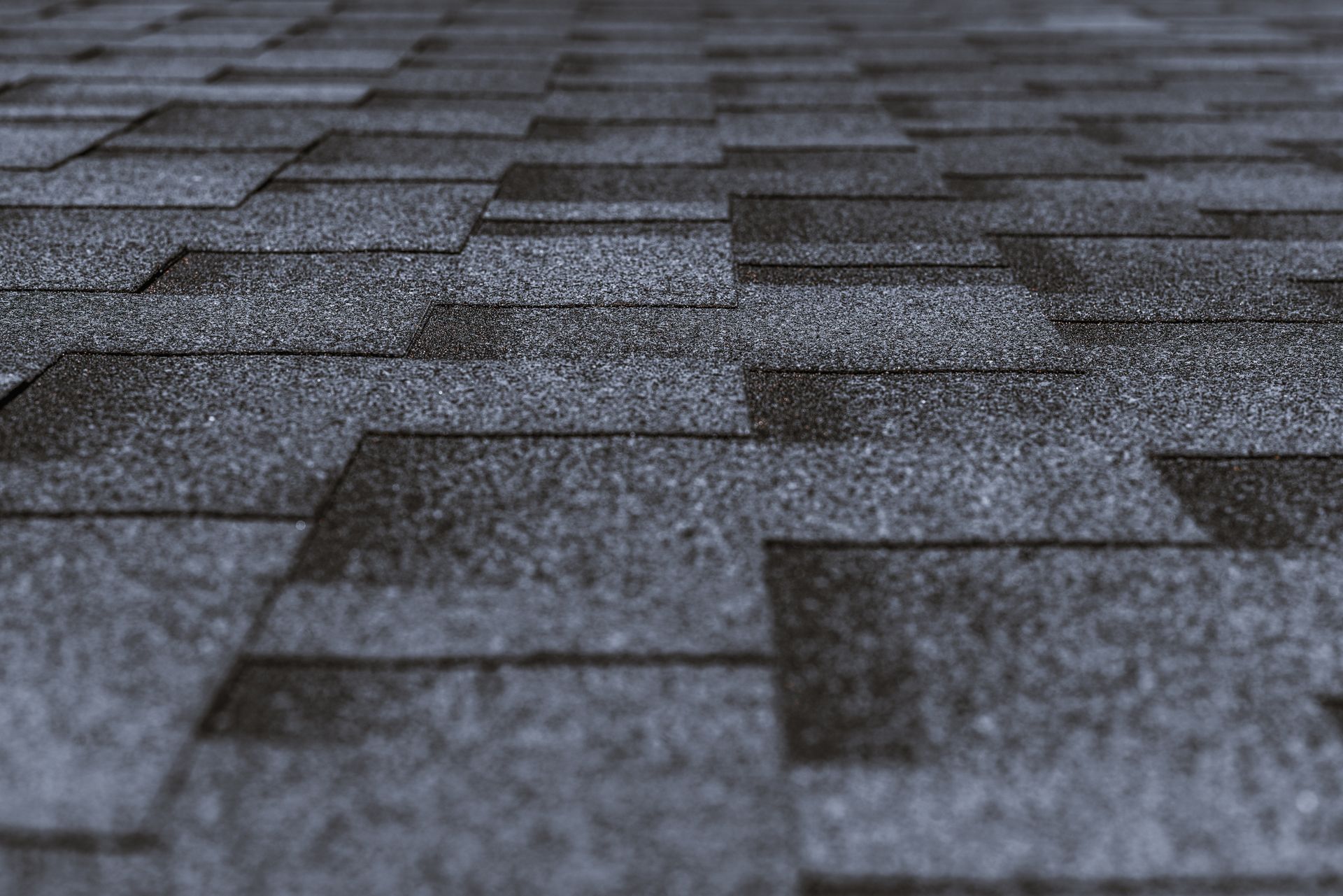
Signs It's Time to Replace Your Asphalt Shingle Roof
The short answer: if your roof is over 20 years old, leaking, or losing shingles, it's time to plan a replacement. Here are the specific signs to watch for.
Missing, Cracked, or Curling Shingles
Shingles should sit flat and tight against the roof. When you see shingles that are missing, cracked across the surface, or curling up at the corners, the protective layer is failing. High winds can pull damaged shingles off completely during the next storm, which exposes your decking to water.
Roof Leaks and Water Damage
Water stains on your ceiling, peeling paint on upper walls, or damp spots in the attic almost always trace back to a roof leak. Small leaks can sometimes be repaired, but if you have multiple leaks or one large area of damage, replacement is usually the smarter long-term move.
Age and Overall Roof Condition
Most asphalt shingle roofs in Connecticut last 20 to 25 years. If your roof is in that range and showing one or more of these signs, replacement is likely on the horizon:
- Granules collecting in your gutters or at downspouts
- Bare spots on shingles where granules have worn away
- Sagging sections along the roofline
- Dark streaks or heavy moss growth
- A neighbor's roof of the same age was recently replaced
A professional inspection can tell you exactly how much life is left.
What Happens During an Asphalt Shingle Roof Replacement?
A full roof replacement is a multi-step process. Here is what to expect from start to finish.
Roof Inspection and Preparation
Every quality replacement starts with a thorough roof inspection. The contractor checks the current shingles, flashing, decking, vents, and attic. This is where hidden problems show up, like rotted decking or poor ventilation. Before installation day, the crew protects your landscaping, moves vehicles, sets up dumpsters, and stages materials.
Removing the Existing Roof
The old roof comes off down to the decking. Crews use tear-off forks, magnetic sweepers, and tarps to keep nails and debris out of your yard. Once the deck is exposed, the crew inspects it for damage and replaces any rotted or soft sections. A solid deck is critical because your new shingles are only as good as what they're nailed to.
Installing the New Roofing System
A modern asphalt shingle roof is a system, not just a layer of shingles. Here are the main parts that get installed:
- Drip edge along the roof edges to direct water away
- Ice and water shield along eaves, valleys, and around penetrations
- Synthetic underlayment across the rest of the deck
- Starter strips along the eaves and rakes
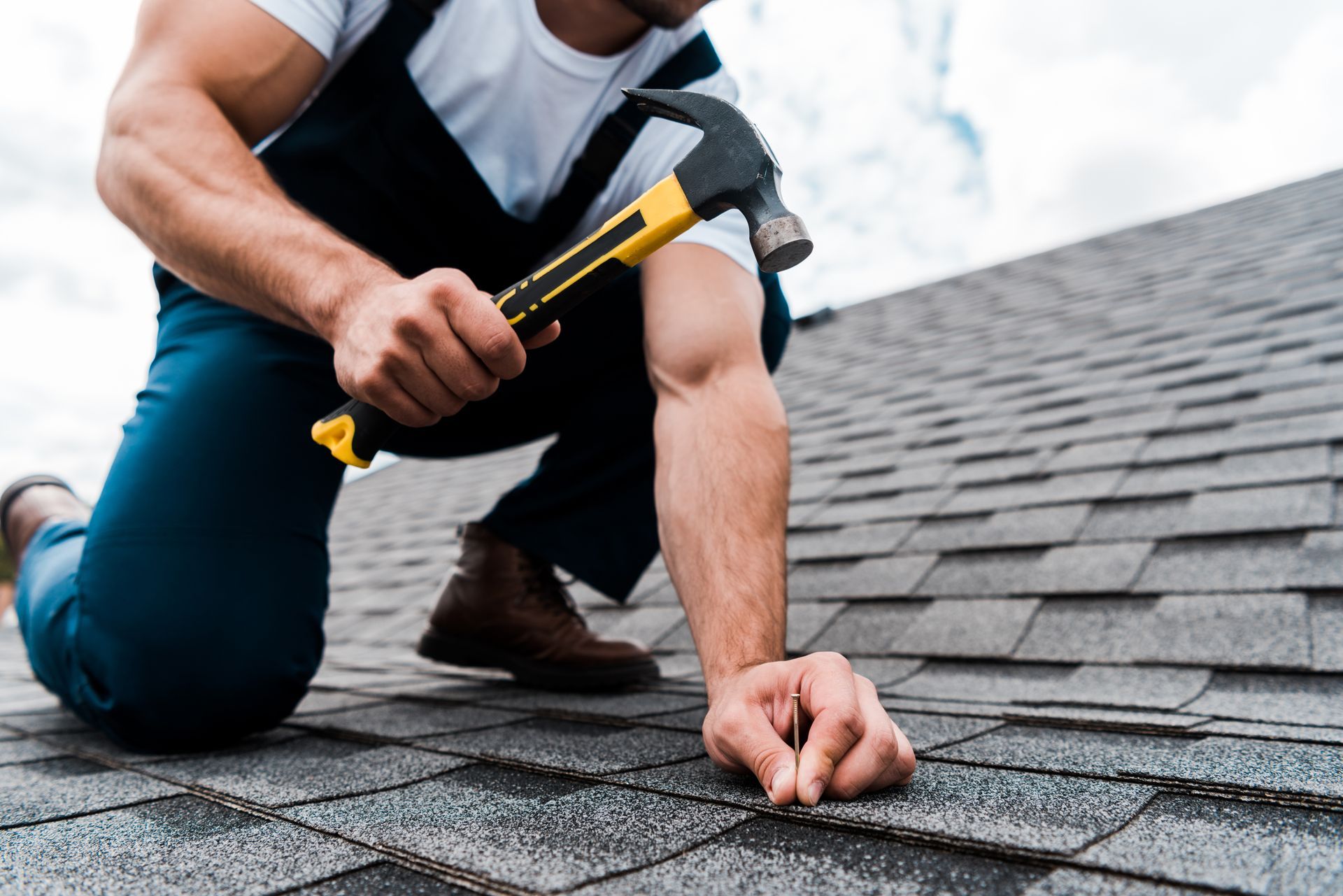
- Asphalt shingles nailed in the manufacturer's pattern
- Flashing around chimneys, skylights, vents, and walls
- Ridge vent and ridge caps to finish the peak and improve ventilation
When all of these layers are installed correctly, your roof can shed water, handle wind, and last decades.
How Long Does Roof Replacement Take and What Affects Cost?
Most Connecticut homeowners want clear answers on two things: how long it takes and how much it costs. Here is what to expect.
Typical Timeline for Connecticut Homes
A standard residential roof replacement in Connecticut takes one to three days. Smaller, simple roofs can be done in a single day. Larger homes, steep roofs, complex rooflines, or roofs with multiple layers to tear off can take three to five days. Weather and decking damage can also affect the timeline.
Factors That Influence Pricing
Roof replacement cost depends on several things, not just square footage. The main factors that move the price up or down include:
- Roof size measured in squares (one square equals 100 square feet)
- Roof pitch and complexity, with steeper and more cut-up roofs costing more
- Number of existing layers that need to be torn off
- Decking repairs discovered after tear-off
- Shingle type and quality, from basic three-tab to premium designer styles
- Accessories like ice and water shield coverage, ridge vent, and chimney flashing
- Tear-off and disposal fees based on weight and local dump rates
- Permits and inspections required by your town
Two homes on the same street can have very different prices based on these factors. Always get a detailed, written quote that lists what's included. For a deeper look at pricing, see our breakdown of roof replacement cost in CT.
Choosing the Right Asphalt Shingles for Your Home
Not all asphalt shingles are the same. The shingle you choose affects how your home looks, how long the roof lasts, and how much you spend.
Architectural vs. Traditional Shingles
The two main types most Connecticut homeowners compare are
architectural (also called dimensional) shingles and traditional three-tab shingles. Here is how they stack up:
| Feature | Three-Tab Shingles | Architectural Shingles |
|---|---|---|
| Look | Flat, uniform | Layered, dimensional |
| Lifespan | 15 to 20 years | 25 to 30 years |
| Wind rating | Around 60 mph | Often 110 to 130 mph |
| Cost | Lower | 20 to 40 percent higher |
| Warranty | Shorter, often 20 years | Longer, often 30 years to lifetime |
| Best for | Tight budgets, rentals | Most homeowner replacements |
For most Connecticut homes, architectural shingles are the better long-term choice. They cost more upfront but last longer, look better, and handle wind and weather more reliably.
Warranty and Performance Considerations
Shingle warranties can be confusing. The headline number, like a "lifetime warranty," does not always mean what it sounds like. When you're comparing options, look at:
- Material warranty length and what it actually covers
- Wind warranty in mph and any conditions attached
- Algae warranty for dark streaks (10 years is common, longer is better)
- Labor coverage if your contractor is a certified installer for the brand
- Transferability if you sell the home
Working with a manufacturer-certified contractor, like a GAF Master Elite or Owens Corning Preferred installer, often unlocks stronger roofing warranties than you'd get otherwise.
Final Thoughts on Asphalt Shingle Roof Replacement in CT
A new asphalt shingle roof is one of the best investments you can make in your home. It protects your structure, improves curb appeal, and adds value when you eventually sell. The key is planning the project right.
When to Schedule an Inspection
If your roof is over 15 years old or showing any signs of wear, schedule an inspection now rather than waiting for a problem. An early inspection gives you time to budget, compare contractors, and pick the best installation window. Spring and fall are the best seasons for roof replacement in Connecticut, but quality crews can install year-round when needed.
Planning for a Long-Lasting Roof
A long-lasting asphalt shingle roof comes from three things: quality materials, proper installation, and good ventilation. Cutting corners on any one of those shortens the life of your roof. When you're comparing contractors, ask about the full roofing system, not just the shingles. Get everything in writing, confirm the warranty, and choose a roofer with real Connecticut experience. Our list of important questions to ask a prospective roofer can help you vet candidates before you sign.
When you're ready to start planning, the first step is a thorough roof inspection. From there, you can pick the shingle, set a timeline, and move forward with your roof replacement with confidence.
Frequently Asked Questions
Can new asphalt shingles be installed over an old roof?
Sometimes, but it's usually not the best choice. Connecticut building codes allow up to two layers of asphalt shingles on most homes, so a single existing layer can sometimes be left in place. However, layering hides any decking damage underneath, adds weight to your roof, shortens the lifespan of the new shingles, and can void some manufacturer warranties. For most homeowners, a full tear-off is the smarter long-term investment.
What's the best time of year to replace an asphalt shingle roof in CT?
Late spring through early fall is ideal, with September and October often being the sweet spot. Mild temperatures help the shingles seal properly, and there's less rain risk than in early spring. Quality contractors can install year-round when needed, but planning ahead for a non-winter installation usually gives you better scheduling and better sealing conditions.
Will my homeowners insurance cover an asphalt shingle roof replacement?
It depends on why you're replacing it. Insurance generally covers roof replacement caused by sudden, accidental damage like a major wind storm, hail, or a fallen tree. It does not cover replacement due to age, normal wear, or poor maintenance. If you think your damage may be storm-related, document everything with photos and contact your insurance company before signing a contract. A qualified roofer can also help you understand whether a claim makes sense. For more on what's typically covered, see our guide on roof damage covered by home insurance.
Do I need a permit to replace my roof in Connecticut?
Yes, most Connecticut towns require a building permit for a full roof replacement. Your roofing contractor should pull the permit and schedule any required inspections as part of the job. If a contractor offers to skip the permit, that's a red flag. Working without a permit can cause problems with future home sales, insurance claims, and town inspections.
Can I stay in my home during the asphalt shingle roof replacement?
Yes. Most homeowners stay home during a roof replacement. The work happens outside, so the inside of your home stays usable. Expect loud hammering, vibration that can shake walls, and crew activity throughout the day. People who work from home, have young children, or have pets that startle easily may want to plan around the install. Move vehicles out of the driveway and cover anything fragile in the attic before work begins.
Share this Post
Recent Blog Post